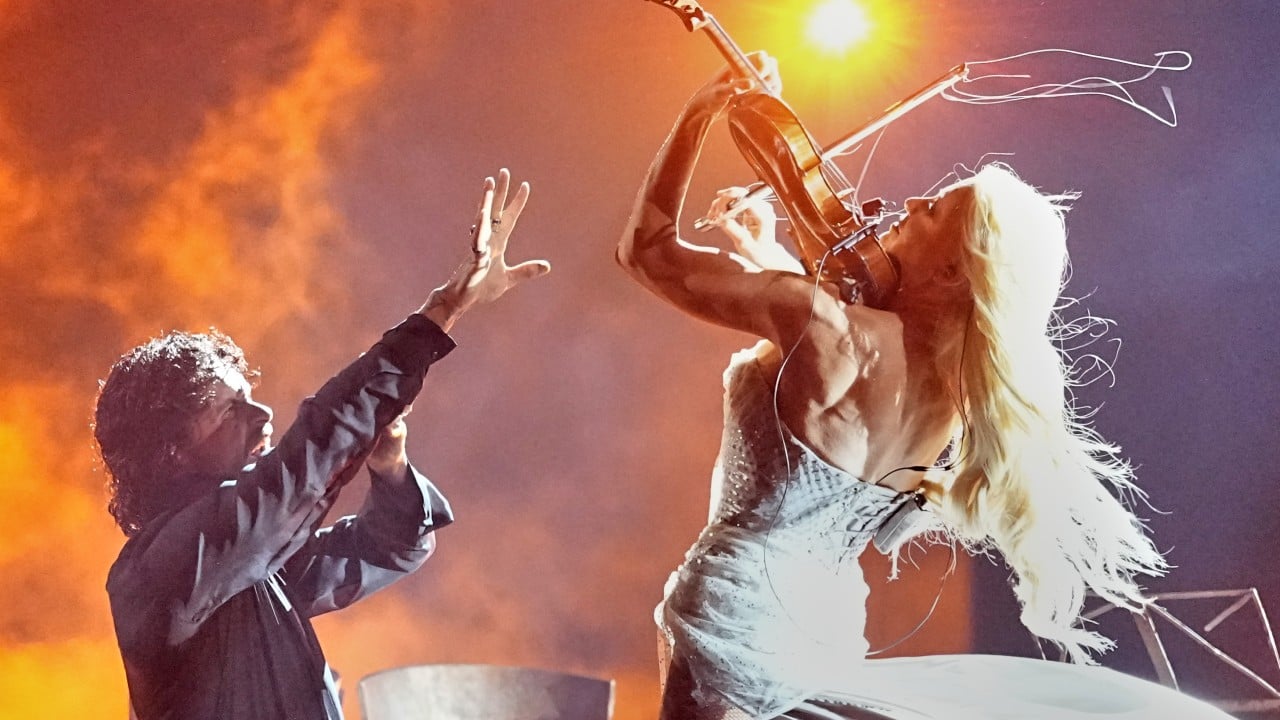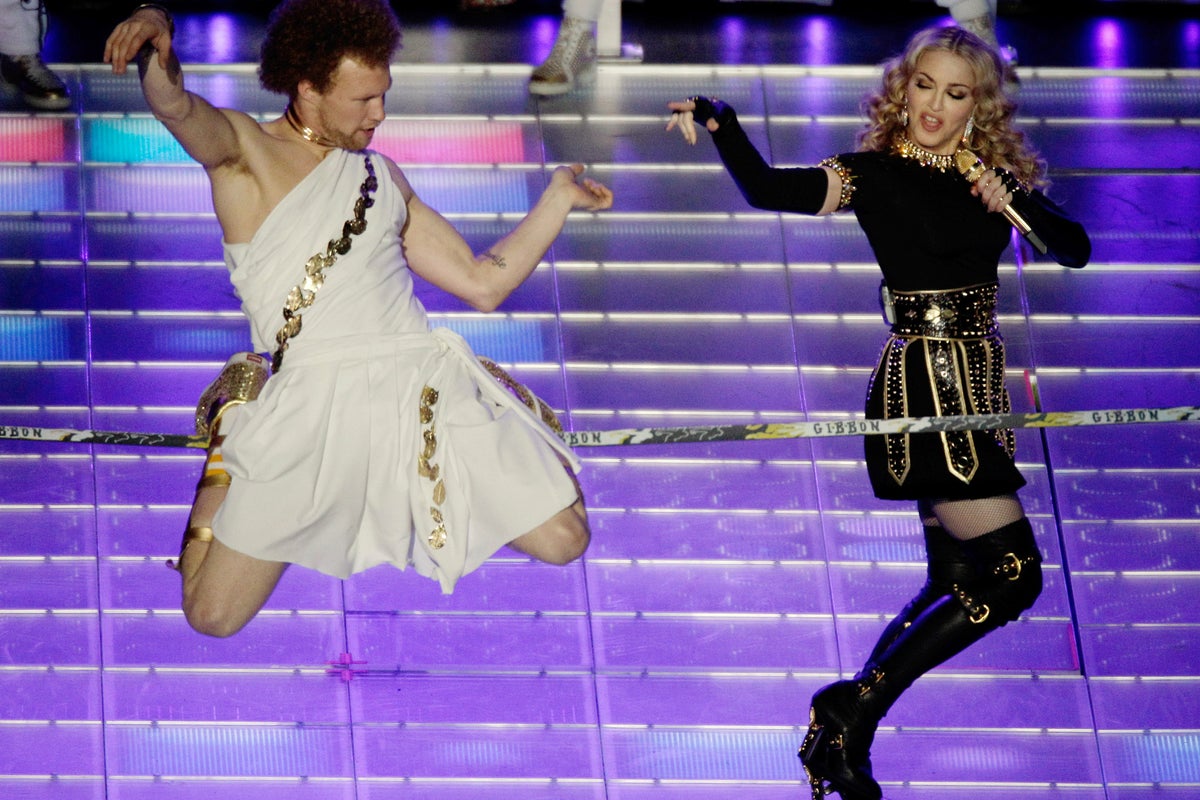
The headlines write themselves with absolute, boring predictability. An extreme athlete dies jumping off a cliff in Utah. Because they once spent four minutes sharing a arena stage with a pop icon, the tragedy is suddenly packaged as a global entertainment event. "Madonna Performer Killed in Tragic Mishap."
This is the lazy consensus of modern news copy: reduce a high-risk pioneer's entire life's dedication down to a celebrity footnote, framing the death as an unspeakable, shocking tragedy that caught everyone by surprise. Meanwhile, you can read related events here: Why Dolly Parton remains the ultimate professional backstage guest.
It is time to dismantle this narrative entirely. The mainstream media's collective hyperventilation over action sports fatalities is structurally dishonest. The shock is fake. The mourning is transactional.
The Footnote Exploitation
The first lie to incinerate is the celebrity connection. Extreme sports athletes do not define their lives by the pop stars who hire them for halftime shows or world tours. To frame a high-level aerialist, slackliner, or skydiver primarily as an appendage to a pop singer's legacy is a cheap insult wrapped in a clickbait bow. To see the full picture, check out the detailed report by Rolling Stone.
I have seen media operations burn millions of dollars chasing the parasocial glow of major celebrities, and this coverage is the bottom of that barrel. The athlete spent thousands of hours mastering fluid dynamics, canopy control, and structural rigging. Yet, to the editor sitting at a metropolitan news desk, that entire existence only gains value because it once intersected with Hollywood royalty.
This framing creates a fundamentally flawed premise. The audience is not mourning the athlete; they are consuming a narrative about the proximity of death to the famous. It is a morbid form of tourist voyeurism.
The Illusion of the Tragic Mishap
The second, more insidious lie is the use of the word "tragedy."
In the pure, logical framework of extreme aviation and gravity sports, death is not a tragedy. It is a known, calculated, and fully accepted line item on the spreadsheet of execution.
Mainstream media treats a BASE jumping fatality like a bizarre lightning strike—a freak occurrence that shouldn't happen in a polite, engineered world. They ask flawed questions: How did this happen? What went wrong? How can we make it safer?
These questions completely miss the mechanics of the sport. Imagine a scenario where a human being decides to exit a solid object at 4,000 feet, relying on a single piece of nylon and a split-second deployment window. The baseline assumption of that activity is lethal failure. The miracle is that the parachute opens at all, not that it occasionally fails to do so.
To call the outcome a "tragedy" implies a broken promise. It implies that the universe owed the jumper a safe landing. It did not. The jumper knew it, the ground crew knew it, and the physics of gravity certainly knew it.
The Brutal Data of the Exit Point
Let's look at actual operational data rather than emotional news scripts. According to historical tracking from the BASE Fatality List (BFL), the activity carries an estimated fatality risk that is orders of magnitude higher than standard skydiving.
Skydiving features built-in redundancies: dual parachutes, automatic activation devices (AADs) that fire if you pass a certain altitude unconscious, and a vast cushion of clean airspace.
BASE jumping strips away every single safety buffer:
- Zero Redundancy: You do not carry a reserve parachute. There is no time to deploy it if the primary fails.
- Object Proximity: The cliff face, building, or tower is right behind you. An asymmetrical opening doesn't just mean a twisted line; it means a 60 mph impact into solid granite.
- Human Error Magnification: A delay of 0.5 seconds in pulling the pilot chute can be the literal difference between an flight and a burial.
When an athlete steps off an exit point in Utah, they are operating in an environment completely devoid of an insurance policy. They are not victims of a cruel twist of fate. They are participants in a binary statistical lottery where they manually rolled the dice.
Stop Trying to Sanitize Risk
The ultimate failure of the public response to these accidents is the immediate, corporate urge to sanitize. People want to fix the sport. They want tighter regulations, mandatory certification systems, or outright bans on public lands.
This bureaucratic instinct is toxic. The entire philosophical engine of extreme exploration is the sovereign right to risk your own life without a nanny state holding your hand. When you eliminate the absolute stakes, you eliminate the art. The athlete did not perform high-consequence stunts because they were safe; they performed them because the presence of absolute consequence demanded a level of human presence that modern, padded society cannot replicate.
The downside to this approach is undeniable: people die. Brilliant, hyper-focused, beautiful people smash into rocks and leave behind broken families. It is messy, horrifying, and permanent.
But pretending that this isn't the explicit bargain is a lie. The competitor's article wants you to feel a safe, distilled version of sadness while eating your breakfast. They want you to think it's a shame a pop star lost a backup performer.
The truth is much colder and far more respectful to the dead: the jumper lived an uncompromising life of total autonomy, played a high-stakes game against gravity, lost the draw, and paid the exact price they signed up for. Leave Madonna out of it. Turn off the fake grief. Respect the exit.