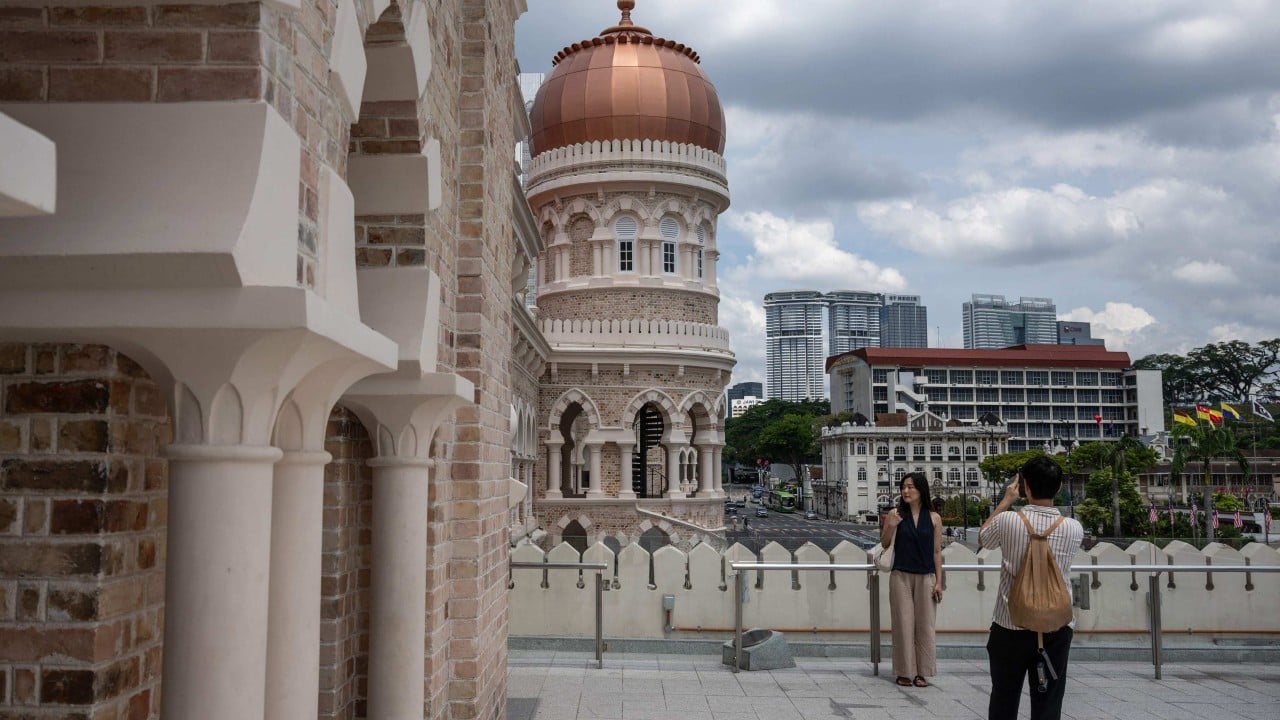
Tourism Malaysia is currently drunk on vanity metrics. The official data for early 2026 shows a massive surge in arrivals, with the country hitting an unprecedented 10.6 million international visitors in the first quarter alone. Flush with this momentum, the Ministry of Tourism, Arts and Culture has set its sights on an aggressive target: enticing seven million Chinese travelers to fuel the Visit Malaysia 2026 campaign.
The industry consensus is loud, uniform, and entirely wrong. Industry operators are celebrating the 871 weekly flights connecting 30 Chinese cities to Kuala Lumpur. Analysts point to the 30-day visa-free policy as a masterstroke of economic diplomacy. Local tour associations boast about how the country's cultural proximity and widespread Mandarin fluency make it an easy win.
They are missing the core economic reality. Chasing raw volume is a fast track to a low-yield, transaction-heavy crisis.
By prioritizing sheer numbers over per-capita spend, Malaysia is turning its back on high-value hospitality. It is turning itself into a cheap, disposable backdrop for short-form video apps.
The Illusion of the Xiaohongshu Economy
The current marketing playbook relies almost entirely on mainland digital algorithms. Tourism boards are celebrating the fact that independent Chinese travelers are discovering lesser-known spots like Putrajaya’s Putra Mosque through applications like Douyin, Weibo, and RedNote.
This is an economic dead end. I have spent years analyzing regional destination marketing campaigns, and I have seen boards blow millions of dollars chasing viral trends only to end up with bankrupt local vendors. This algorithm-driven phenomenon compresses the travel funnel, but it also strips out all the profit.
When a destination goes viral on Xiaohongshu for a specific photo opportunity, it triggers "da-ka" behavior. This is check-in culture, where the goal of the trip is not exploration or premium consumption, but the mere replication of an identical photograph to post online.
Imagine a scenario where thousands of travelers flock to a specific street corner in Penang or a mosque in Putrajaya. They arrive on an impulse booking, facilitated by the frictionless visa-free entry. They take their photos. They buy a single coconut or a cheap plate of street food. Then they catch a ride-share vehicle back to their budget accommodation.
The infrastructure costs borne by the municipality—traffic management, waste disposal, security—far outweigh the meager tax revenue generated by these micro-transactions. This is not a sustainable industry. It is a digital gold rush that leaves behind an exhausted local community and an depleted environment.
The Closed-Loop Payment Trap
The conventional wisdom argues that the rise of digital payment integration across Malaysian retail outlets is a massive win for local businesses. The reality is far more predatory.
When international travelers use highly integrated domestic Chinese platforms to plan, book, navigate, and pay for their trips, the economic yield does not distribute evenly into the local economy. The booking platforms absorb the highest margins. The flights are operated by major carriers. The itineraries are curated by digital agencies based in Shanghai or Shenzhen.
When these travelers arrive on the ground, they use digital wallets tied directly to mainland bank accounts. The currency exchange and transaction fees are captured by overseas fintech giants. Local operators are left competing on a race to the bottom, slashing prices to remain visible on foreign app interfaces.
Data from tourism consultancies like Pear Anderson indicates that while the absolute volume of inbound Chinese visitors has grown by over 20% year-on-year in early 2026, the real economic injection per traveler has fundamentally shifted. The market is increasingly dominated by mid-tier, cost-conscious consumers who prioritize affordability over luxury. By expanding mass-market access, Malaysia is effectively subsidizing low-margin transit tourism while displacing the ultra-wealthy segment that requires exclusivity.
The Durian Cult and Generational Decay
The current strategy highlights "makan-makan" culture and premium fruit tours as prime differentiators. Tour agencies frequently point to older generations seeking heritage tours in Melaka and younger generations heading to Terengganu for diving as evidence of a balanced market.
This segmentation masks a deeper structural flaw. The reliance on seasonal, agricultural gimmicks like durian tourism creates massive, unmanageable spikes in demand followed by prolonged periods of economic inactivity.
Furthermore, the motivations of the younger demographic are fleeting. Unlike the traditional affluent Chinese outbound travelers of the early 2010s—who stayed longer, purchased luxury retail goods, and invested in local real estate—the 2026 traveler is highly volatile. Their loyalty lasts only as long as the current social media algorithm favors the destination. The moment Thailand drops its prices further or Vietnam introduces a shinier coastal resort trend on Douyin, the crowd shifts overnight.
Building an international promotional strategy around the whimsical preferences of short-form video audiences is a high-risk gamble. It forces local hotels and airlines to invest capital into expanding capacity for a demographic that has zero brand loyalty to the nation itself.
+-----------------------------------+-----------------------------------+
| Mass Volume Focus (Current)       | High-Yield Value Focus (Proposed) |
+-----------------------------------+-----------------------------------+
| Target: 7 Million Arrivals        | Target: 2.5 Million High-Spenders |
| Low barriers via mass visa-free   | Premium niche entry marketing     |
| Driven by viral social media apps | Driven by curated luxury agencies |
| High strain on local infrastructure| Low strain, high economic yield   |
| Profits leaked to offshore tech   | Direct retention in local business|
+-----------------------------------+-----------------------------------+
The Friction of Shifting to Premium
Rejecting mass tourism is not without structural pain. Let us be completely honest about the downsides of a high-value contrarian pivot.
If Tourism Malaysia deliberately scales back its mass-market campaigns, air connectivity will take an immediate hit. Airlines cannot sustain 871 weekly flights between Chinese cities and Malaysia on the backs of luxury travelers alone. They need the high seat-load factors provided by mass tour groups and impulse leisure travelers to keep those routes profitable.
A sharp reduction in volume would lead to fewer direct flights, making the country less accessible overall. Local budget hotels, mid-tier restaurants in Bukit Bintang, and independent transport providers would face an immediate contraction in revenue.
However, continuing down the current path means accepting the slow degradation of the destination's premium appeal. You cannot attract high-net-worth individuals to the pristine rainforests of Sabah or the luxury wellness retreats of Langkawi when the airports, transport hubs, and cultural heritage sites are completely overwhelmed by high-volume, low-spend tour groups.
A Radical Blueprint for High-Value Tourism
Malaysia needs to abandon the arbitrary seven-million visitor target and focus entirely on maximizing the yield per arrival. The promotional strategy must pivot away from mass visibility and toward targeted, exclusive acquisition.
First, dismantle the reliance on mass cultural festivals as primary tourism drivers. Stop spending public funds on sprawling international sales missions that pitch the country as a cheap, all-inclusive wonderland.
Instead, divert those resources into high-end sector growth:
- Pristine Eco-Luxury Exclusivity: Restrict access to fragile marine environments in Sabah and Sarawak. Implement high environmental entry fees and cap visitor numbers, mimicking the high-yield models of countries like Bhutan or the Galapagos. Transition these locations into ultra-luxury eco-resorts tailored for wealthy travelers willing to pay a premium for isolation and conservation.
- Targeted Medical and Wellness Residency: Expand the focus on medical tourism, which already carries a high reputational status in the Asia-Pacific region. Market long-term medical, elective, and wellness packages to affluent urban professionals from tier-one Chinese cities. These visitors stay for weeks rather than days, utilize high-end private healthcare infrastructure, and spend significantly more than the average holidaymaker.
- De-escalating the Visa War: While the current visa-free regime facilitates quick entry, it should be paired with premium fast-track tiers. Introduce paid, high-tier travel passes that grant wealthy visitors expedited customs processing, access to private airport lounges, and curated local guides.
The goal should not be to make Malaysia the easiest country to enter for millions of weekend travelers. The goal must be to make it the most rewarding destination for those who are willing to invest serious capital into their travel experiences.
Stop measuring success by the length of the lines at immigration checkpoints. Start measuring it by the profitability and resilience of the local businesses left behind when the tourists fly home.