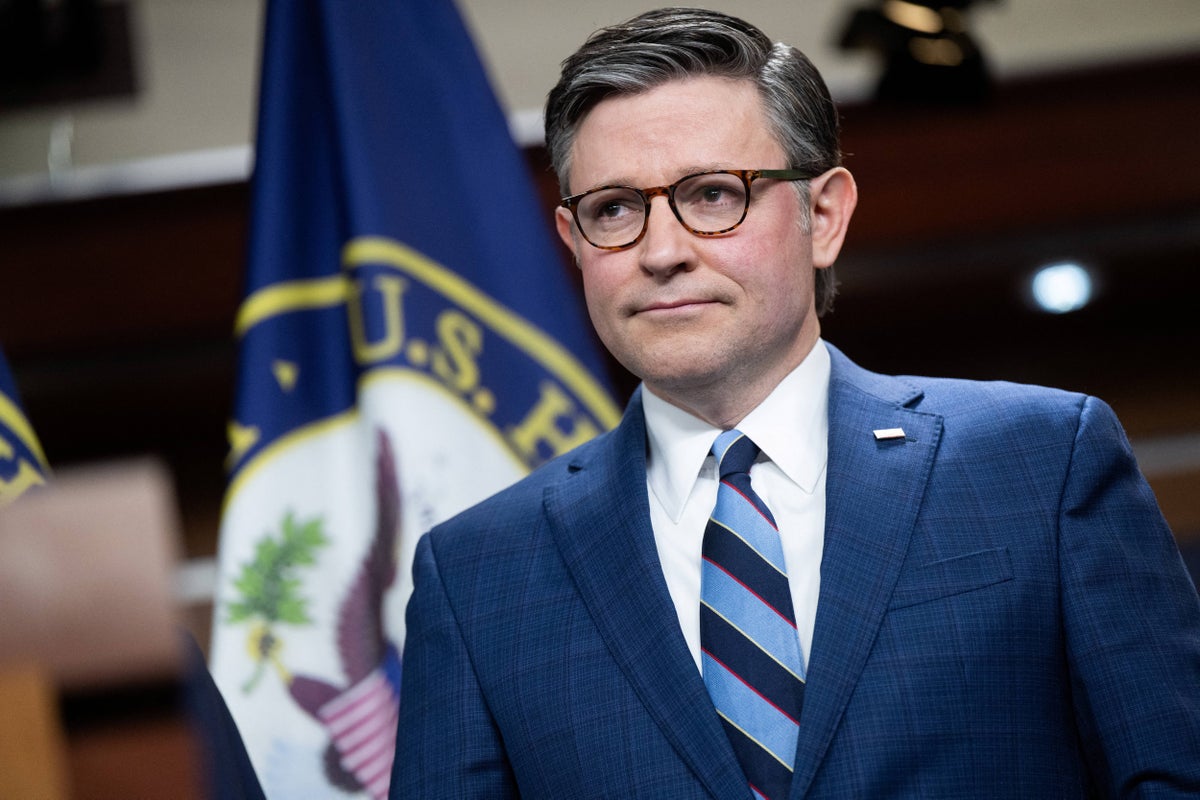
The media breathlessly reports that Capitol Hill just saved the country from a catastrophic government shutdown by passing a continuing resolution. Pundits exhale. Markets sigh with relief. Everyone high-fives over another temporary patch designed to push the fiscal football down the road until December.
It is a masterclass in political cowardice disguised as statesmanship. Meanwhile, you can explore other stories here: Structural Asymmetry in Sanction Regimes Power Mechanics Governing Ottawa and Tehran.
The lazy consensus claims that avoiding a shutdown right before midterm elections is a win for stability. That is complete nonsense. Continuing resolutions do not solve fiscal dysfunction; they weaponize it. They institutionalize a permanent state of emergency management where actual governance dies and political theater reigns supreme.
The Continuing Resolution Myth
Every time Congress passes a stopgap funding bill, the press frames it as an averted disaster. Let us look at the actual data. Since when did doing the bare minimum job required by basic statutory obligations become a profile in courage? To understand the complete picture, check out the excellent report by Al Jazeera.
Congress has twelve distinct appropriations bills to pass every single fiscal year. They are supposed to debate them, amend them, and pass them transparently. Instead, leadership relies on omnibus packages and stopgap continuing resolutions that freeze spending at previous levels, bypass committee oversight, and ignore the ballooning national debt.
When the House passes a bill to extend funding into December, they are not preventing chaos. They are scheduling it. They are deliberately creating a high-stakes, pre-holiday fiscal cliff where lawmakers return from an election cycle exhausted, distracted, and ready to jam a trillion-dollar package through without reading it.
Why Politicians Love the Shutdown Threat
Imagine a scenario where a corporate CEO tells the board of directors that instead of managing the operational budget, they will simply threaten to lock the doors every three months unless everyone agrees to a temporary extension. That CEO would be fired before lunch.
In Washington, that behavior is rewarded with C-SPAN coverage.
The threat of a government shutdown is a manufactured crisis. Both parties use it as a political cudgel. Leadership loves continuing resolutions because they concentrate power in the hands of a few top negotiators behind closed doors. Rank-and-file members are handed a thousand-page document hours before a vote and told to swallow it or take the blame for closing national parks.
Passing a stopgap bill to dodge an election-season PR disaster proves that politicians care more about their own job security than structural fiscal health. The $40 trillion national debt continues to compound while Washington plays tactical games with arbitrary deadlines.
The Real Cost of Fiscal Punting
Kicking the can down the road carries a massive operational tax on federal agencies. When funding is locked into short-term extensions, long-term projects stall, federal contractors price in administrative risk, and strategic planning becomes impossible.
Agencies cannot launch new initiatives or wind down redundant programs because they are perpetually living paycheck to paycheck on temporary appropriations. The real victim of this continuous funding drama is efficient public administration.
Stop pretending that passing a continuing resolution is a victory. It is an admission of failure. It is lawmakers waving a white flag at the budget process and conceding that they are utterly incapable of doing the job they were elected to do.
Tear up the stopgap playbook. Force the recorded votes on the actual appropriations bills. Let the government shut down for a week if it means breaking an addiction to fiscal cowardice.