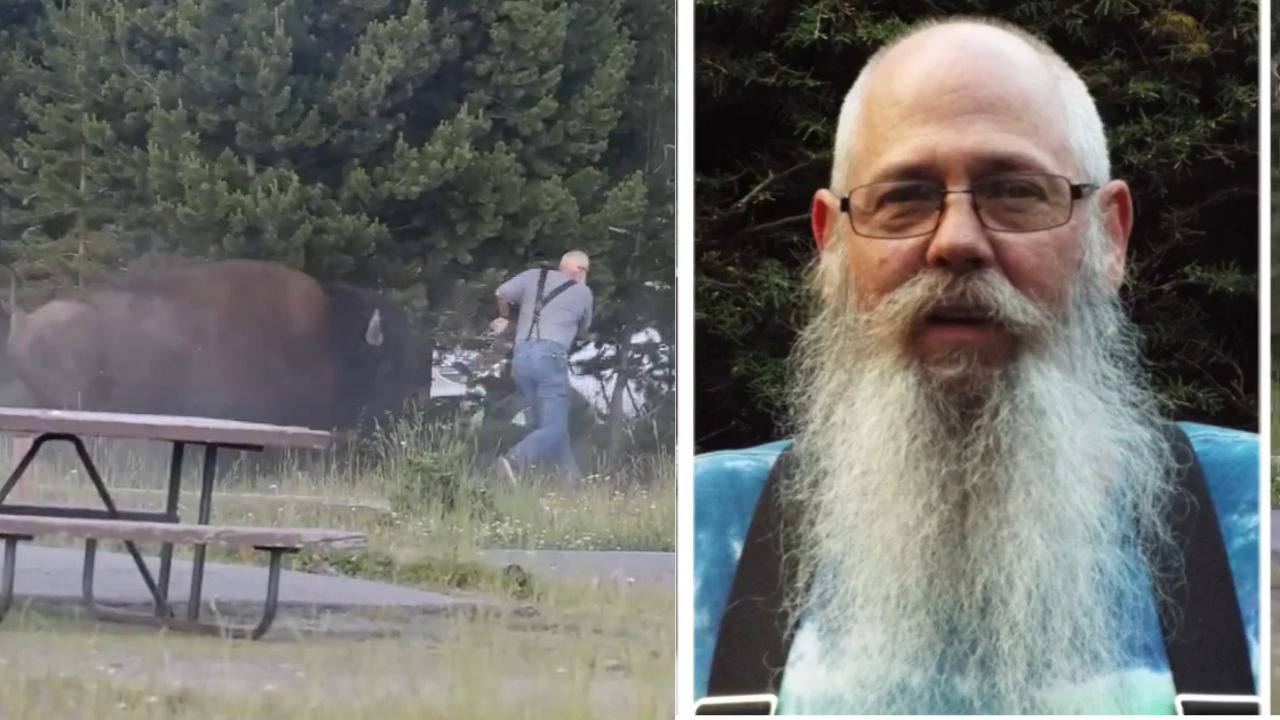
Every summer, the headline repeats like clockwork. A tourist gets too close to a bison in Yellowstone, the animal defends its perimeter, and the human gets tossed into the air like a ragdoll.
The media immediately spins a narrative of "wild nature out of control" or cycles through standard-issue scolding about park safety rules. The lazy consensus focuses entirely on the physical distance between a selfie stick and a two-ton mammal.
They are missing the entire point.
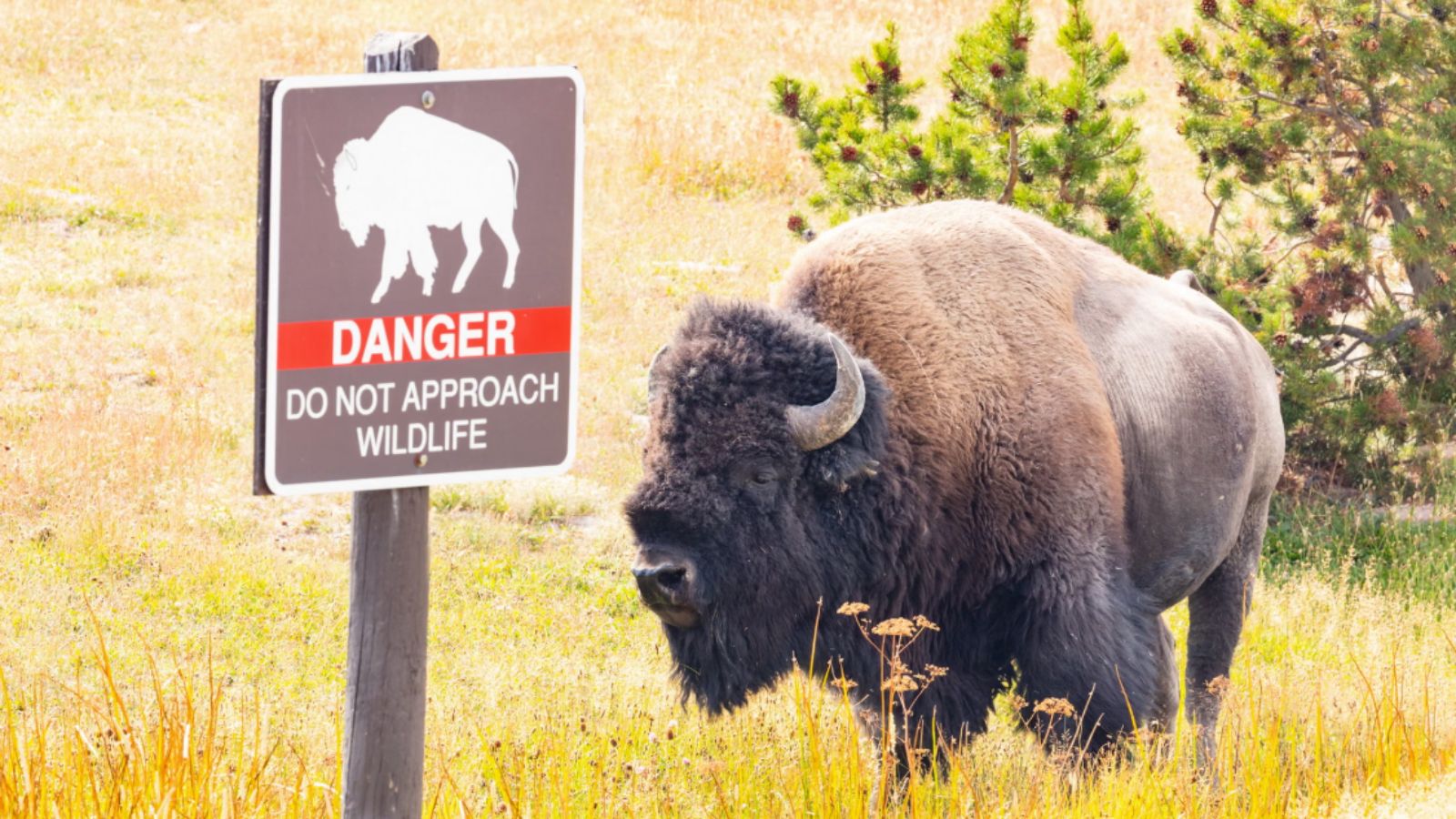
These incidents are not isolated lapses in judgment by individual bad actors. They are the logical, inevitable result of a travel industry that packages the natural world as a theme park, stripping travelers of their instinct for risk and replacing it with a thirst for digital validation. The problem isn’t a lack of signage. The problem is a fundamental delusion about what wildness actually means.
The Disneyfication of the American Wilderness
National parks were conceived as preserves, but they are marketed as attractions.
When you create a infrastructure complete with paved boardwalks, gift shops, and manicured viewing platforms, you prime the human brain to expect a controlled environment. The average tourist steps out of an air-conditioned SUV and sub-consciously categorizes a national park alongside Universal Studios. They assume that if an animal were truly dangerous, it wouldn’t be allowed near the path.
I have spent fifteen years tracking wildlife behavior and consulting on eco-tourism management. The shift in human psychology over the last decade is stark. People no longer look at a bison, a bear, or an elk with the ancient, hardwired respect that kept our ancestors alive. They look at them as content.
- The Illusion of Safety: Paved trails create a false sense of security.
- The Screen Buffer: Viewing an apex predator through a smartphone screen creates a psychological disconnect, masking the physical reality of the situation.
- The Commodity Mindset: Paying an entrance fee makes visitors feel entitled to an interaction.
When a bison charges, it is not being aggressive; it is communicating. It gave plenty of warnings—tail raised, head shaking, pawing the ground. The media calls these events "attacks." A more accurate term would be "abrupt reality checks."
Dismantling the Failed Logic of "Awareness Campaigns"
Every time an incident occurs, the public relations machine kicks into gear. Park services print more brochures, post more tweets, and install bigger signs.
It does not work. It will never work.
The premise that people lack information is flawed. A tourist standing ten feet from a bison does not need a pamphlet to know the animal is large and powerful. They know. They simply believe they are the main character in a movie where nothing bad can happen to them.
"True risk mitigation cannot coexist with a culture that prioritizes frictionless consumption."
If the travel industry actually wanted to stop these incidents, they would stop sanitizing the experience. They would lean into the friction.
Why Your Current Travel Mindset is Flawed
If you think planning a trip to a wilderness area is about checking boxes on an itinerary, you are doing it wrong. The obsession with optimized travel has ruined the actual experience of being in nature.
People ask: "How do I get the best view of the wildlife?"
The honest answer: Use a telephoto lens from two hundred yards away, or stay in your car.
But that answer doesn't satisfy the modern urge for proximity. The travel industry has conditioned you to demand intimacy with things that want to be left alone.
The Economics of the Selfie Eco-System
Let’s look at the real driver of this behavior: social currency.
A photo of a bison from a safe, respectful distance looks exactly like a photo from a textbook. It has zero value on a social feed. But a photo where the animal fills the frame, proving you stood on the edge of danger? That is the currency that drives modern tourism.
The travel sector thrives on this loop. Content creators post high-risk, high-reward imagery, tourism boards amplify it to drive bookings, and the average traveler arrives with a distorted expectation of what their trip should look like.
When things go wrong, the industry blames the individual. They call them "clueless." It’s a convenient scapegoat that shields the broader system from scrutiny. The individual isn't rogue; they are just following the incentives the system created.
Restoring the Boundary
We do not need more warning signs. We need a complete overhaul of how we approach the wild.
If you cannot appreciate an ecosystem without standing on top of it, you do not belong there. The solution isn't to manage the animals more tightly or build higher fences. The solution is to reintroduce the concept of consequence into the travel experience.
Pack your bags, buy your tickets, and head out into the world. But leave the theme-park mentality at home. Nature owes you nothing, least of all a good photo. If you forget that, the correction will be swift, heavy, and entirely justified.