When a multi-billion-dollar automaker decides to offload an entire assembly plant to a defense contractor instead of building cars, alarm bells should ring across the entire manufacturing sector. That is precisely what happened with the Stellantis facility in Brampton, Ontario.
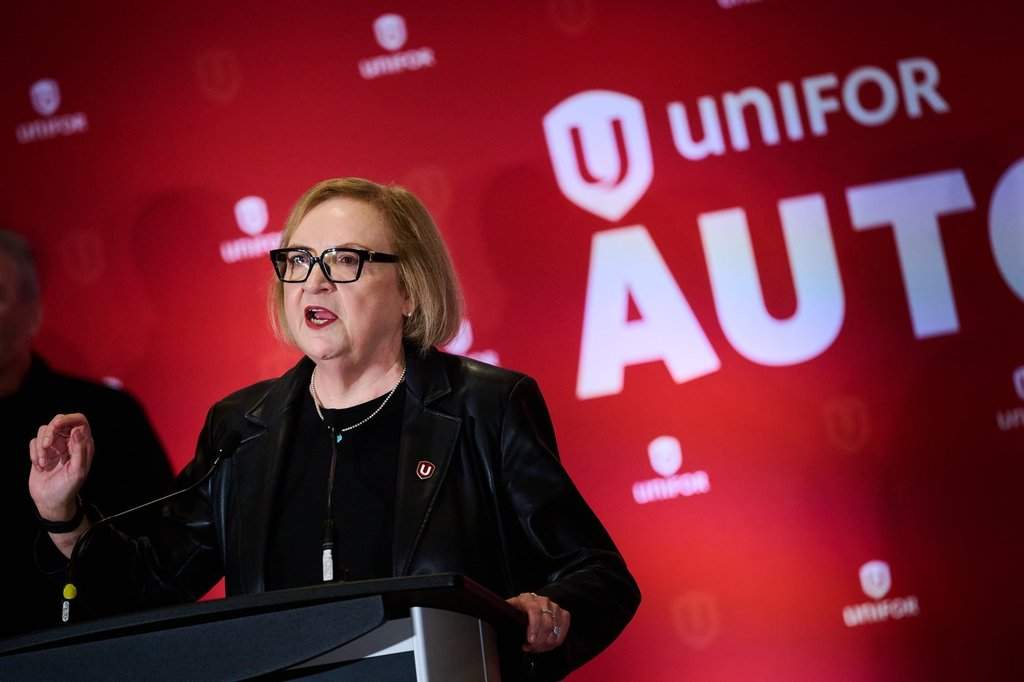
Unifor members didn't hesitate when faced with this corporate pivot, delivering a staggering 97.3% strike mandate. They understand what is at stake. When vehicle production stops and factory walls get handed over to build armored tactical vehicles, good-paying assembly jobs vanish into thin air.
Let's look at why this dispute matters way beyond the borders of Ontario.
The Real Story Behind the Brampton Facility Shutdown
The writing has been on the wall for a while. The historic Brampton plant finished rolling out the last of its traditional muscle cars back in late 2023. The original plan promised a multi-million-dollar retooling to build the next-generation Jeep Compass. Workers waited, accepted layoffs, and trusted the corporate roadmap.
Then the corporate strategy shifted. Stellantis paused the Compass project, relocated production elsewhere, and quietly pursued a deal to sell the massive site to Roshel, an armored vehicle manufacturer.
For the roughly 9,000 Unifor-represented workers under the broader Stellantis umbrella in Canada, this move felt like an outright betrayal. Ottawa poured massive public subsidies into these facilities to secure vehicle manufacturing footprints, not to subsidize real estate exits or corporate retreats.
Why a Strike Mandate Is the Ultimate Leverage
Corporate boardrooms love to talk about global market pressures, supply chain volatility, and shifting trade policies. They use these buzzwords to justify walking away from multi-year commitments made to local workforces.
A strike mandate changes the math instantly. It forces executives to realize that assembly lines in other regions—like Windsor—can and will feel the friction if management acts in bad faith.
Unions don't call strike votes lightly. Walking picket lines is brutal, expensive, and stressful for families. But when a company breaks a collective understanding about where future vehicles will be built, workers have zero incentive to sit quietly. The overwhelming vote in favor of job action proves that the rank-and-file are done accepting unilateral corporate restructuring.
<Carousel>
  <Video source="youtube" query="Stellantis Brampton plant union strike news" count="1"/>
</Carousel>
The Broader Fallout for Government Subsidies and Taxpayers
Taxpayers have every right to be furious about how this is playing out. Governments hand over massive public funds under the explicit condition that automakers protect domestic manufacturing jobs. When those plans evaporate, clawing back that money turns into a messy legal war.
Federal and provincial leaders are threatening legal action and demanding hundreds of millions in default penalties, but lawsuits take years to wind through courts. Meanwhile, workers face prolonged uncertainty, reduced pay packages while on layoff status, and the agonizing realization that their home plant might never build another passenger car.
This standoff exposes a glaring flaw in how governments negotiate with multinational corporations. Handing over cash incentives without ironclad, penalty-heavy guarantees of long-term production leaves local economies completely vulnerable to sudden boardroom pivots.
What Comes Next for Auto Manufacturing
The showdown in Brampton sets a dangerous precedent. If major automakers can simply pivot away from electric vehicle transitions, abandon retooled plants, and sell them off to outside industries without severe repercussions, other facilities could easily face the exact same fate.
Workers are drawing a hard line. Protecting manufacturing sovereignty means refusing to let factories quietly disappear under the guise of corporate efficiency. If automakers want access to stable North American markets and lucrative government support, they have to honor the people who actually build the products.
Keep a close eye on how this resolution shapes upcoming bargaining tables. The outcome here will dictate whether auto unions can actually block backroom sales or if manufacturers will keep treating assembly plants like disposable assets.