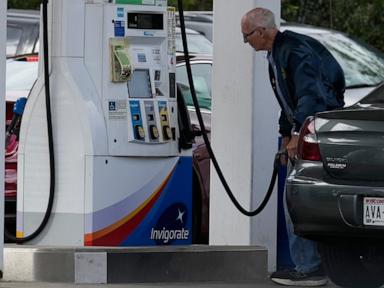
Record-high fuel costs don't just drain wallets; they rewrite election playbooks overnight. When drivers see numbers climbing past four or five dollars a gallon at the local pump, panic sets in. State leaders know it, and as the midterm elections loom, governors and legislatures are scrambling to prove they're doing something about it.
Across the country, a third of U.S. states have rolled out fuel tax holidays, suspended diesel regulations, or altered seasonal fuel requirements. It looks like fast political relief, but the mechanics behind these cuts are messier than politicians care to admit. Let's look at why this is happening now, who actually benefits, and whether saving a few cents a gallon makes any real dent in your budget. Meanwhile, you can find similar events here: Why Blaming Crumbling Infrastructure Hides The Real Danger.
The Midterm Panic and the Push for Pump Relief
High gas prices are toxic for incumbents. When everyday expenses spiral due to geopolitical conflicts and supply shocks, voters take their frustration straight to the ballot box. Lawmakers from both parties realize that inaction equals an electoral disaster.
Look at what happened in Ohio, where political pressure boiled over into a legislative scramble. Leaders rushed to suspend the state's hefty gasoline and diesel taxes through the end of the year. Similar drama played out elsewhere. Georgia extended its long-running motor fuel tax suspension, while states like Utah and Indiana implemented their own temporary price breaks. To explore the bigger picture, check out the recent article by The New York Times.
It's a classic political fire drill. When voters are angry about filling up their tanks, handing them a temporary tax break is an easy way to grab headlines and change the conversation before election day.
Beyond Gasoline: Why Agriculture and Diesel Regulations Got Dragged In
Gasoline gets the flashy media coverage, but diesel drives the actual economy. When diesel prices hit record highs, the cost of moving goods, shipping packages, and harvesting crops skyrockets.
To keep grocery store shelves from emptying out completely, governors in states like Texas, Missouri, Nebraska, and Alabama took executive action. They temporarily waived enforcement on dyed diesel rules. Normally, this tax-exempt fuel is strictly reserved for off-road farm equipment, tractors, and logging machinery. By allowing farmers to run it in highway transport trucks during harvest season, states tried to clamp down on soaring transportation costs.
Meanwhile, states like California faced a different kind of regulatory headache. With environmental standards forcing specific fuel blends, governors used emergency executive powers to permit cheaper winter-blended fuels earlier than scheduled, shaving cents off the price per gallon.
Do Gas Tax Holidays Actually Work for Drivers?
Here is where the political promise collides with economic reality. You pull up to the station expecting an immediate drop matching the announced tax cut, but the pump price barely moves. Why?
For starters, fuel taxes are usually levied at the wholesale level, not directly at the retail pump. Gas stations still have underground tanks filled with fuel they already purchased at the higher, taxed rate. They have to clear that inventory before buying cheap, untaxed product.
Supply volatility also plays a massive role. If global oil prices jump ten cents on the exact day a state cuts its five-cent tax, you won't see savings at all. The market simply swallows the difference. Experts at convenience store associations point out that the supply chain is too complex for instant, linear savings. Critics call these tax holidays a gimmick that starves highway maintenance funds while offering minimal relief to the actual consumer.
What Happens When the Breaks Run Out?
Temporary tax suspensions have an expiration date, and that date usually lands right after the midterms pass. Once those executive orders expire, states face a harsh fiscal hangover. Roads, bridges, and infrastructure projects rely heavily on those exact fuel tax revenues to stay funded.
When the temporary holidays lapse, drivers will likely face a double whammy: returning pump prices and politicians looking for new ways to patch holes in state budgets. If you're counting on government intervention to keep your commute affordable long-term, don't hold your breath.