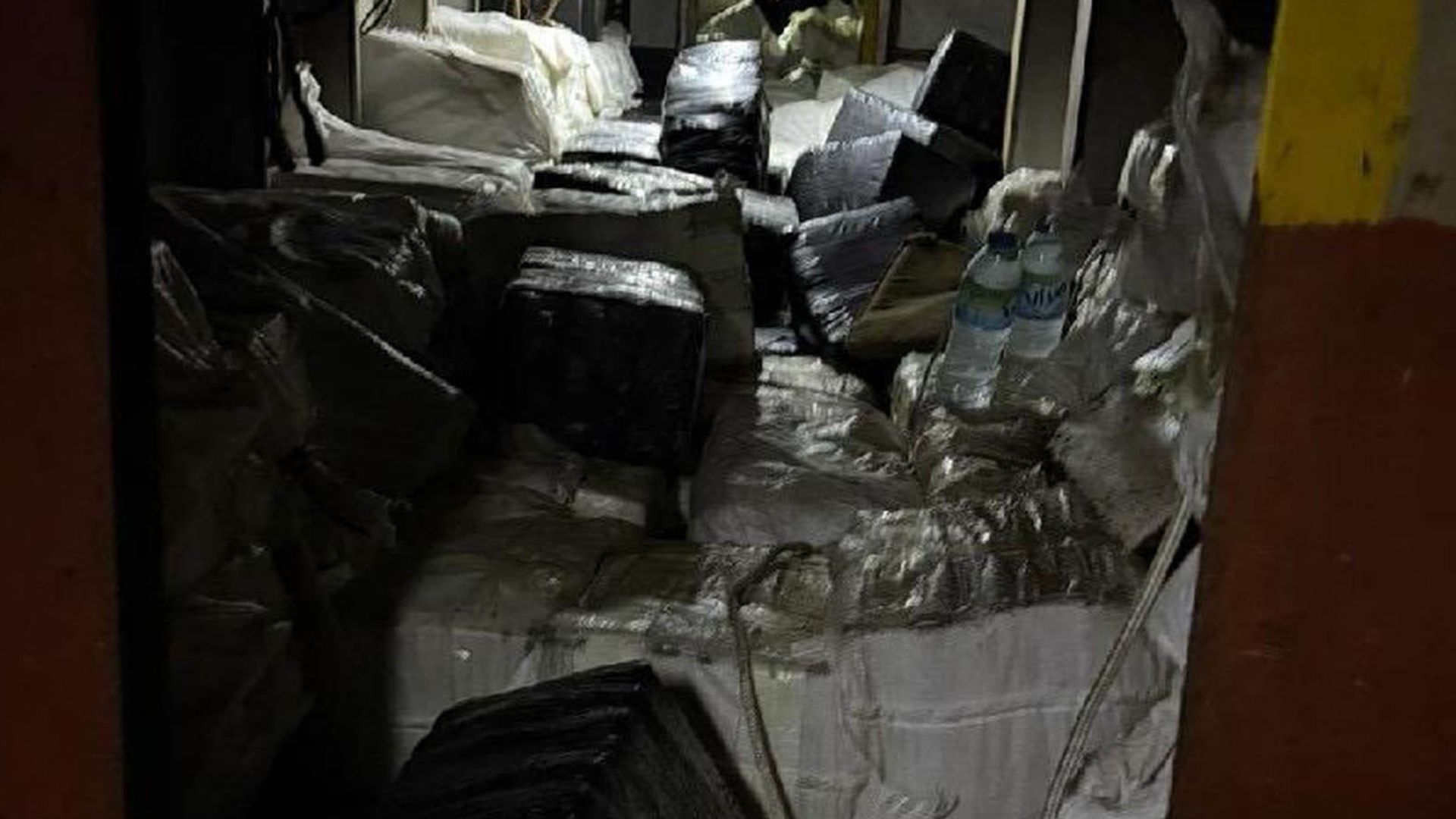
Spain just set another grim record. For anyone keeping track of the European drug trade, the port of Algeciras has become the undisputed heavyweight champion of massive narcotics busts. This isn't just about a few kilograms stashed in a suitcase. We’re talking about 13 tonnes of cocaine found in a single shipment—a haul so large it effectively rewrites the history of Spanish drug enforcement.
If you're wondering why this keeps happening, look at the map. Spain’s geography and its historic colonial ties to Latin America make it the most logical "front door" for the global cocaine trade. Criminal organizations aren't even trying to be subtle anymore. They're moving product in volumes that would make legitimate Fortune 500 companies jealous.
The Algeciras Connection
In October 2024, Spanish authorities intercepted a container ship arriving from Guayaquil, Ecuador. On paper, it was a routine shipment of bananas destined for an agricultural firm in Alicante. In reality, it was a floating warehouse for $800 million worth of cocaine. This 13-tonne seizure didn't just beat the previous record; it absolutely demolished it. Just a year earlier, in August 2023, police thought they’d hit the ceiling when they found 9.5 tonnes in the same port.
The logistics behind these shipments are staggering. This latest haul was hidden behind a literal "screen" of actual fruit. Once you got past the first few layers of legitimate bananas, you found thousands of identical boxes packed with high-purity bricks of cocaine.
Why Ecuador is the New Ground Zero
It’s no accident these shipments keep coming from Guayaquil. While Colombia used to be the name everyone associated with the trade, Ecuador has been transformed into a logistics hub for the cartels. The country’s massive fruit export industry provides the perfect "white" cover for "black" cargo.
- Logistics: Ecuador exports more bananas than anyone else on Earth.
- Volume: When you ship 40 containers a month, hiding one "contaminated" box is a numbers game.
- Infrastructure: Ports like Guayaquil have the high-speed loading systems required for perishable fruit, which also helps move drugs before they can be thoroughly inspected.
The Symbols and the Syndicates
When the police cracked open the 2023 shipment of 9.5 tonnes, they found something chilling. The bricks weren't just plain white packages. They were branded with over 30 different logos, including swastikas and the name "Hitler."
These aren't political statements. They're shipping labels.
Each logo represents a different European criminal "customer" who had pre-ordered a piece of the pie. It’s basically a dark-market version of Amazon Logistics. One massive shipment arrives, and it’s immediately broken down and distributed to gangs in the UK, France, Germany, and beyond. This tells us the cartels are no longer selling to one middleman. They’re acting as a consolidated delivery service for every major syndicate in Europe.
The Problem with "Bananas as Cover"
The drug trade loves the fruit business. Bananas are perfect because they're "hot" cargo—they ripen and rot quickly. Port officials are under immense pressure to move these containers through customs as fast as possible. If a customs officer stalls a shipment for three days of deep inspection and finds nothing, they’ve just cost a legitimate business millions in ruined produce. The traffickers count on this urgency to bypass the "Medusa" scanners and physical inspections.
A System Under Immense Pressure
Honestly, the Spanish police are playing an impossible game of whack-a-mole. While a 13-tonne bust looks great on a press release, it’s often just the tip of the iceberg. Industry experts suggest that for every container caught, dozens more likely slip through unnoticed.
The sheer scale of the money involved—hundreds of millions of euros in a single box—means the cartels can afford to lose a 13-tonne shipment occasionally. It’s just the "cost of doing business." When you realize that the 2024 bust was linked to an importing company that had been receiving legitimate fruit for years, you see how deep the infiltration goes. They build "clean" histories for years just to burn it all on one massive payday.
What This Means for European Security
This isn't just a Spanish problem. Most of that cocaine was destined for the rest of the continent. The violence currently rocking cities like Antwerp and Rotterdam is directly tied to the shipments arriving in Algeciras. When 13 tonnes go missing, people in the underworld start looking for someone to blame.
The Spanish authorities have stepped up their game with the "Southern Plan," a dedicated task force aimed at the Campo de Gibraltar region. They’re using better scanners and deeper intelligence sharing with Ecuadorian police. But as long as the demand in Europe remains at record highs, the supply will find a way through.
Staying Informed on Global Narcotics Trends
If you want to understand where the drug war is headed, stop looking at small-time street busts and start looking at the ports. The battle is being fought in shipping manifests and refrigerated containers.
- Follow the Ports: Keep an eye on Algeciras, Vigo, and Valencia. These are the three main gates.
- Watch the Source: The political situation in Ecuador directly impacts the volume of drugs reaching European shores.
- Understand the Logos: The "branding" on drug bricks is one of the best ways for Europol to track which gangs are cooperating.
The 13-tonne bust in Algeciras is a wake-up call. It shows that the cartels have reached a level of industrial-scale operation that was unthinkable a decade ago. It’s not a "war on drugs" anymore; it’s a war on global logistics.


