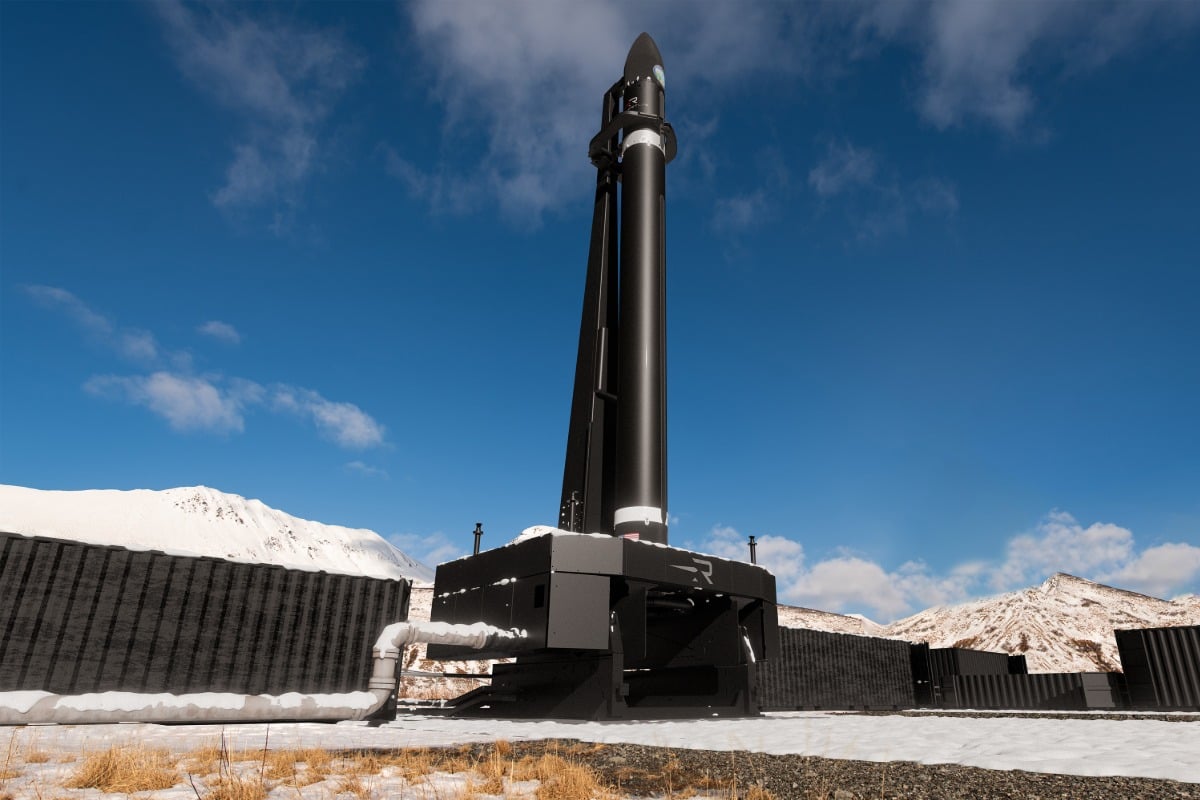
The U.S. Space Force just dropped $266 million on Rocket Lab for a dozen suborbital launches, marking the aerospace company's largest contract to date. If you've been watching how the military handles defense procurement lately, this deal shouldn't shock you at all. The Department of Defense wants speed, high-frequency launch capacity, and constant iteration over old-school bureaucracy.
Space Systems Command awarded the firm-fixed-price agreement through its Rocket Systems Launch Program. Under the terms, Rocket Lab will fly 12 suborbital vehicles, with options for six more. Operations run through December 2028. Most of these flights will lift off from a new facility at the Pacific Spaceport Complex in Kodiak, Alaska, adding to the company's existing pads in New Zealand and Virginia.
What This Deal Actually Means for Missile Testing
Testing missile defense systems requires high-frequency flight data. You can't just run computer simulations and hope for the best. You need real hardware flying through actual hypersonic test conditions. That is where Rocket Lab's HASTE vehicle comes into play.
Derived from their reliable Electron small rocket, the Hypersonic Accelerator Suborbital Test Electron gives defense agencies a dedicated testbed. Instead of waiting years for specialized government infrastructure, the military relies on commercial cadence. Rocket Lab CEO Peter Beck put it bluntly when talking about the award: cadence and rapid execution are everything when trying to mature national security tech.
The first launch under this new contract is scheduled to happen no earlier than late 2026. The Space Force already obligated $112 million in fiscal 2025 research and development funds right out of the gate. They want work started immediately.
Why the Military Prefers Commercial Providers
Traditional defense contractors used to take decades and billions of dollars to build dedicated launch infrastructure. That model is dead. Modern defense strategy demands agile commercial players who already have rockets flying regularly.
- Speed of execution: Commercial providers test hardware continuously instead of waiting for massive multi-year review cycles.
- Cost predictability: Firm-fixed-price contracts shift the cost risk onto the manufacturer, giving the government hard budget caps.
- Geographic flexibility: Spreading out launch sites like the new pad in Alaska ensures redundancy if one location faces weather or logistical delays.
Rocket Lab beat out competing bids by proving they can handle tight turnaround times. Earlier this year, they executed a responsive space mission for the Space Force in a matter of hours. That kind of responsiveness wins major defense dollars.
The Broader Industry Impact
This $266 million award solidifies Rocket Lab's pivot from a pure commercial small-sat launcher into an essential defense partner. They aren't just launching weather satellites or commercial payloads anymore. They are a core pillar of U.S. national security infrastructure.
If you are tracking aerospace trends, keep an eye on how quickly these Alaska launches ramp up. The clock is ticking toward the late 2026 target, and the pressure is on to deliver reliable flight data without skipping a beat.