Mass violence shatters communities in ways that statistics never quite capture. When eleven people lost their lives in a targeted home
Why the Durban House Massacre Exposes South Africa's Deepening Crisis
news
Eleven people shot dead inside a residential home in South Africa. That is the grim reality that gripped Durban's Umlazi township, leaving the entire nation reeling in profound shock and grief. Violence on this scale shocks even a country tragically accustomed to high crime rates. When a tragedy like this strikes, it forces a hard look at the structural failures plaguing local security.
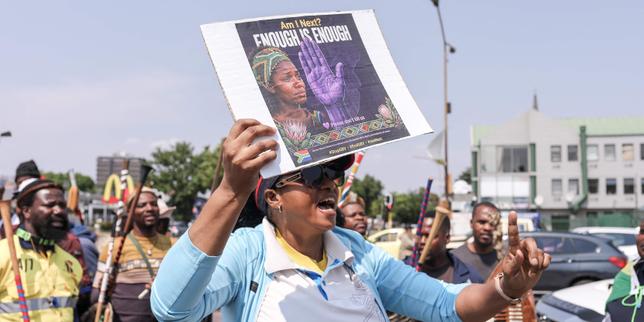
Let's look at what actually happened. Armed assailants stormed a house in the Umlazi area of Durban. They opened fire indiscriminately, executing eleven victims inside the dwelling. Police units scrambled to the scene, launching massive manhunts and forensic sweeps. Local communities reacted with immediate outrage and devastation. Political leaders issued statements condemning the carnage, describing the country as being in a state of mourning.
Yet, statements and mourning don't stop bullets. South Africa faces a violent crime epidemic that ordinary policing struggles to contain.
The Reality of Mass Shootings in South African Townships
Mass shootings are rising across South African urban townships. Places like Umlazi, Khayelitsha, and Mitchells Plain frequently witness high-casualty incidents. Organized crime syndicates, turf wars, extortion rings, and illegal firearm proliferation fuel this bloodshed.
When you examine these mass casualty events, clear patterns emerge.
- Police response times in dense townships remain severely constrained by infrastructure and staffing shortages.
- Illegal firearms flood the black market, often tracing back to corrupt state stockpiles or cross-border smuggling.
- Intelligence-led policing often reacts to violence rather than preempting it.
Citizens live in perpetual fear. Iron security gates, burglar bars, and private armed response teams define modern suburban and township living. But when criminals target homes with military-grade precision, home defenses fail.
Why Traditional Policing Fails to Protect Communities
South Africa's police service operates under immense strain. Officers face dangerous conditions, low morale, and systemic corruption. In high-density areas, police-to-population ratios fall dangerously short of international standards.
If you rely solely on standard reactive policing, you lose the battle. Criminal syndicates operate with impunity because intelligence gathering is weak. Investigators struggle to build airtight cases that withstand court scrutiny due to compromised crime scenes and terrified witnesses who refuse to testify. Fear silences communities. When witnesses know police protection is unreliable, silence becomes a survival strategy.
Fixing this requires radical shifts.
What Must Change Now
Politicians always promise crackdowns after a massacre. They deploy tactical units, make high-profile visits, and vow justice. Within weeks, attention shifts, and the underlying conditions remain unchanged.
Real transformation demands dismantling the illegal gun trade at its source. It requires cleaning up corruption within law enforcement agencies where weapons sometimes find their way back onto the streets. Community-police forums need actual resources, not just empty consultations. Furthermore, socio-economic desperation fuels the gang recruitment pipelines that feed these syndicates. Young men join gangs because legitimate economic survival feels impossible.
South Africa stands at a crossroads. The grief following the Durban massacre is real, but grief without systemic reform guarantees that the next tragedy is only a matter of time. The country deserves safety, not just statements of shock.