Choking.
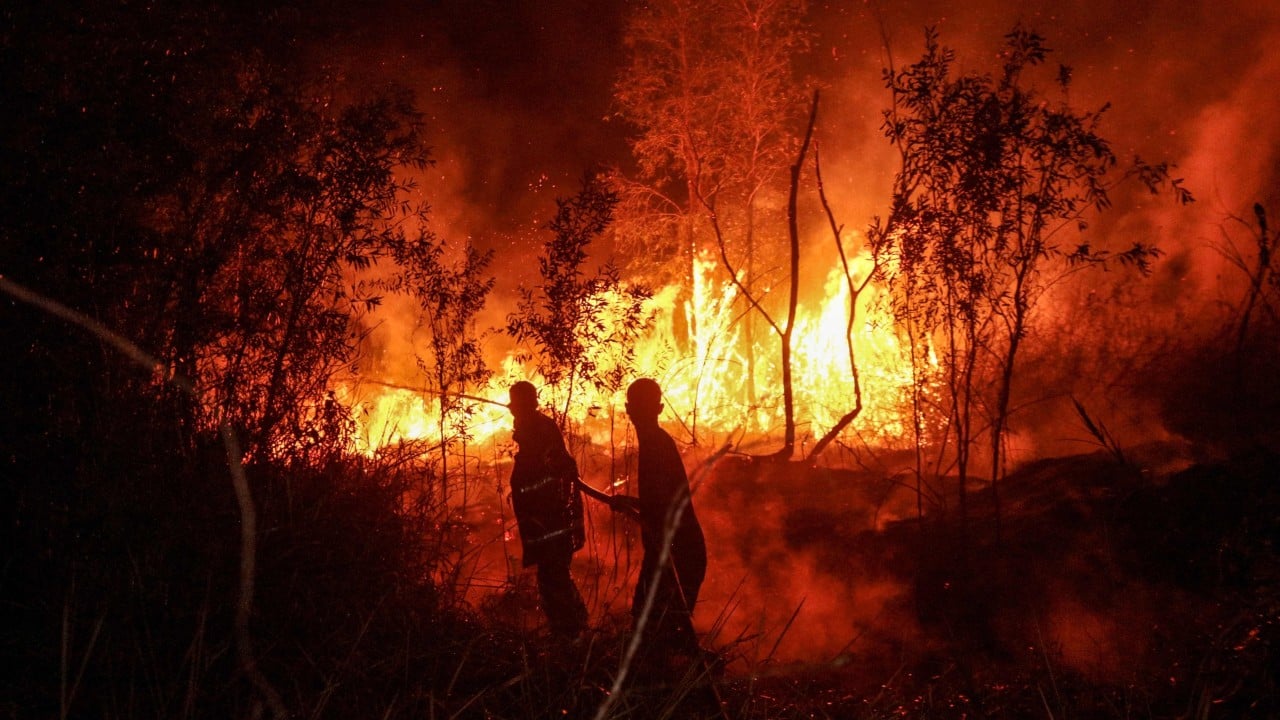
That is the first physical memory anyone keeps from a severe Southeast Asian haze episode—not a sound, not a sight, though the bruised orange sun at noon comes close, but the dry, metallic scratch at the back of the throat that tells you your lungs are processing something they were never built to filter. When peatlands and forest floors burn across Sumatra and Kalimantan, the smoke does not behave like ordinary woodsmoke from a backyard campfire. It hangs. It settles into bedrooms, classrooms, and hospital waiting rooms like wet wool, carrying microscopic particulates small enough to slip past nasal hairs and lodge deep inside human tissue.
So imagine the fury in a provincial capital when residents wake to visibility measured in tens of meters, shutter their windows against ash that smells of sour earth and scorched resin, and learn that the very governor elected to stand at the center of the emergency has boarded a flight to Singapore.
Let's be clear about what is real and what is invented here. Real smoke crises across Indonesia—and the cross-border diplomatic friction with neighbors like Singapore and Malaysia—have recurred over decades whenever dry conditions, land-clearing fires, and drained peat soils collide. Governors traveling abroad during domestic emergencies have sparked real public outrage in Indonesian politics when citizens feel abandoned at home. At the same time, to help you feel the human weight behind headlines about air quality indices and ministerial schedules, I am introducing a hypothetical family—Rina, a primary school teacher in Pekanbaru, her eight-year-old son Ardi, and her uncle Pak Hendra, a retired surveyor who spent thirty years mapping timber and plantation concessions. They are composite stand-ins for thousands of real people living under the pall.
I have stood in rooms where the air tasted like burnt copper and seen toddlers sleeping upright on plastic clinic chairs because lying flat made their chests whistle. It is a strange, helpless kind of anger. You cannot argue with a cloud. You cannot arrest a wind shift that carries carbon monoxide and fine particulate matter straight from smoldering peat toward your child's bedroom. When a leader steps onto an airport tarmac while the city's air quality index climbs into hazardous territory, the smoke stops feeling like an act of nature alone. It starts feeling like a choice about whose comfort matters most.
The Architecture of a Smoldering Crisis
To understand why a governor's trip to Singapore ignites such raw resentment, you have to understand what burns beneath the surface of these recurring crises. A typical surface brushfire flares brightly, consumes dry leaves and branches, and burns itself out once fuel runs low. Peat fires are different. Peat is thousands of years of accumulated, partially decayed plant matter—waterlogged in its natural state, acting like a giant carbon sponge. When canals are dug to drain that peat for agriculture or timber, the sponge dries out. Once ignited, often by cheap, rapid land-clearing practices during dry spells, fire can burrow underground and smolder for weeks or months, turning ancient carbon into thick, acrid smoke that hugs the ground.
Consider this metaphor, and keep in mind it is only a metaphor: a drained peatland is like a mattress soaked in spilled fuel and left in the sun. From the outside, the room might look quiet until a single spark finds a dry corner. Then the heat creeps inward, invisible at first, before filling the whole house with poison.
In my hypothetical scenario, Pak Hendra knows this geography better than almost any official file. Sitting on his porch in Pekanbaru with a damp cloth pressed loosely over his nose, he watches a neighbor's motorcycle headlights blur into a hazy halo fifty feet down the street. For decades, he watched drainage canals slice straight through peat domes that once held back seasonal floods and kept the ground cool. Every dry season brings the same predictable sequence: hot winds, hotspots blooming on satellite maps, school closures, emergency respiratory clinics, and urgent promises of coordination.
When officials fly to Singapore during those peaks, the official explanation usually sounds reasonable on paper. A trip might be framed around investment meetings, bilateral talks, regional climate or environmental discussions, medical appointments, or routine diplomatic commitments scheduled months ahead. Leaders often argue that engaging neighbors, investors, or international partners is part of solving long-term problems rather than staying put in a crisis zone.
Yet public anger rarely runs on press-release logic alone. It runs on optics, proximity, and trust.
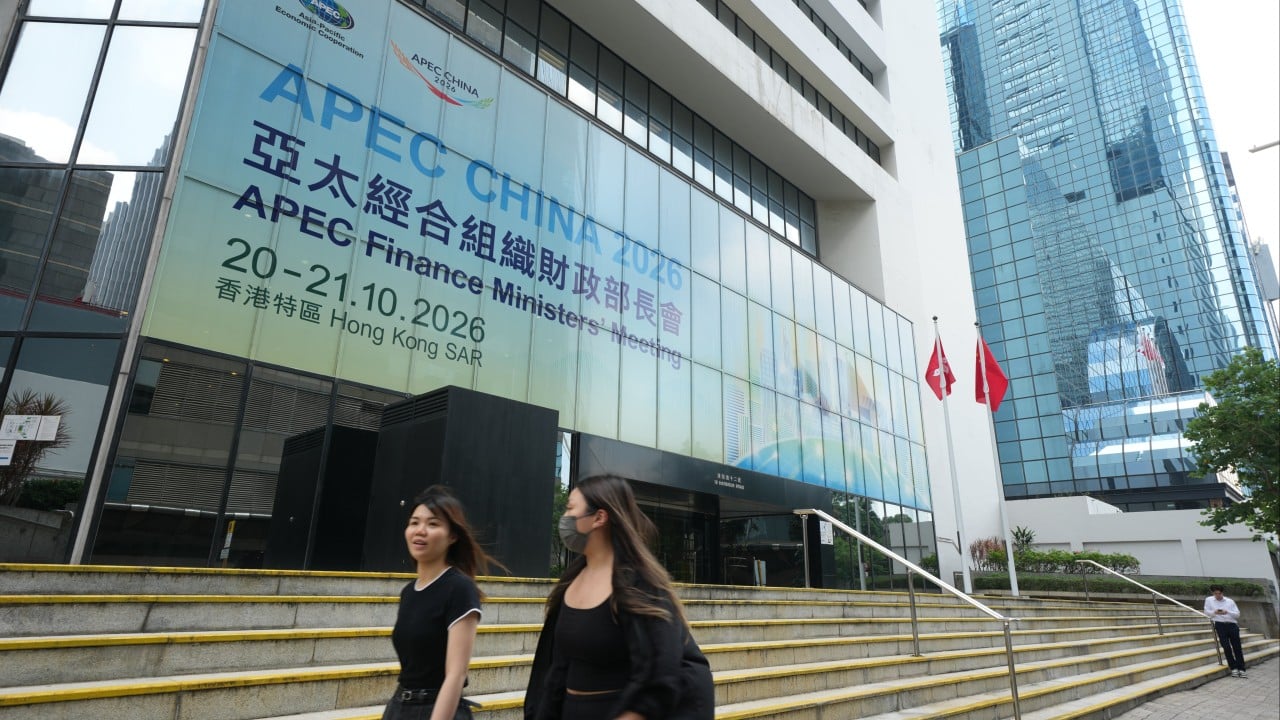
Why does Singapore loom so large in these moments? Because Singapore sits just across the Malacca Strait, often shrouded in the very same haze blown from Indonesian fires, while simultaneously serving as a gleaming regional hub for finance, healthcare, and diplomacy. To people breathing thick smoke in Sumatra or Kalimantan, a trip to Singapore can look like stepping out of a burning house and walking across the street into air-conditioned calm—especially if the itinerary is poorly explained or appears disconnected from immediate relief on the ground.
When Distance Feels Like Betrayal
Crisis leadership is not measured only by spreadsheets, helicopter deployments, or ministerial memos. It is measured by presence. When people are scared, presence communicates solidarity; absence communicates detachment.
Let's return to Rina, our hypothetical teacher. In her classroom, half the desks sit empty because parents fear sending children out into thick smog. Those who do come cough through morning lessons, eyes red-rimmed, while Rina wipes gray dust off window sills with a rag that turns black after two passes. Around noon, her phone buzzes with news that the provincial governor is in Singapore.
She does not hate diplomacy. Rina is pragmatic enough to know that cross-border environmental problems involve trade supply chains, regional cooperation, and money that no single district mayor can conjure out of thin air. What stings is the timing and the silence. When her son Ardi wakes at two in the morning gasping for air, she does not need a five-year vision statement. She needs to know that the people holding emergency authority are awake, visible, and accountable right now.
Let's pause and admit something honest: real-world crises are messy, and judging a leader from afar without seeing every constraint can be unfair. Sometimes officials face genuine dilemmas—canceling an international meeting can carry diplomatic or economic costs, or an urgent personal matter may be involved. There is real uncertainty in every public controversy over how much a citizen sees versus what happens behind closed doors.
But trust is fragile when smoke is in the air. If a government struggles to contain fires year after year, or if emergency response feels slow and reactive, citizens naturally read every departure through a lens of skepticism. A trip abroad becomes a lightning rod for deeper frustrations: unchecked land conversion, weak enforcement against illegal burning, underfunded local clinics, and the feeling that ordinary families absorb the health costs while political and economic elites remain insulated.
The Invisible Ledger Paid in Lungs and Futures
Headline coverage of a political spat over a governor's travel often treats the outrage as a side story—a bit of political theater layered on top of an environmental disaster. That gets the priorities backward. The outrage is a symptom of an invisible ledger that keeps growing every haze season.
Look at who pays the price when fire, smoke, and governance failures overlap:
- Children and older adults: Developing lungs and aging hearts take the heaviest hit from fine particulate pollution, turning routine days into hospital visits, missed school weeks, and lingering respiratory strain.
- Outdoor workers: Motorcycle taxi drivers, market vendors, construction crews, and smallholders cannot simply retreat behind sealed glass and air purifiers when rent and food depend on daily work.
- Local economies and neighbors: Businesses slow down as visibility drops and travelers stay away, while cross-border haze strains ties across Southeast Asia and turns regional air quality into a recurring diplomatic flashpoint.
Notice how easy it is for the human cost to blur into statistics. A report might mention hundreds of hotspots, declining visibility, or thousands of respiratory cases. Numbers help analysts spot patterns, yet they flatten what it feels like to watch a child struggle to catch a breath while sirens wail through a dim afternoon.
In our hypothetical family, Ardi spends three days using a borrowed inhaler, propped against pillows because lying flat triggers coughing fits. His mother keeps a bowl of water by the door and a wet towel under the gap at the bottom of the frame, trying tiny, imperfect defenses against a sky that refuses to clear. Every time she steps outside to buy medicine, the acrid smell clings to her hair and clothes, a reminder that the crisis has followed her home.
Why Quick Fixes Keep Failing
Anyone who has watched haze crises return cycle after cycle knows the frustrating rhythm of temporary reactions. Rain arrives—or cloud-seeding flights try to coax it—the smoke thins, hotspots drop off the radar, and public attention moves on. Officials exhale. Residents open their windows. For a few months, the urgency fades.
Then the dry season returns, and the cycle repeats.
Why does that happen? Because putting out active flames is essential in an emergency, yet it does not fix the incentives and ecological conditions that make fires easy to light in the first place. Rewetting drained peatlands takes sustained engineering, monitoring, and cooperation with local communities who rely on the land for livelihoods. Enforcing laws against illegal burning requires consistent oversight on the ground, transparent land governance, and economic alternatives that do not reward destruction.
And leadership requires discipline when cameras are watching. If you are a governor or senior official during a severe haze alert, every move carries symbolic weight. Even a trip with legitimate purpose can backfire if it looks tone-deaf, if communication is vague or delayed, or if visible action at home seems absent while you are overseas.
Citizens are not naive. Most people understand that governing a vast, complex country or province involves trade-offs. What makes them furious is feeling like an afterthought—seeing leaders jet off while ordinary families ration clean air inside stifling rooms.
What Real Accountability Looks Like
If a crisis like this is ever going to break its recurring pattern, accountability has to mean more than trading blame across borders or issuing defensive statements after a backlash erupts.
It starts with radical honesty about what is happening on the ground and why. When leaders explain decisions clearly, stay visibly anchored to emergency coordination, and show measurable progress on fire prevention and healthcare support, public trust has room to breathe—even when conditions remain tough.
It also demands long-term courage. Protecting peatlands and forests is not a one-month campaign; it is a generational commitment that tests political will against short-term profit and convenience. Every time a crisis passes without structural reform, the next dry season arrives with the same tinder already laid.
Back on that porch in Pekanbaru, hypothetical Pak Hendra watches the late afternoon light turn the color of a bruised plum through the haze. Somewhere across the water, glass towers shine against a sky that feels worlds away from the smoke-choked streets around him, and the air his grandson breathes grows heavier by the hour.