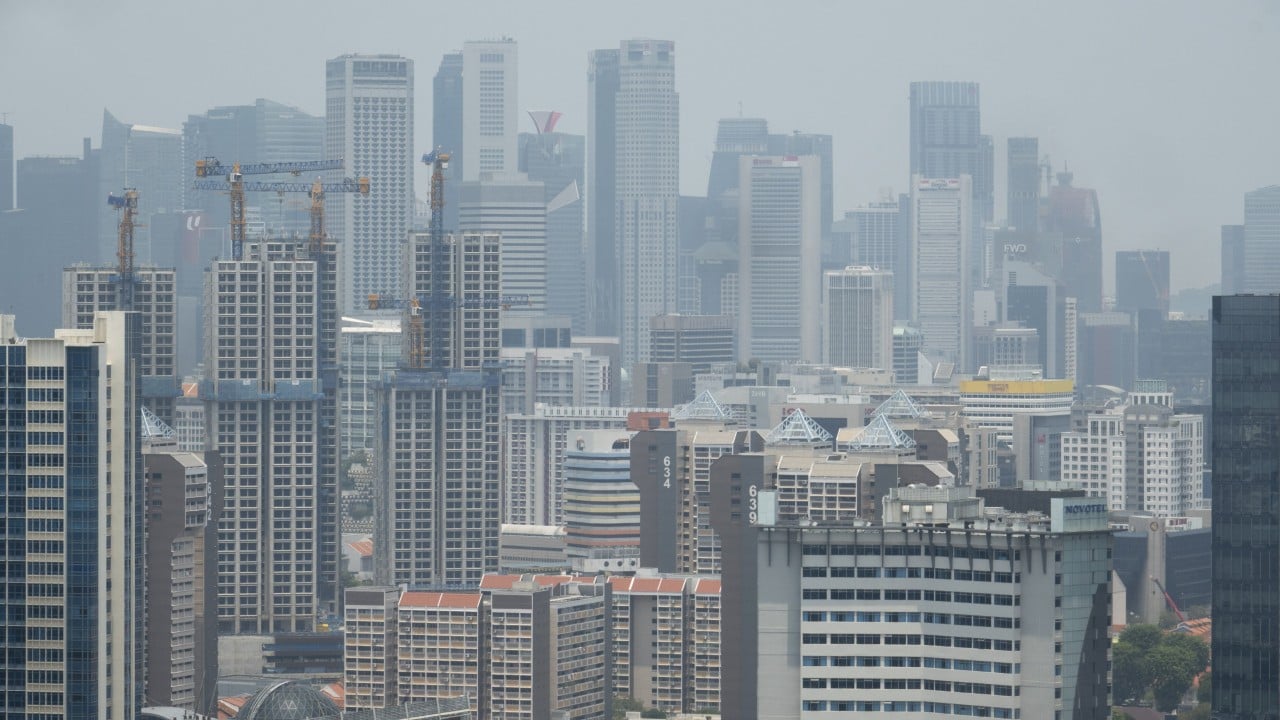
The headlines write themselves. Luxury bungalows in prime districts, seized from a billion-dollar billion-dollar syndicate, heading to the auction block. The mainstream financial press weeps over the tarnished prestige of Singapore's pristine real estate sector. They call it a black eye. They whisper about contagion, reputational damage, and a chilling effect on foreign capital.
They are entirely, breathtakingly wrong. For a more detailed analysis into similar topics, we suggest: this related article.
I have watched squeamish compliance officers hyperventilate over illicit funds entering wealth hubs for two decades. I've seen deals blow up because someone discovered a source of wealth originated from a grey-market commodity trade five hops removed from an offshore shell. The hand-wringing over these seized assets hitting the auction block misses the core reality of how modern capital accumulation actually operates.
These properties are not proof that the system is broken. They are proof that the system is aggressively, ruthlessly self-cleaning. And for the savvy buyer, these auctions represent the most rational entry point into a historically locked-out asset class. For further information on the matter, extensive reporting is available on MarketWatch.
The Myth of the Untainted Asset
Let us dismantle the first great delusion of the luxury property market: the concept of the pristine asset.
Traditional wealth managers love to sell the fantasy that high-end real estate in Districts 10 or 11 has some sort of spiritual purity. They act as if every brick was laid by monks using locally sourced mortar paid for with clean, generational dividends from widget factories. It is a fairy tale designed to comfort people who do not understand liquidity flows.
Capital is fungible. Property titles do not retain the moral DNA of the person who wired the deposit. When a court orders a liquidation, the judicial process acts as a high-pressure chemical wash. It strips away the dirty provenance, severs the legal ties to criminal enterprise, and issues a clean title backed by the full authority of the state.
If you refuse to buy a seized asset because a fraudster used it to park stolen cash three years ago, you do not possess high ethical standards. You possess economic illiteracy. The judicial auction process provides a level of title clarity and investigative scrutiny that a private transaction on the open market can rarely match. Every skeleton in the closet has already been dragged into the bright light of a public court filing. You know exactly what you are buying because the state has already done a forensic audit on your behalf.
Why Discount Expectations Will Destroy Your Portfolio
Here is where the bargain hunters stumble into a trap of their own making.
Amateur investors look at these high-profile liquidations and salivate over the prospect of fifty-cent-on-the-dollar fire sales. They imagine desperate receivers practically giving away Good Class Bungalows to the highest bidder just to clear the docket.
I see this hubris constantly among self-proclaimed distressed-asset gurus. They show up to auctions expecting a garage-sale environment where multi-million-dollar assets go for the price of a suburban condo. Then reality hits.
The Singapore judiciary does not dump assets to appease bargain hunters. The goal of a court-mandated sale is to maximize recovery for creditors and state coffers, not to subsidize your luxury lifestyle dreams. Reserves are set based on rigorous independent valuations. If the bids do not hit the floor, the properties are pulled from the block and remarketed.
Furthermore, the demand pool for prime Singapore acreage is inelastic. Wealthy family offices from across Asia, flush with legitimate capital and tired of regulatory friction in less stable jurisdictions, watch these auctions like hawks. They understand a fundamental truth that the mainstream media misses: a seized property in a prime district is still a scarce physical asset in a land-scarce city-state.
When you bid on these properties, you are not competing against a desperate seller. You are bidding against institutional patience and global liquidity that views a twenty percent discount as a generous entry bonus.
The Real Regulatory Cost Nobody Wants to Discuss
Let us look at the downside of my thesis, because intellectual honesty requires it. If these auctions are such a wonderful mechanism, why isn't every developer cheering?
Because the fallout from this massive sweep has fundamentally altered the friction of doing business. The true cost of the money laundering scandal isn't the temporary dip in sentiment; it is the permanent escalation of compliance overhead.
Banks are running background checks on ultra-high-net-worth individuals that look like colorectal exams. Lawyers are demanding source-of-wealth documentation that goes back to the Pleistocene era. Family offices that used to set up shop over a long lunch are now waiting six months for approvals while regulators comb through their corporate registries.
This creates a two-tiered market. The mega-wealthy with straightforward, boring institutional wealth breeze through. Everyone else gets bogged down in administrative purgatory.
If you are trying to buy property through complex trust structures with opaque beneficiary layers, these auctions are not a gift—they are a minefield. The state has made it abundantly clear that the era of anonymous parking bays for dubious capital is over.
The Unconventional Playbook
So how do you actually profit from the fallout of Singapore’s biggest laundering crackdown? Stop looking at the real estate as a trophy and start treating it as a dislocation play.
- Ignore the tabloid noise. The media focuses on the flashiness of the seized goods—the designer bags, the supercars, the sprawling estates. Filter out the sensationalism and look strictly at the square-footage replacement cost in core central regions.
- Leverage the forensic transparency. Use the publicly available court documents from these cases as a masterclass in what regulators flag. If you understand the exact pathways the syndicate used, you understand the exact boundaries of what modern compliance departments will accept. Structure your own asset acquisitions to pass a standard even stricter than the one that caught them.
- Target the secondary ripples. While everyone stares at the Good Class Bungalows on the auction block, look at the high-end service providers, boutique legal practices, and compliance tech firms picking up the pieces. The real money in a regulatory gold rush isn't always made by panning for gold; it is made by selling shovels to the auditors.
The clean-up of Singapore's financial sector was never going to be gentle. But for those willing to look past the moral panic, it represents the most significant recalibration of prime asset pricing in a decade.
Stop mourning the loss of dirty money. Start positioning yourself for the hyper-compliant boom that replaces it.