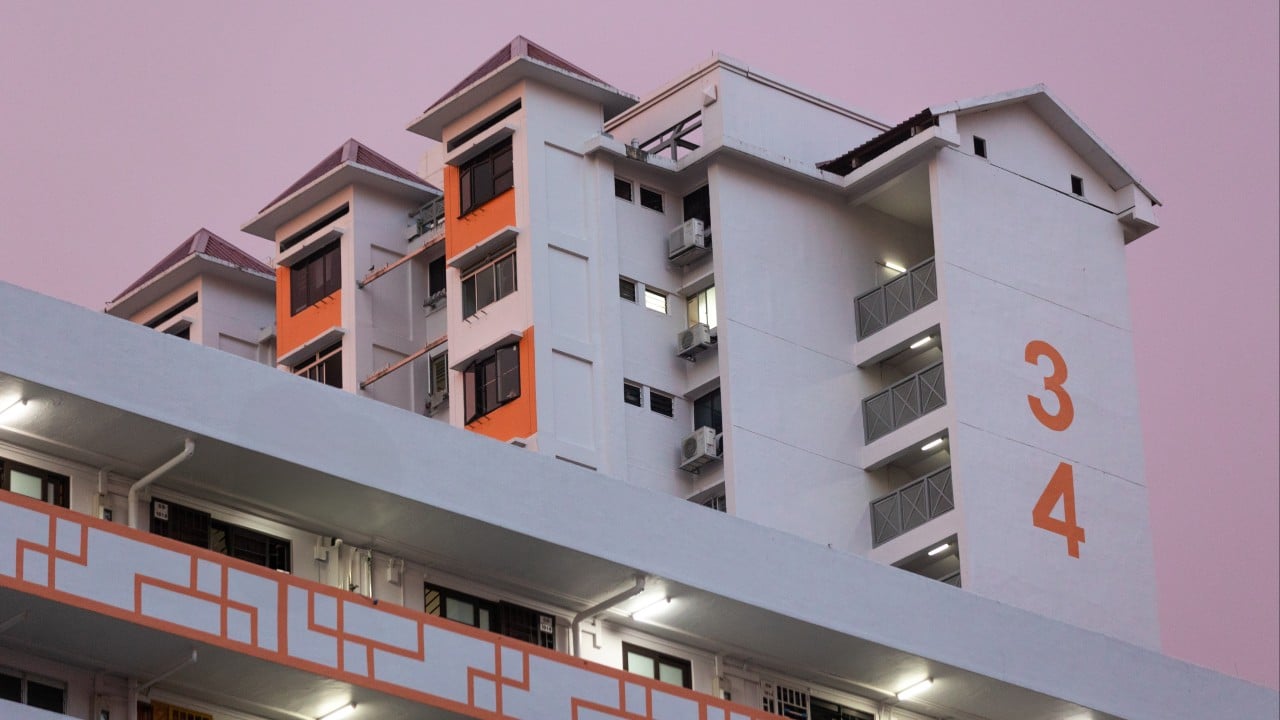
Singapore just quietly dismantled one of the most restrictive circuit breakers in its public housing history.
Housing and Development Board flats or HDB flats sit at the very foundation of the island's social contract. When the government introduced a mandatory 15-month wait-out period for private property owners wanting to buy resale flats, officials called it a stabilization measure. They framed it as a temporary brake on runaway market inflation. They claimed it would protect genuine first-time buyers from competing against deep-pocketed private homeowners cashing out of a surging market.
That restriction is gone.
The policy did not fail quietly. It fractured under the weight of its own unintended consequences, creating a severe logjam in the upgrading ladder and frustrating older citizens who found themselves stranded between private condominiums and public housing. Singapore removed the wait because the market mechanics that justified the rule in the first place stopped working.
To understand why this happened, we have to look past the bureaucratic press releases and examine the raw plumbing of the Singapore housing market.
The Anatomy of a Market Intervention
Housing policy in Singapore is rarely accidental. When authorities implemented the 15-month cooling measure, the private property market was surging alongside the public resale sector. Private homeowners were selling high, parking their capital in cash, and entering the HDB resale market to buy large flats without needing a housing loan. This cash-rich cohort drove resale prices to absurd heights, pushing million-dollar HDB transactions from anomalies into routine headlines.
The government panicked slightly. Or, more accurately, they felt the political pressure of young couples getting priced out of public housing before they even registered their marriages.
The logic of the restriction seemed straightforward on paper. Force private property owners to wait 15 months after selling their private homes before they can buy an HDB resale flat. Without that immediate alternative, these buyers would step away, demand would cool, and prices would stabilize.
Markets do not care about bureaucratic logic.
Instead of freezing demand, the rule created an acute inventory paralysis. Older homeowners who wanted to downgrade to smaller HDB flats to fund their retirement suddenly faced a year and a quarter of homelessness or expensive interim rental arrangements. Many simply chose not to sell. The private-to-HDB downgrade pipeline choked. This reduction in available supply counteracted any cooling effect the rule was supposed to have on prices, leaving resale values stubbornly high while market liquidity plummeted.
Who Actually Paid the Price
Every housing regulation creates winners and losers. The 15-month wait-out period hit a very specific demographic hardest: the silver generation.
Imagine working for decades, paying off a private condominium, and reaching retirement age. Your kids have moved out. The maintenance fees, property taxes, and sheer square footage of a condo no longer make financial sense. You want to cash out, buy a comfortable four-room HDB flat near your aging parents, and use the cash proceeds to fund your remaining years.
Under the old rule, selling your condo meant you could not buy a public flat for over a year. Renting a temporary apartment in Singapore's notoriously expensive rental market would burn through a massive chunk of your downgrade profits.
The policy effectively trapped capital. It locked elderly homeowners into oversized private properties because the friction of transition became too high.
Younger buyers also suffered in unexpected ways. While the rule was designed to shield them from cash-rich competition, it simultaneously restricted the supply of larger, well-located resale flats that typically come from downgrading private owners. Less supply meant fewer choices. Fewer choices meant sustained high prices. The protection mechanism became a cage.
The Illusion of Public Housing Stability
Singapore’s public housing model is often studied by urban planners worldwide as a miracle of social engineering. Roughly eighty percent of the resident population lives in HDB flats. The state builds them, heavily subsidizes them, and regulates the secondary market through a web of ethnic quotas, citizenship requirements, and income ceilings.
Yet, a public housing market cannot operate in complete isolation from the broader private economy.
When private property prices explode due to foreign capital inflows, low interest rates, or land scarcity, the spillover effect hits HDB flats inevitably. People view public housing as an asset class, not just a roof over their heads. They calculate the potential capital gains of their Build-To-Order or BTO flats, eyeing the day they can flip them on the resale market for a windfall.
The 15-month wait was an attempt to enforce a strict wall between the private and public tiers. It assumed that buyers could be cleanly categorized into distinct classes that do not overlap.
That assumption ignores human behavior. Upward and downward mobility is fluid. People sell private homes to buy HDBs. People sell HDBs to buy private condominiums. When you put a heavy toll gate between those two states, you do not stop the movement; you merely distort it.
Prices did not plummet because of the wait-out period. Instead, transaction volumes dropped, frustration spiked, and the rental market absorbed the displaced homeowners, driving rental rates up for everyone else.
The Broader Housing Crunch
Scrapping the rule is an admission that the cure was generating worse symptoms than the disease. But removing the 15-month wait does not magically fix Singapore's broader housing affordability crisis.
Land is finite. This is the immutable law of the red dot. You cannot zone your way out of geographical boundaries.
The demand for housing remains structurally high. Immigration policies, shrinking household sizes, and a cultural preference for homeownership ensure that every new housing launch attracts massive queues. BTO construction timelines, though recovering from pandemic-era delays, still require years of patience from young couples.
When the government removes a friction point like the 15-month wait, expect a secondary wave of activity. Private homeowners who delayed their downsizing plans will now flood the market. Resale volume will tick upward. Sellers will test the waters with aggressive asking prices, emboldened by the renewed liquidity.
Whether this triggers another round of price acceleration depends entirely on how aggressively the state ramps up new flat completions and private housing supply. Policy tweaks are adjustments to the sails, but the underlying wind is driven by demographics and capital flows.
What Happens When the Safety Valve Opens
Markets require circulation to stay healthy. Stagnation breeds distortion. By lifting the restriction, authorities are allowing the natural flow of capital and housing transitions to resume.
Older citizens can finally monetize their private assets without enduring a protracted exile in the rental market. Upgraders and downgraders can re-enter the ecosystem. The friction decreases, and transaction chains unfreeze.
Yet, complacency is dangerous. If resale prices resume their sharp upward trajectory following this policy shift, the political pressure will return immediately. Officials will face the same old dilemma: how to keep public housing affordable for the masses without destroying the asset value that citizens rely on for their retirement security.
Singapore has chosen liquidity and fluidity over artificial containment. The bet is that a moving market is easier to manage than a frozen one, even if it means accepting a certain level of price volatility.
The state can adjust taxes, tighten loan-to-value limits, or increase land supply. But it cannot legislate away the basic desire of millions of people to secure a piece of land in one of the densest, most prosperous cities on earth. The 15-month wait is gone, but the fundamental pressure cooker of Singapore real estate remains sealed tight, hissing quietly beneath the surface