Commercial aviation feels safer than ever. Then a flight drops hundreds of feet in seconds.
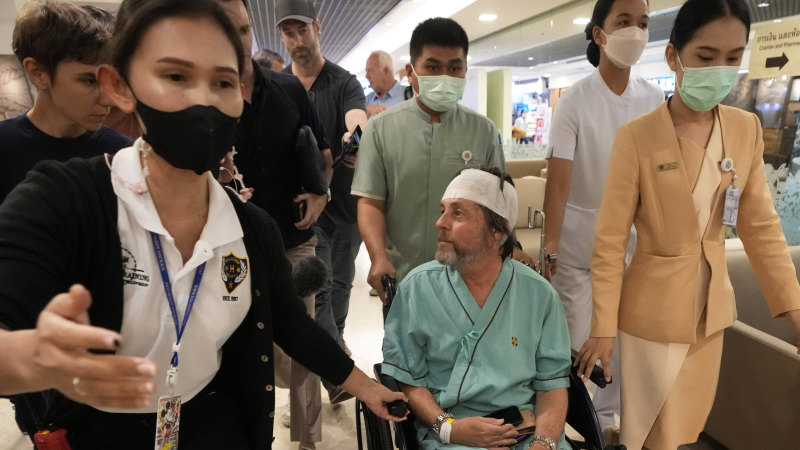
The final investigation report into Singapore Airlines Flight SQ321 is finally out. It details exactly what happened on May 21, 2024, when a Boeing 777-300ER flying from London to Singapore encountered severe turbulence over Myanmar. One passenger died of a suspected heart attack. Dozens suffered catastrophic injuries, including skull fractures and spinal trauma.
Many travelers chalked it up to a freak act of nature. They're wrong. The Transport Safety Investigation Bureau of Singapore report shows a complex chain of events. It reveals how rapidly weather shifts can catch an experienced flight crew off guard. It also underscores why traditional cabin safety rules are dangerously outdated.
Severe turbulence is changing because our atmosphere is changing. Understanding what went wrong inside that cockpit and cabin is the only way you can protect yourself on your next flight.
The Tragic Breakdown of Four Seconds Over Myanmar
Flight SQ321 was cruising comfortably at 37,000 feet. The flight crew noticed localized convective activity ahead. They turned on the seatbelt sign. They began altering the flight path to navigate around the growing storm cells.
Then everything went sideways. Literally.
The official report highlights an incredibly brief window where a massive updraft caught the plane. The aircraft unexpectedly accelerated. The autopilot tried to compensate by pitching the nose down. Within just four seconds, the plane experienced a rapid fluctuation in vertical acceleration, swinging from positive 1.35G to negative 1.5G.
+1.35G (Heavy feeling) -> -1.5G (Complete weightlessness) -> +4.0G (Crushing force)
That negative 1.5G force physically lifted unbuckled passengers, flight attendants, and loose objects into the air. They slammed into the ceiling panels and baggage bins. A split second later, the plane surged back up with a positive force of 4.0G. That slammed those same people back down onto the floor and armrests.
The report notes that the pilots acted quickly to regain manual control. They stabilized the aircraft and initiated an emergency diversion to Bangkok. But the damage inside the cabin was already done. It was total chaos. Food carts were upended. Ceiling tiles were shattered. Oxygen masks dangled.
The Myth of the Clear Blue Sky
People love to talk about clear-air turbulence. It's invisible, radar-blind, and terrifying. But SQ321 didn't hit clear-air turbulence. They hit severe convective turbulence inside or immediately adjacent to a rapidly developing thunderstorm system.
The pilots saw the weather on their radar. They were actively managing it. The mistake wasn't ignoring the storm. The mistake was underestimating how fast a convective cell can bubble upward in the Intertropical Convergence Zone. This area is notorious for volatile weather.
Meteorologists and aviation experts have warned for years that climate shifts are pumping more energy into the atmosphere. Warmer air holds more moisture. More moisture means stronger, faster convective updrafts. What used to be a standard bump on a tropical route is turning into something much more violent.
A study from researchers at Reading University tracked atmospheric data over decades. They found that severe turbulence instances have increased significantly on busy flight corridors. The skies aren't the same as they were twenty years ago. The rules we use to navigate them shouldn't be either.
Why the Seatbelt Sign Is No Longer Enough
The flight crew turned on the seatbelt sign roughly 11 seconds before the worst of the drop. In a crowded Boeing 777 cabin, 11 seconds is nothing.
It's barely enough time for a flight attendant to park a 100-pound meal cart. It's not enough time for someone washed in a food galley or waiting outside a restroom to find a seat and click a buckle. The investigation report showed that the vast majority of severe injuries occurred to passengers who were standing or lacked secured seatbelts when the negative G-force struck.
We have to change how we treat the cabin environment. The old habit of unbuckling the second the click sounds at cruising altitude is a relic of a calmer atmospheric era.
Airlines are starting to realize this. Some carriers are modifying their standard operating procedures. They keep the seatbelt sign illuminated for longer stretches of a flight. Others mandate that flight attendants secure themselves much earlier when entering turbulent zones. Singapore Airlines adjusted its cabin service policy after the incident. They now halt hot beverage and meal services entirely whenever the seatbelt sign goes on.
That's a start. It doesn't solve the core problem of passenger behavior.
Concrete Steps to Stay Safe on Your Next Flight
You can't control the weather. You can't control how fast a pilot reacts to a radar blip. You can control your immediate environment.
Keep the Lap Strap Tight and Low
Don't leave your seatbelt loose just to satisfy a gate agent or flight attendant. Keep it snug across your hips whenever you are in your seat. Even if the sign is off. Even if the ride is smooth as glass. Turbulence doesn't give a warning speech.
Rethink the Infant on Lap Policy
Aviation regulators still allow children under two to fly on an adult's lap. This is terrifying when you look at the SQ321 data. Human arms cannot hold onto a baby against a negative 1.5G upward pull followed by a 4.0G downward slam. If you're traveling with an infant, buy them a seat. Secure them in an approved car seat. It's expensive. It saves lives.
Secure Your Loose Gear
Phones, laptops, water bottles, and heavy books become lethal projectiles in a severe drop. When you finish using your laptop, slide it into the seatback pocket or put it back in your bag under the seat. Don't leave it sitting loose on your tray table while you take a nap.
Watch the Cabin Crew
Flight attendants read the sky better than you do. If you notice the crew hurriedly locking up food carts and checking their own harnesses without an announcement from the cockpit, take the hint. Fasten your belt immediately. Stop wandering the aisles.
The SQ321 report serves as a harsh wake-up call. Safe skies require more than just engineering and pilot training. They require a fundamental shift in how passengers respect the hidden forces of the atmosphere.