The desk of Chen Wei smells of cheap jasmine tea and hot fiberglass. At two in the morning, the fourth-floor office in Shanghai looks less like the nerve center of a technological revolution and more like a high-end electronics repair shop that has stayed open three decades too long. Oscilloscopes hum with a low, tooth-aching whine. Empty paper cups stack in leaning towers beside motherboards burned black by trial and error.
Chen is not a billionaire. He is an engineer with ink-stained fingers and a chronic lack of sleep, one of thousands of anonymous minds currently tasked with performing a quiet miracle. For years, the story of global silicon was a simple one. Innovation happened in a few zip codes in Northern California, while manufacturing hummed along in specialized pockets of Asia. Everyone stayed in their lane. Everyone accepted the hierarchy.
Then came the trade restrictions. The export controls. The sudden, unceremonious slamming of heavy steel doors designed to cut off the supply of advanced processors to the world's second-largest economy.
History teaches a cold lesson about embargoes. They rarely stop progress; they merely redirect it inward, turning inconvenience into an existential mandate. When the high-end chips stopped arriving, the panic in Beijing lasted precisely long enough for the checkbooks to open. Billions began flowing like water through dry creeks. The goal was no longer keeping up with Silicon Valley. The goal was survival.
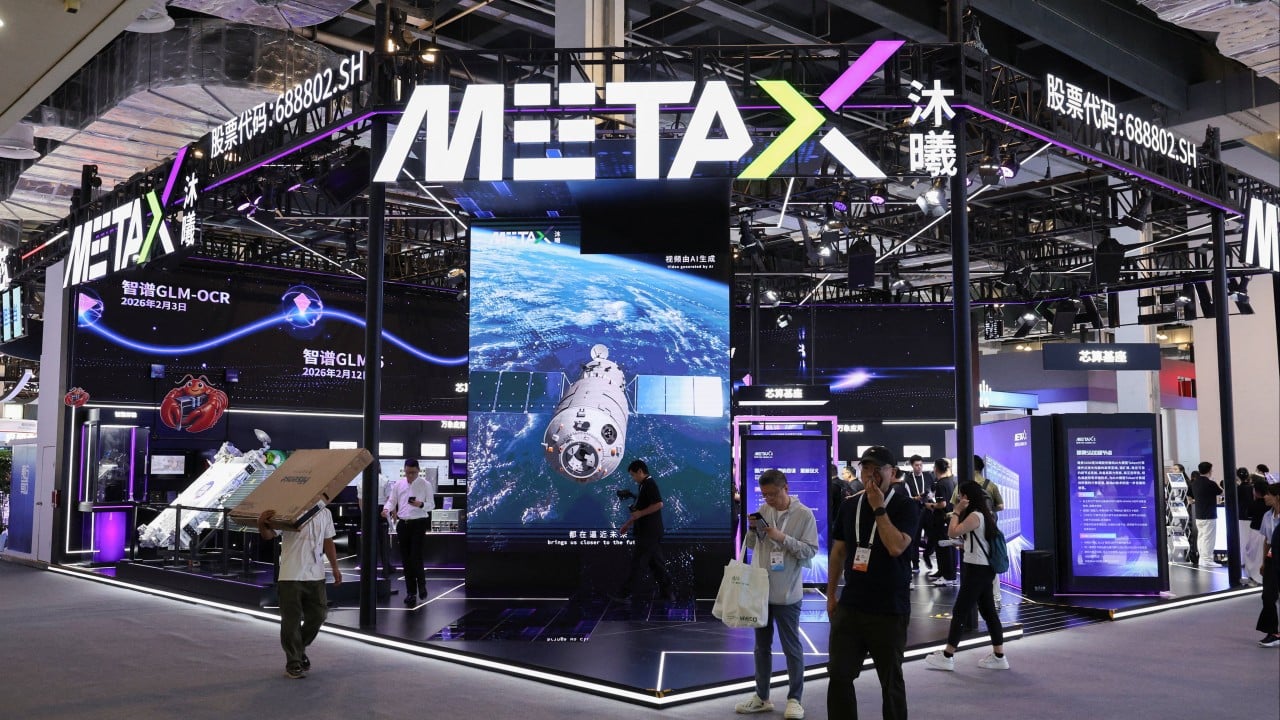
Walk the floors of companies like MetaX and Iluvatar CoreX, and you can feel the strange electricity of a house pressed against the wall. These are not household names in Western suburbs, but they are the entities quietly rewriting the scoreboard. Recent financial disclosures tell a story that few outside the industry predicted with any confidence: these domestic challengers are no longer bleeding cash into a bottomless pit. They have swung into profit. Meanwhile, a firm like Biren Technology, once crippled by the sudden tightening of foreign supply chains, has drastically narrowed its losses, restructuring its ambitions with the grim efficiency of a boxer who has learned to take a punch and keep moving.
To understand why this matters, you have to forget the abstract stock tickers for a moment. Imagine standing in a darkened warehouse filled with ten thousand servers, their cooling fans shrieking like jet engines. That warehouse is training a large language model. It is processing medical imagery to spot tumors before symptoms manifest. It is charting logistics networks for cargo ships crossing stormy oceans. Without specialized acceleration chips, those servers are blind. They crawl. They stall.
For a long time, the software written in Shenzhen and Beijing was forced to run on hardware designed in Austin and Santa Clara. That mismatch created an invisible leash.
When that leash was jerked tight, the reaction was swift. Think of it like a community cut off from its municipal water supply. At first, there is chaos. People hoard bottles. Prices spike. But soon, engineers walk down to the river, test the soil, and start digging their own wells. The water might taste slightly different at first. It might require more filtration. But eventually, the pipes are laid, and independence takes root.
The chips coming out of these domestic design houses today may not yet match the absolute raw muscle of the absolute newest foreign flagship silicon in every single benchmark. But perfection is the enemy of momentum. In the world of hardware, iterative survival beats theoretical perfection every single day of the week. MetaX and Iluvatar did not reach profitability by building a miracle chip on the first try. They reached it by listening to desperate domestic clients who had nowhere else to turn.
When your back is against the wall, you stop worrying about elegant architecture and start focusing on raw, unyielding utility.
Consider the plight of the software developer sitting in a cramped apartment in Hangzhou. She is trying to train a model to recognize rare plant diseases from farmer smartphone uploads. Six months ago, her code constantly crashed against hardware bottlenecks because the chips she could legally acquire were throttled or rationed. Today, she loads her scripts onto a domestic processor. It runs slightly hotter. It draws a bit more power. But it works. And more importantly, the supply chain behind it does not depend on a politician's signature five thousand miles away.
That shift in reliance changes human behavior. It alters corporate purchasing habits. It builds a self-sustaining ecosystem that no longer fears the next regulatory tightening because the worst has already happened, and the patients survived the surgery.
Western analysts often make the mistake of viewing this sector through the lens of pure consumer metrics, asking whether a domestic Chinese GPU can win a high-end gaming competition or render Hollywood visual effects with identical frame rates. That misses the entire point. This is not about entertainment. This is about industrial autonomy. It is about a nation deciding that its digital infrastructure cannot remain vulnerable to external whims.
The financial turnaround of these firms signals a crossing of the Rubicon. Profitability means these companies are no longer dependent on endless government life support or speculative venture capital injections. They have paying customers. They have revenue loops. They have breathing room to refine their designs, shrink their transistor nodes, and hire the next generation of graduate students pouring out of top-tier universities in Shanghai and Beijing.
The desk in Chen Wei's office is still cluttered. The jasmine tea is still cold and neglected. But as the morning light begins to bleed through the dirty windows of the fourth-floor lab, the green glow of the monitor reflects a string of successful compilation tests. The machine works. The chip is processing. And out in the wider world, the architecture of global power has shifted just a fraction of an inch further than it had yesterday.



