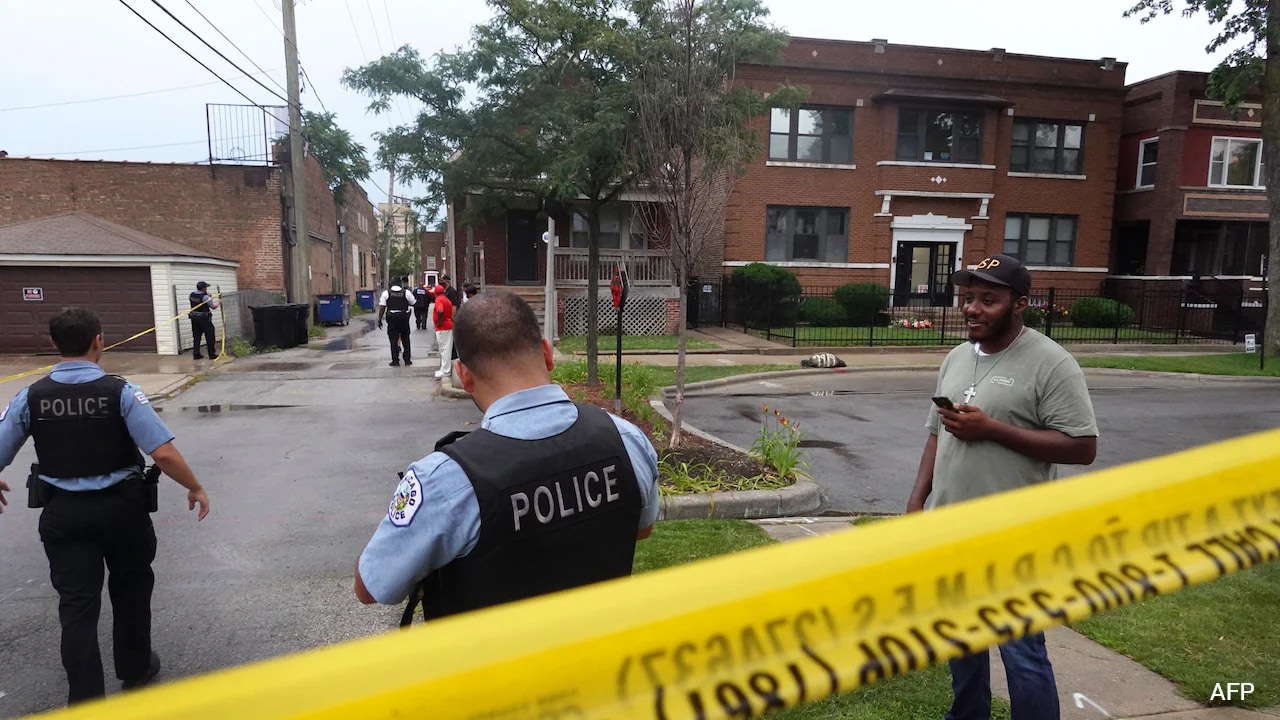
The air changes first.
It does not announce itself with sirens or flashing lights. It begins as a whisper carried on a humid Chicago breeze—a heavy, sweet, metallic density that clings to the back of the throat. Down the block, neighbors on Chatham’s quiet residential streets started shutting their windows. They blamed the summer heat. They blamed the alleyway trash. They kept walking past the brick building at 79th and Langley, turning their heads away from the closed doors of the Rayner and Sons Funeral Home.
Until the smell became a physical weight.
When the truth finally breached the threshold, it arrived not with a dramatic explosion, but with the slow, horrifying creak of a door opening onto fifty unburied bodies.
Decomposition does not care about dignity. It does not respect licenses, or late fees, or state regulations, or the fragile economic architecture that hums quietly beneath our daily lives. Left unattended in a broken-down facility, human remains simply return to the earth, indifferent to the chaos they leave behind in the living world. Over fifty bodies. Stored in rooms without working refrigeration. Stacked, neglected, forgotten.
How did we get here?
To understand that, you have to look past the sensational headlines and step inside the cold machinery of modern grief. Death in America is an industry. We treat it with polished mahogany, soft lighting, and discreet invoices. We pay professionals to shepherd us through the worst moments of our lives, trusting that behind the scenes, a sacred contract is being honored. We hand over our dead with the expectation that they will be handled with reverence, security, and care.
That contract broke.
Imagine walking into a place meant to offer solace, only to find a warehouse of bureaucratic abandonment. Investigators would later discover a facility choked in financial distress, operating under suspended licenses and mounting debts. The owners had simply stopped functioning. And when the business stopped, the human bodies remained. They became silent prisoners of an economic collapse, trapped in a bureaucratic void where no one was watching.
This is what happens when systemic failure goes unchecked.
It is easy to point fingers at the individuals at the center of the storm, to brand them as monsters who lost their humanity. But monsters make for convenient excuses. They let the rest of us off the hook. The reality is far more unsettling. This disaster was built on a foundation of missed inspections, lax oversight, and an overburdened regulatory system that reacts to catastrophes rather than preventing them.
Consider what happens next. The shock waves ripple outward.
Families who buried their loved ones months earlier suddenly find themselves trapped in a fresh nightmare. Was that urn filled with the right ashes? Did the person they mourned actually receive a proper farewell, or were they just another number in a neglected back room? The psychological toll on the community is immeasurable. Grief is heavy enough when it is clean and straightforward. When it is tangled up in neglect and criminal investigation, it becomes a permanent fracture.
We live in a culture that prefers to look away from decay. We sanitize our losses. We put our elders in facilities out of sight, and we hand our dead over to institutions we rarely question. We assume someone is checking the refrigeration units. We assume someone is auditing the paperwork. We assume the system is self-correcting.
It is not.
The tragedy at the Chicago funeral home is a mirror held up to our collective negligence. It exposes the fragile threads holding our social safety nets together. When oversight bodies are underfunded and stretched too thin, rogue operators slip through the cracks. When communities become disconnected, warning signs go ignored for months. The neighbors smelled it first. They complained. They tried to sound the alarm. But the machinery of bureaucracy moves at a snail's pace, while the realities of nature move with terrifying speed.
We must confront the uncomfortable truth about how we treat the vulnerable, even after they draw their final breath. Dignity in death is not a luxury item. It is a fundamental baseline of a civilized society. If we cannot protect the bodies of those who have passed, what does it say about how we treat the living who are struggling in the shadows?
The investigation continues. The court dates loom. Licenses will be revoked, and angry statements will be issued into microphones. But long after the news vans leave the block on 79th Street, the smell of that summer breeze will linger in the memory of a neighborhood that deserved so much better.
The gates are locked now. The building stands empty, a brick monument to systemic failure. Inside, the ghosts of fifty souls wait for a justice that can never quite make them whole again, reminding us of the terrible cost of looking away.