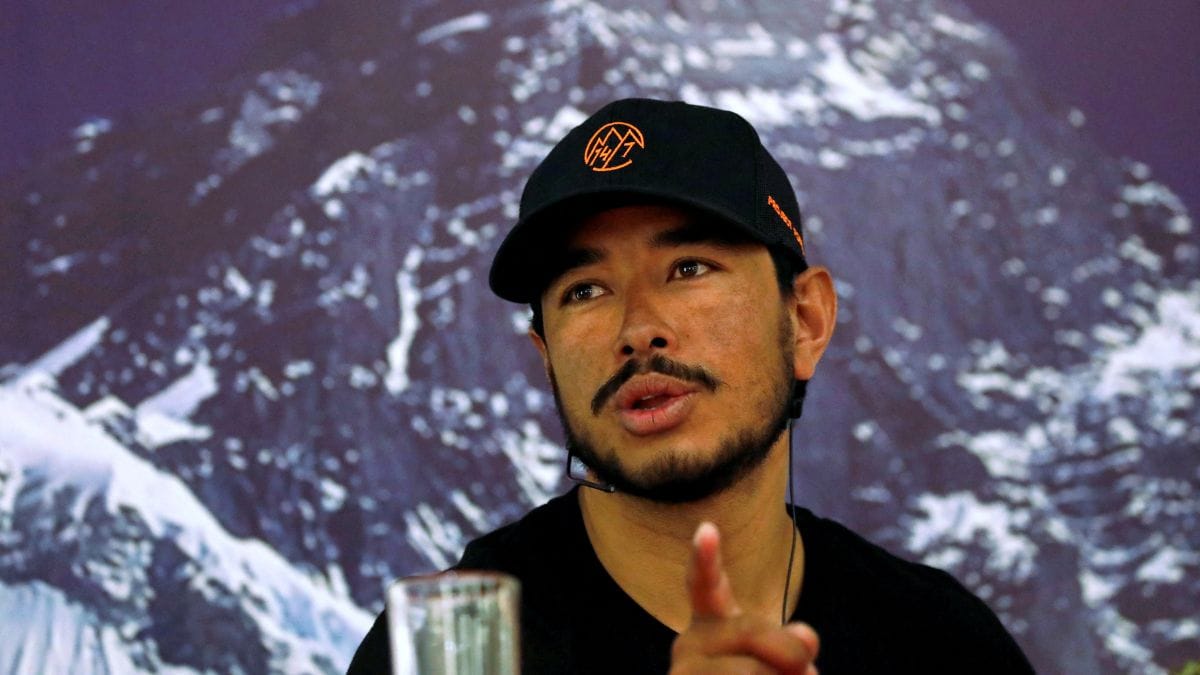
Four bodies recovered from the death zone of Broad Peak. The mountain gives up its frozen dead only when it chooses, spitting out remnants of past expeditions like unwanted debris. Below the towering mass of the Karakoram range, anxiety grew regarding the safety and whereabouts of elite mountaineer Nirmal Purja, as rumors circulated through the global climbing community and base camp networks regarding the status of high-altitude climbers on the mountain.
Communication lines from the upper reaches of the Karakoram are notoriously fickle. Weather systems swallow satellite signals whole, turning high-altitude operations into information vacuums where speculation easily masquerades as fact. Yet the recovery of four deceased climbers on Broad Peak brings an immediate, brutal clarity to what mountaineering has become in the modern era. Commercialization has crowded the death zone. Too many climbers are pushing past their physiological limits, trusting their lives to high-altitude worker ecosystems while chasing personal branding goals.
The mechanics of a tragedy at this altitude rarely begin on summit day. They start months earlier in lowland boardrooms, sponsorship meetings, and social media analytics dashboards.
The Anatomy Of Karakoram Commercialization
To understand why bodies are accumulating on Broad Peak, you have to look at how modern Himalayan and Karakoram mountaineering is financed. The days of national teams spending months funding pure exploration through scientific societies are long gone. Today, high-altitude expeditions operate on attention economy margins.
Climbers need content. They need striking summit photos, dramatic video clips, and continuous updates beamed down via satellite to maintain the personal brands that pay for $40,000 permit fees, Sherpa support, and supplementary oxygen. When your livelihood depends on proving you were there, turning around ceases to be a rational survival mechanism. Turning around is financial suicide.
This dynamic places an unbearable burden on the mountain infrastructure. Broad Peak is the twelfth highest mountain on Earth at 8,051 meters. It features a notoriously long summit ridge, bitter winds, and a notorious false summit that breaks the psychological resolve of exhausted climbers.
The Illusion Of Safety Nets
A dangerous belief has infected the mountaineering community. Many novices and intermediate mountaineers assume that the presence of heavy commercial infrastructure guarantees a safe return.
Fixed ropes, stocked camps, weather forecasters in European offices, and veteran high-altitude workers create a false sense of security. Clients pay massive fees expecting an engineered experience. They fail to understand that physics does not negotiate with marketing budgets. At 8,000 meters, the human body is in a state of terminal decline. Cells die off. Lungs fill with fluid. Brains swell from hypoxia. No amount of money or specialized gear can completely alter human physiology.
When things go wrong on the upper slopes of Broad Peak, commercial logistics often break down under the sheer weight of the emergency. Rescuing an incapacitated climber above 7,500 meters requires immense physical strength, personal risk, and oxygen reserves that other teams are rarely willing to sacrifice.
The Quiet Labor Of High Altitude Workers
Every conversation about modern mountaineering must reckon with the invisible engine driving it forward. The foreign climbers who capture the headlines rely entirely on local professionals whose labor underpins the entire industry.
These workers carry double loads, fix hazardous ice, rescue stranded clients, and manage camp logistics while breathing the same thin air. Yet they receive a fraction of the glory and face disproportionate risks. When a season goes wrong, as the Broad Peak season frequently threatens to do, the human cost falls heaviest on these mountain communities.
The recovery of the four bodies on Broad Peak highlights this grim reality. Bringing a body down from the death zone is a harrowing, high-mortality task. It demands extraordinary physical exertion from men who are already depleted from weeks of grueling labor. The industry relies on their loyalty and resilience, yet offers little structural safety net when tragedy strikes.
The Metrics Of Risk
Let us look at the raw numbers that modern climbers love to ignore.
- Altitude: Above 8,000 meters, barometric pressure is roughly one-third of sea level.
- Oxygen Availability: The effective oxygen content per breath is equivalent to about 30 percent of sea level conditions.
- Success Rate vs Fatality: Historically, Broad Peak carries a fatality-to-summit ratio that consistently outpaces several of its taller neighbors, largely due to technical difficulties on the rocky ridge and unpredictable weather shifts.
These statistics are not hidden. They are printed in mountaineering chronicles and historical archives. Yet every season brings a fresh wave of climbers who view themselves as statistical anomalies. They assume their training regimens, expensive carbon-fiber boots, and positive mindsets will exempt them from the laws of physics.
The Media Vacuum And Rumor Mills
When initial reports surfaced regarding missing elite climbers and unidentified bodies on Broad Peak, the digital ecosystem reacted with predictable hysteria. Social media algorithms reward speed over accuracy, leading to a cascade of unverified claims, premature obituaries, and frantic speculation.
This environment creates immense emotional distress for families waiting at home. It strips away the dignity of the victims and turns human suffering into viral engagement bait. High-altitude journalism requires patience, direct verification from base camp managers, and a healthy skepticism toward sensationalized dispatches sent from climbers desperate for attention.
We must demand better reporting standards from outlets that cover extreme sports. Treating a life-or-death situation in the Karakoram like a breaking entertainment story demeans the gravity of the environment.
The Reckoning Facing High Altitude Expeditions
The mountains do not care about your follower count. They do not care about your corporate sponsors or your childhood dreams.
As more bodies are pulled from the snow and ice of Broad Peak, the sport faces a profound moral reckoning. If the current trajectory continues, we will see tighter government regulations, mandatory qualifications for permit applicants, and stricter liabilities for commercial operators who oversell the safety of the death zone.
The allure of the high peaks will never disappear. The human urge to test our limits against the vertical world is too deeply embedded in our collective psychology. But the delusion that we can conquer these environments through sheer purchasing power must end.
Until the mountaineering industry confronts its addiction to speed, self-promotion, and commercial expansion, the death zone will continue to claim those who mistake financial investment for absolute immunity. The mountain always collects its debt in the end.
The wind continues to howl across the Karakoram summit ridge, erasing footprints, burying gear, and leaving the silent dead to wait for the next thaw.