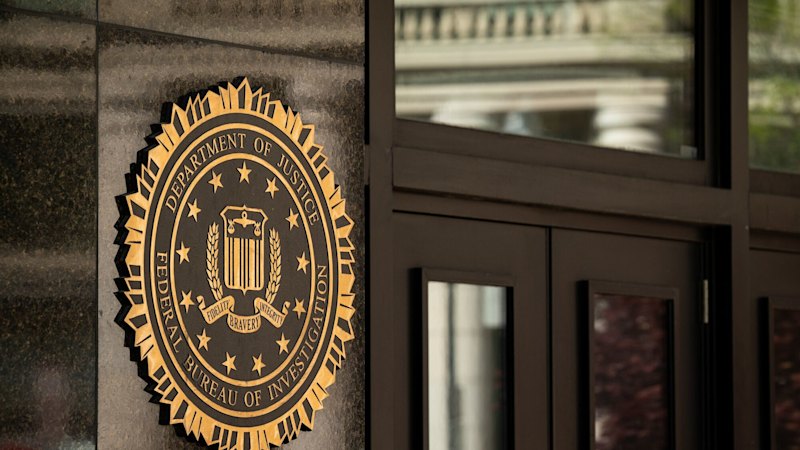
When a cybercrime collective manages to breach the nation's premier federal law enforcement agency, people panic. But the reality behind the headlines about the ShinyHunters group targeting the FBI is messier than a simple Hollywood-style cyber heist.
The notorious hacking group ShinyHunters claimed responsibility for an intrusion targeting the fbijobs.gov recruitment portal, subsequently leaking spreadsheets packed with granular career details, application logs, and employee identifiers. While federal officials downplayed the incident by labeling portions of the compromised files as historical, independent analysts and investigative reports quickly verified real employee profiles. If you found value in this piece, you might want to read: this related article.
Let's look at why this breach is a massive headache for counterintelligence, why the hackers' motives didn't involve a traditional ransom, and what it reveals about the fragile state of federal web infrastructure.
Why This Breach is a Counterintelligence Nightmare
Most data leaks are about financial extortion. Ransomware gangs lock down hospital databases or corporate billing systems and demand millions in cryptocurrency. This incident was different. For another perspective on this event, check out the recent update from Mashable.
ShinyHunters didn't launch a standard financial shakedown. Instead, their public statements claimed they were personally "offended" by official threat advisories and public statements warning organizations about their tactics. They demanded that the bureau retract its warnings, framing their actions around reputation management rather than a quick payday.
Regardless of their bizarre motive, the exposure of personnel data is a severe operational risk. When you leak details about individuals working on counterintelligence, electronic surveillance, and foreign threats involving nations like China and Russia, you hand hostile foreign intelligence services a roadmap.
The Myth of Invulnerable Government Networks
We assume federal agencies operate behind impenetrable digital walls. The truth is much more mundane. Government contractors and peripheral portals—like recruitment sites, public-facing applicant tracking systems, and human resources databases—often act as the weakest link.
The entry point for this attack appeared to leverage weaknesses tied to the recruitment site infrastructure. Agencies handle millions of background checks, resumes, and personal references from citizens applying for sensitive clearance roles. If an applicant portal lacks the rigorous zero-trust segmentation used on classified networks, it becomes a staging ground.
Attackers don't need to break into the main operational mainframe if they can harvest credentials or historical records from an adjacent HR database. Once those details land on dark web forums or get cross-referenced with commercial data brokers, the personal security of agents, analysts, and their families takes a direct hit.
What Happens Next in Federal Cybersecurity
The fallout from high-profile leaks usually triggers a predictable cycle. Congress demands hearings, agencies audit their third-party software vendors, and cyber units ramp up tracking operations against known threat actors.
Law enforcement agencies have already started pushing back with targeted arrests of individuals linked to the ShinyHunters infrastructure. Yet, arresting a few cybercriminals doesn't fix the underlying architecture. Until federal entities overhaul how they isolate public-facing application portals from sensitive internal personnel archives, these recruitment and HR databases will remain prime targets for groups looking to make a political or psychological statement.


