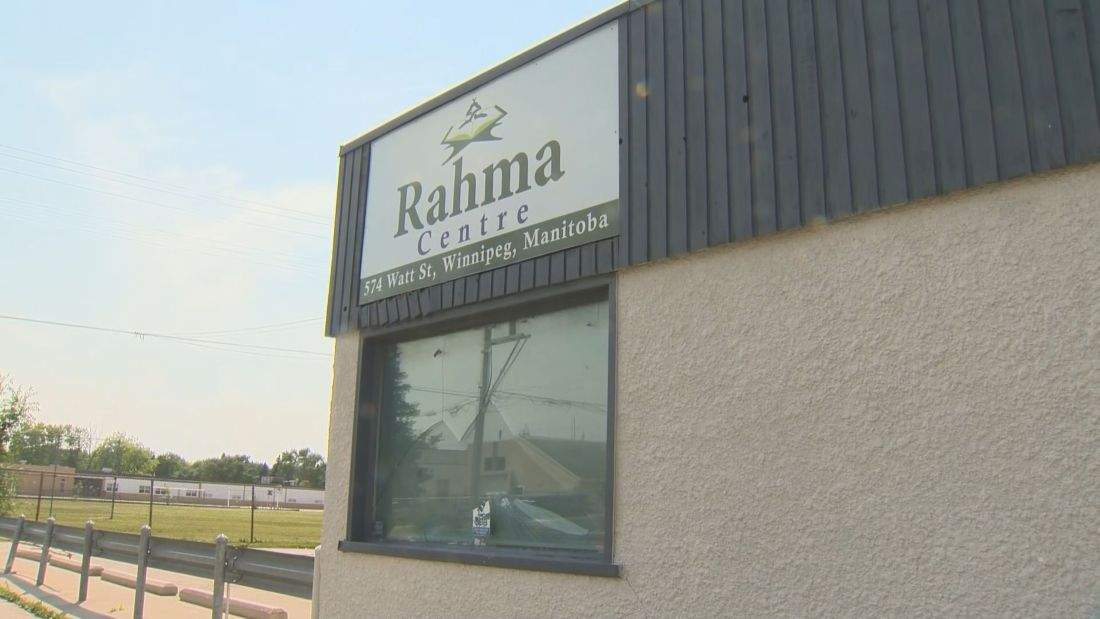
The broken glass on Watt Street tells only half the story.
Late Wednesday night, the quiet rhythm of the Rahma Islamic Centre in Winnipeg was violently interrupted when individuals targeted the building, shattering multiple windows and leaving behind a trail of destruction estimated at over three thousand dollars. While local media reports focused primarily on the physical cleanup of fresh window damage logged by the Winnipeg Police Service, the deeper narrative points to a terrifying escalation in targeted hostility. Community leaders and advocacy groups report that the facility was occupied by people inside when the attack occurred, preceded earlier in the evening by a drive-by incident where occupants of a vehicle screamed racially derogatory slurs at patrons.
Panic does not announce itself with a trumpet. It arrives in the dark with the sharp crack of impact and the crunch of safety glass giving way.
Anatomy of an Escalating Threat
Security footage recovered from the perimeter paints a disturbing picture of targeted harassment. According to statements from the National Council of Canadian Muslims, surveillance recordings captured two individuals approaching the exterior walls, with one aggressively striking the structure using a blunt object. More alarming are the accounts from mosque leadership indicating that shots may have been fired from a vehicle during the assault.
The Winnipeg Police Service has deployed its Major Crimes Unit and specialized hate crime coordinators to untangle the timeline. As of now, law enforcement officials have remained cautious, noting that while windows were definitively shattered and property damage is extensive, official confirmation regarding the alleged gunfire remains under active investigation.
This distinction matters. In criminal investigations, public safety depends on verifiable ballistics and forensic timelines rather than immediate assumptions. Yet for the congregants inside, the psychological impact remains identical regardless of whether the destruction was wrought by metal pipes, rocks, or bullets.
The Wider Climate of Fear
Winnipeg is not an isolated bubble. Across Canada, community advocates report an unnerving surge in anti-Muslim threats, vandalism, and open harassment over recent weeks. Incidents that once felt like distant anomalies reported from other metropolitan areas are now hitting home with alarming frequency.
When a place of worship transitions from a sanctuary of peace to a fortified target, the social contract frays. Mosques, synagogues, churches, and temples are architecturally designed to invite community in, not to keep malice out. They feature large windows, open entryways, and welcoming courtyards. Hardening these spaces requires a tragic compromise of their core purpose. Iron security bars, reinforced laminated glass, and closed-circuit monitoring systems change the atmosphere of a spiritual home.
Nobody goes to evening prayers expecting to dodge projectiles. Nobody leaves their shoes at the door anticipating a forensic investigation team by morning.
The Response and the Reality
Local authorities are urging anyone with dashcam footage from the Watt Street area or relevant surveillance clips to come forward. Public appeals are standard procedure, but they rarely satisfy a community grappling with the immediate aftermath of targeted hate.
Elected officials and community representatives gathered at the centre to address the public, offering solidarity and promises of increased patrol vigilance. Solidarity is necessary. Patrol cars parked outside offer a temporary balm. But increased police presence is a symptom-treatment, not a cure for the cultural rot that inspires individuals to hurl racial epithets at people arriving for evening prayer.
The structural damage on Watt Street will be repaired within days. The glass will be swept, the frames will be replaced, and the bills will be paid. Trust, however, takes significantly longer to rebuild when it is shattered from the outside in.