Don't buy into the hype that the recent Beijing summit fixed everything. When US President Donald Trump flew out of China earlier this month, the talking heads rushed to declare a permanent reset in superpowers ties. Trump bragged about selling 200 Boeing jets, securing $17 billion in agricultural purchases, and establishing what he called a close personal bond with Xi Jinping. He even teased a potential G2 power-sharing deal.
But handshake deals in Beijing don't automatically translate to peace on the waves of the South China Sea.
The real test of this fragile geopolitical truce happens on the ground—or more accurately, at the hotel bars and secure meeting rooms of the Shangri-La Hotel in Singapore. The 2026 Shangri-La Dialogue kicks off this Friday, running from May 29 to May 31. This isn't a scripted state dinner where leaders smile for the cameras. It's Asia's premier defense summit, a high-stakes arena where military chiefs, intelligence heads, and defense ministers face unscripted, uncomfortable questions about real security posture.
If you want to understand where the Indo-Pacific is actually heading, look past the trade numbers. Here is exactly what you need to watch as the Shangri-La Dialogue unfolds.
The Empty Chair and the Diplomatic Cede
The biggest story before the first speech even starts is who won't be there. Rumors from defense insiders suggest Chinese Defense Minister Admiral Dong Jun is skipping the Shangri-La Dialogue for the second consecutive year.
Instead of sending their top military official, Beijing plans to dispatch a lower-profile delegation, likely from the PLA National Defense University. This is a massive mistake for China, and honestly, a bit of a strategic head-scratcher.
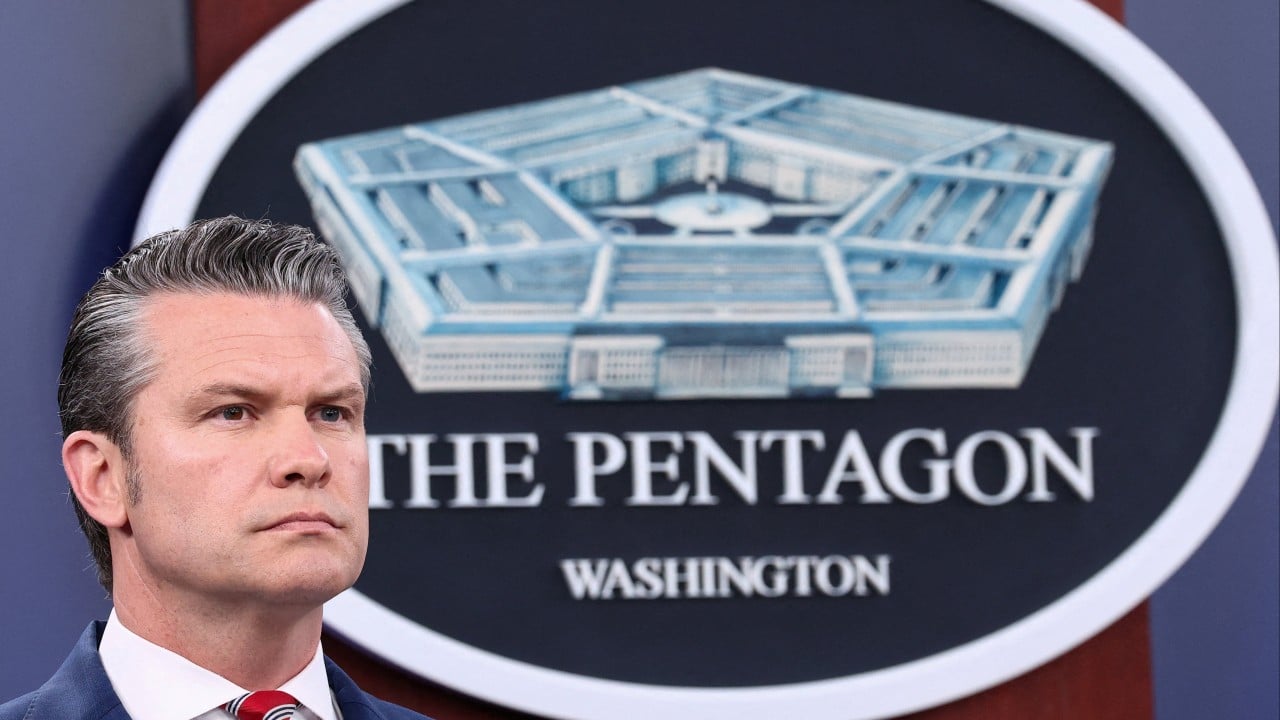
By staying home, Beijing cedes the narrative. US Secretary of Defense Pete Hegseth is attending fresh off his trip to Beijing with Trump. Hegseth gets a massive, uncontested platform to lay out the American security vision for the Indo-Pacific. Last year, Hegseth explicitly accused Beijing of trying to fundamentally alter the regional status quo. Without Dong Jun on stage to fire back on Sunday morning, China is letting the US write the script.
Why would China skip it?
Simple. Beijing hates unscripted environments. At Shangri-La, delegates don't just read prepared text. In 2023, a Philippine Coast Guard commodore directly confronted the Chinese defense minister over hostile actions in the South China Sea. China prefers its own, highly choreographed Xiangshan Forum in Beijing. But staying home sends a clear signal to Southeast Asia. It tells the region that China cares more about top-level bilateral deals with Washington than answering to its neighbors.
Taiwan as a Bargaining Chip
During the Beijing summit, Xi Jinping reportedly told Trump that Taiwan remains the absolute red line in bilateral relations. He warned Washington to handle it with the utmost caution.
But Trump threw a massive wrench into the gears right after. He publicly mused that US arms sales to Taiwan could be used as a bargaining chip with China.
That single comment sent shockwaves through Taipei and security circles across Asia. For decades, US support for Taiwan was treated as a matter of principle, backed by the Taiwan Relations Act. Turning defense hardware into a transactional negotiating lever changes the entire calculus.
At the Shangri-La Dialogue, look closely at how regional allies respond to this shift. Look at the timing of US actions. Trump delayed a second congressional arms package to Taiwan back in January to avoid upsetting the Beijing summit negotiations. Now that he's back, senators from both sides of the aisle are pushing him to sign off on the funded package.
Hegseth will face intense questioning behind closed doors in Singapore. Allies need to know if the US is still committed to integrated deterrence, or if Taiwan is genuinely up for sale in exchange for agricultural trade wins.
The Middle East Distraction
You can't talk about Asian security without looking at the rest of the world. The US-Israel military operation against Iran is now dragging into its third month. It's draining American diplomatic energy and military resources.
Trump recently stated he told his team not to rush into any deal with Iran, signaling a protracted conflict. This has Asian allies terrified.
Countries like Japan, South Korea, and Singapore rely heavily on energy supplies flowing through the Middle East. Any disruption to the Strait of Hormuz directly threatens global economic growth and Asian energy security.
More importantly, Asian leaders are looking for signs of American overstretch. They want to know if Washington's preoccupation with Iran means it's distracted from the Indo-Pacific. Hegseth's job in Singapore is pure reassurance. He has to convince a skeptical audience that the US can fight an economic and shadow war in the Middle East while maintaining a credible military deterrent against the PLA.
The data suggests it's an uphill battle. The 2026 State of Southeast Asia Survey shows that regional perceptions of US strategic influence and leadership have dropped significantly. If Hegseth sounds evasive about American long-term commitments, expect Southeast Asian states to lean even harder into Beijing's orbit.
The Trilateral Shadow
Keep your eyes on the sidelines. The formal speeches are for public consumption, but the real work happens during bilateral and trilateral side meetings.
Specifically, watch how Japan and South Korea behave. Both nations have spent the last few years tightening defense cooperation with Washington to hedge against China and North Korea. But Trump's unpredictable transactional foreign policy—like his recent threats to withdraw US troops from Germany—has everyone on edge.
If Tokyo and Seoul suspect that the US-China trade truce is built on a shifting foundation, they might start quietly diversifying their own diplomatic portfolios. Japan has already been testing its own quiet diplomacy with China. Watch for any joint statements out of the US-Japan-South Korea axis that signal anxiety over Trump’s direct deal-making with Xi.
What to Watch Next
The Shangri-La Dialogue isn't just an academic exercise. The arguments made over these three days will set the defense policy agenda for the rest of 2026. If you are tracking regional risk, stop watching the superficial trade announcements and focus on these concrete indicators over the weekend:
- The Chinese Delegation's Rank: See exactly who Beijing sends. If it's a mid-level academic delegation, it means China is officially treating Shangri-La as a hostile, Western-dominated forum and refusing to engage on regional flashpoints.
- The Keynote Tone: Vietnamese President To Lam is delivering the keynote address on Friday night. Vietnam is the ultimate hedging state. Watch how balanced his speech is. If he leans heavily on the importance of international law in the South China Sea, it's a direct, polite warning to Beijing's maritime expansion.
- The Taiwan Arms Package Indicator: Watch for news on whether Trump finalizes the delayed Taiwan arms package right after the dialogue finishes. If the package remains stalled, it proves the transactional "bargaining chip" strategy is officially active.
The Beijing summit bought the world some temporary breathing room, but the underlying structural friction between a rising China and an unpredictable America hasn't changed. The real temperature check happens this weekend in Singapore.


