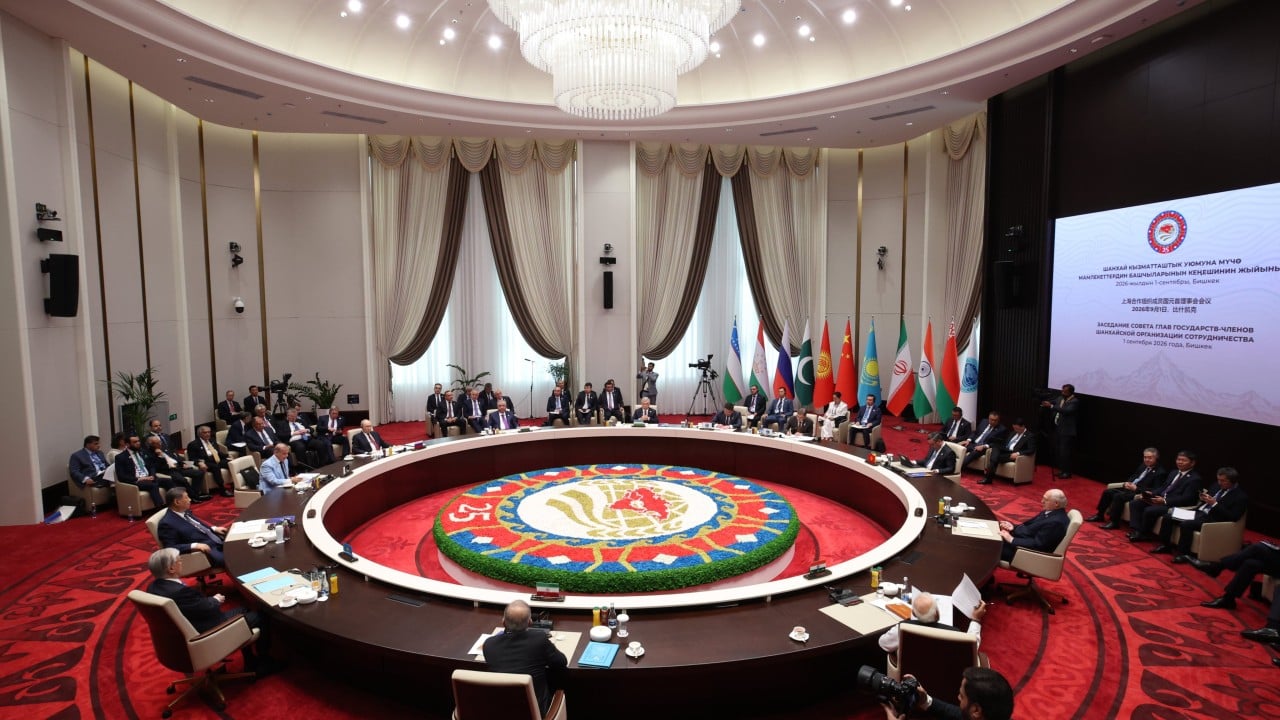
Geopolitical blocs rarely change overnight, but they do quietly rewrite the rules of international trade and infrastructure while everyone else is looking the other way. Chinese President Xi Jinping recently used the Shanghai Cooperation Organisation summit in Bishkek to push member states toward a much heavier footprint in global technology security. If you think this is just standard diplomatic filler, you're missing the broader shift.
For years, Western capitals dominated the standard-setting bodies for digital infrastructure, cybersecurity protocols, and telecommunications architecture. The SCO wants to crack that monopoly. With heavyweights like China, Russia, and India sitting at the same table alongside Central Asian and observer nations, this Eurasian bloc represents nearly half the world's population. When they decide to coordinate on data protection, AI governance, or hardware supply chains, tech markets listen.
The Real Agenda Behind the Bishkek Declaration
The recent adoption of the Bishkek Declaration explicitly points toward expanding cooperation in trade and technology. Xi's push isn't accidental. Supply chain disruptions and intense Western sanctions regimes have forced Beijing and Moscow to look for alternative frameworks that bypass traditional Western financial and digital clearing systems.
You have to look at what happened on the ground. Leaders from across Eurasia gathered not just for photo ops, but to lock down digital sovereignty initiatives. Countries in the Global South are increasingly tired of relying on tech stacks controlled entirely by a handful of Western nations or Silicon Valley giants. When a security bloc starts talking about technology governance, it usually means creating localized alternatives for cloud computing, cross-border payments, and telecommunications networks like 5G and upcoming 6G standards.
Why This Matters for Global Markets
Technology fragmentation is accelerating. We are moving away from a single, open internet toward splintered regional digital ecosystems. If SCO members successfully harmonize their tech security policies, foreign companies operating within those borders will face entirely different compliance hurdles.
Take data localization laws, for instance. Russia and China already enforce strict rules about where citizen data lives. Expanding these concepts across the broader SCO network means hardware manufacturers and software developers must build products tailored to specific regulatory walls. Compliance costs will soar. Small tech firms will struggle to keep up.
Furthermore, India's balancing act within the group remains fascinating. New Delhi participates actively in the SCO to secure its strategic interests in Central Asia and manage regional stability, yet it maintains deep technological ties with Western economies. How India navigates these competing technical standards will dictate whether the SCO becomes a truly unified technological block or remains a loose coalition of convenience.
What Comes Next for Digital Sovereignty
The days of frictionless global technology transfer are fading fast. Western export controls designed to starve adversaries of advanced semiconductors have only sped up indigenous tech development within the SCO footprint. Beijing is doubling down on domestic supply chains, and its partners are eager to insulate their own critical infrastructure from foreign interference.
Expect more regional agreements on cybersecurity sharing and joint digital infrastructure projects over the next few years. The architecture of the internet is being redrawn along geopolitical lines. Pay attention to the technical standards coming out of Eurasian forums, because they will dictate who sells what, and to whom, for the next decade.