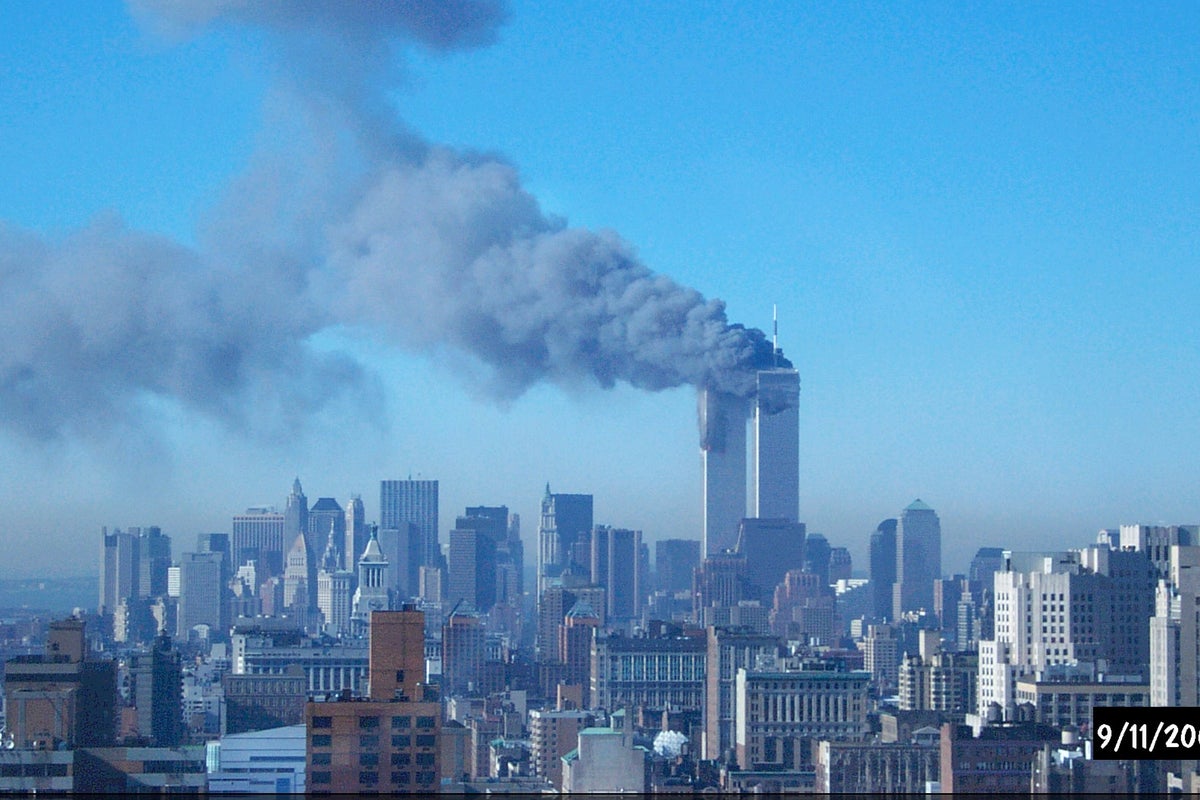
History isn't just dates in a textbook. Sometimes it's a permanent shift in how you move through the world. Twenty-five years after September 11, the reality of that day refuses to stay locked in the past. It lives in the metal detectors at train stations, the reinforced cockpit doors of commercial airliners, and the quiet anxieties of a generation that grew up watching towers fall on repeat. Most conversations about that anniversary focus on grief or politics. They miss the human architecture. Millions of people carry the structural weight of that morning without ever realizing how deeply it alters their daily choices.
You cannot understand modern society without looking at the invisible threads connecting 2001 to today. Security theater, surveillance creep, and generational trauma didn't arrive by accident. They were engineered in panic and sustained by habit.
The Architecture of Constant Vigilance
Walk into any federal building, airport, or major stadium today. You hand over your bag, take off your shoes, and step through a scanner. This ritual feels normal now. It isn't. Before that Tuesday morning, airport security meant walking through a simple metal detector while gate agents checked paper tickets.
The creation of the Transportation Security Administration changed the psychological contract between citizens and public spaces. Safety became something you had to perform continuously.
Children born after the towers fell now work as TSA agents, police officers, and soldiers. They operate inside a security apparatus built before they could walk. Government spending shifted permanently. The Department of Homeland Security swallowed billions of dollars annually, creating an industrial complex focused on threat mitigation. We traded privacy for the promise of prevention. Did it work? Sometimes. But the cost was high. You lost the simple luxury of walking a loved one to the boarding gate without a boarding pass. That freedom vanished overnight.
Raising a Generation in the Shadow
If you were a child in 2001, your worldview fractured early. Classrooms across the country paused instruction to watch cable news feeds of smoke billowing over New York and Washington. Teachers tried to keep their voices steady. They failed. Kids absorb fear from the adults around them like dry sponges.
The psychological footprint of that era expresses itself in unexpected ways. Studies tracking mental health trends over the last two decades show a steady climb in generalized anxiety among young adults. Part of this stems from the digital age, sure. But a massive chunk traces back to growing up in a country perpetually told it was under imminent threat.
Families changed too. Enlistment numbers spiked in the years following the attacks. Thousands of teenagers walked out of high school graduation ceremonies straight into recruiting offices. They felt a raw, urgent pull to defend the country. Many of those who deployed returned home with invisible injuries. Post-traumatic stress disorder didn't just affect active-duty service members. Spouses, children, and parents absorbed the shockwaves of endless deployments to Iraq and Afghanistan.
The Tech and Privacy Trade-Off
Before the attacks, mass digital surveillance sounded like a paranoid sci-fi plot. Afterward, it became official policy. The USA PATRIOT Act rushed through Congress with barely any debate. Law enforcement agencies gained sweeping powers to monitor communications, track financial transactions, and collect data without traditional warrants.
Tech companies grew up alongside this new surveillance state. Silicon Valley built algorithms capable of tracking your location, preferences, and personal connections. The government found willing partners in tech giants eager to monetize user data while state agencies used those same pipelines for intelligence gathering.
You agreed to terms of service you never read because safety felt fragile. Every time you unlock your phone with facial recognition or accept a cookie banner on a website, you interact with infrastructure born from the security panic of late 2001. Privacy didn't die all at once. It eroded in tiny, convenient increments.
Where We Go From Here
Memory fades if you let it. Monuments get built, politicians give speeches, and television networks broadcast solemn retrospectives once a year. Then everyone goes back to normal.
Except normal isn't what it used to be.
Recognizing how deeply that single morning shaped your daily reality gives you back a tiny slice of control. Question the unnecessary intrusions into your privacy. Notice when fear dictates policy instead of reason. Talk to the people who remember life before the world sped up and locked down. Acknowledge the weight. Understanding where the chains came from is the only way to decide which ones are actually worth keeping.