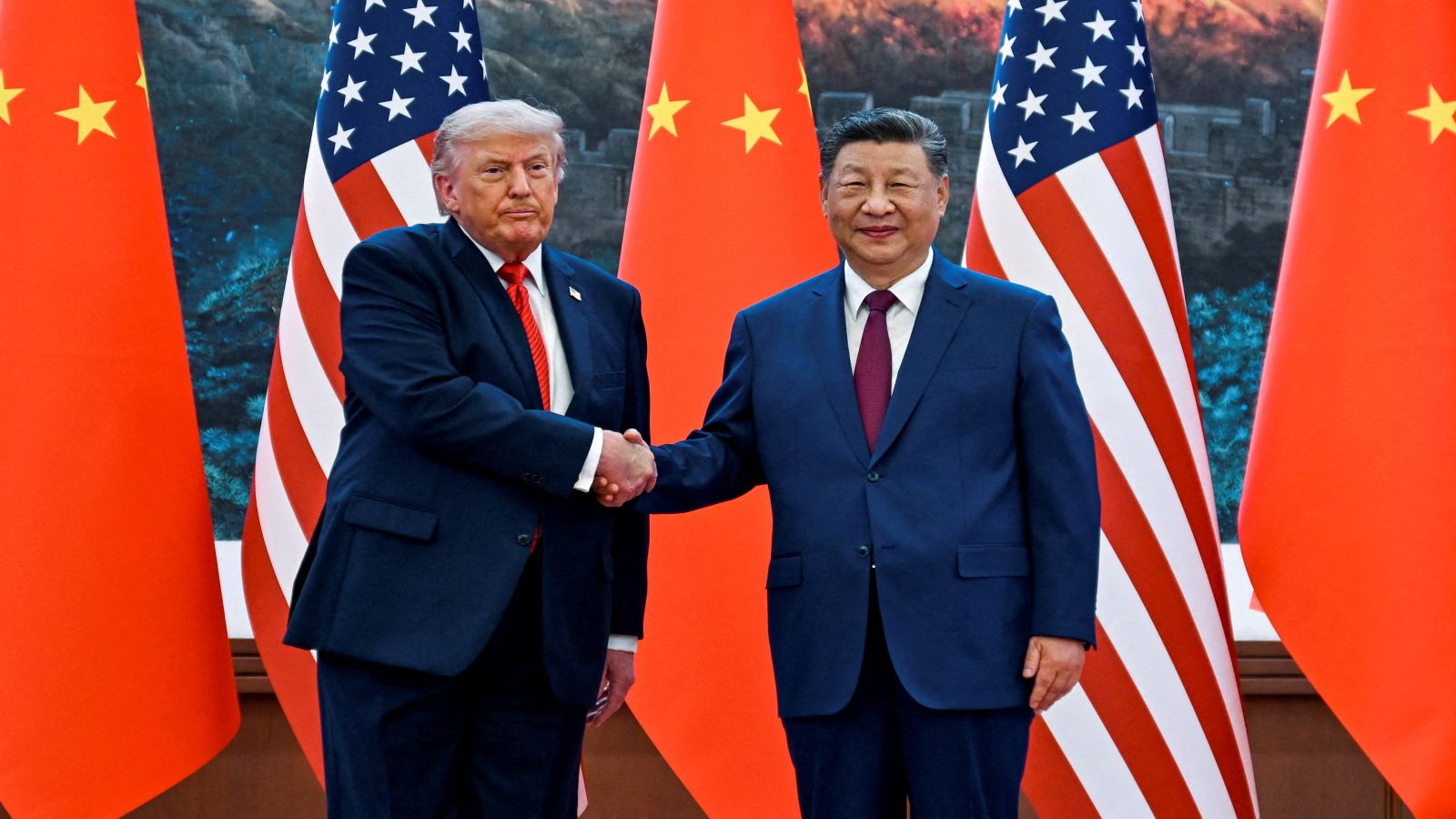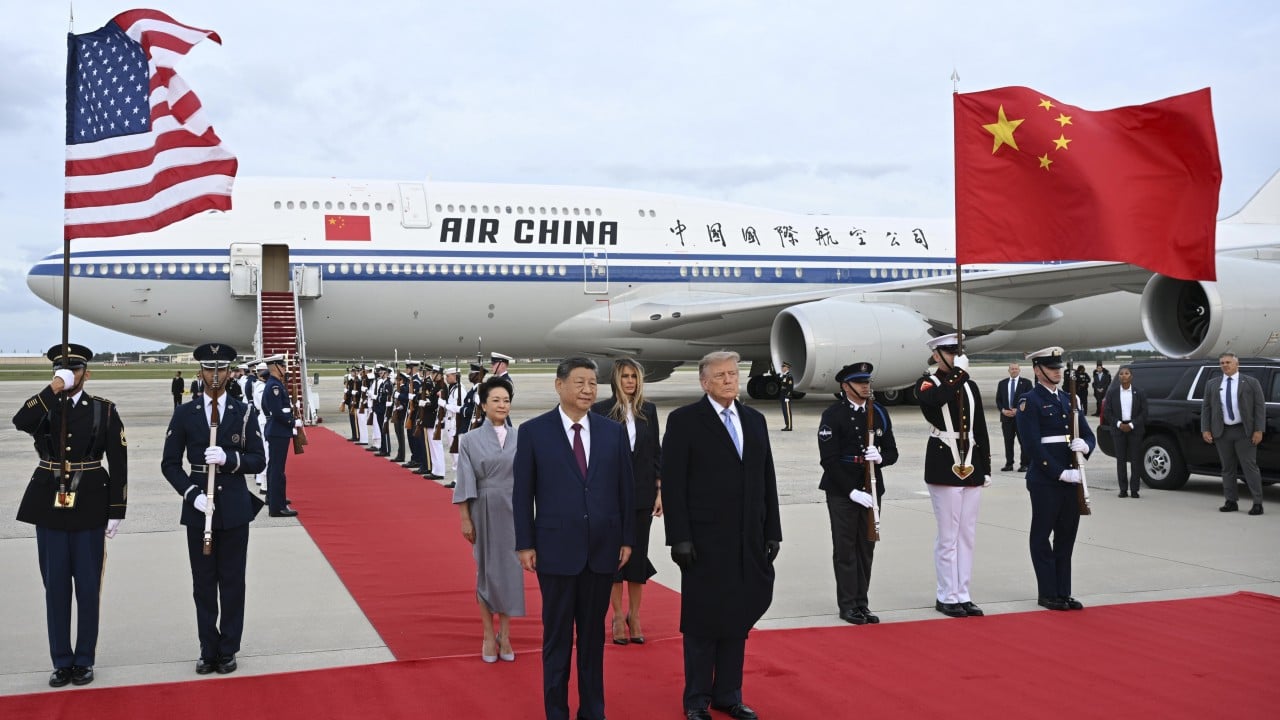
The private jet traffic between Beijing and American coastal hubs tells a story far more calculating than ordinary corporate travel. When prominent Chinese chief executive officers quietly board flights to the United States ahead of high-level diplomatic summits, they are not arriving as passive tourists hoping for a lottery ticket invitation. They are executing a meticulously planned positioning strategy. They land on their own dime, secure temporary quarters in Manhattan or Silicon Valley, and wait. They hover near the epicenter of bilateral power, lingering just outside the cordoned-off perimeters where state dinners and closed-door CEO roundtables are negotiated.
This modern ritual of corporate supplication reveals the profound anxiety gripping China's private sector. For years, these executives built empires under the banner of national champions or agile private innovators, thriving in a domestic market increasingly shaped by state directives. Now, caught in the crosshairs of deepening geopolitical fragmentation, technological decoupling, and tightening domestic oversight, their survival depends on preserving access to Western capital, semiconductor supply chains, and consumer markets. Flying across the Pacific uninvited is an act of calculated desperation. It is a visible signal to both Washington policymakers and Beijing authorities that these corporate titans remain willing to run the gauntlet of diplomatic hostility to keep global trade channels open. For a deeper dive into this area, we suggest: this related article.
The Mechanics of Transnational Corporate Anxiety
To understand why a billionaire founder of a multi-billion-dollar enterprise would park themselves in a foreign hotel room on the off-chance of securing a seat at a banquet table, one must examine the fragility of the contemporary Chinese corporate model. The domestic economic engine has slowed. Consumer confidence inside China remains subdued, regulatory crackdowns on the technology sector left deep psychological scars, and property market tremors continue to rattle investor sentiment.
For these executives, domestic growth is no longer sufficient to justify sky-high valuations or satisfy shareholders. They need global integration. Yet, integration has become a minefield. Washington views advanced technology companies originating from the mainland through an uncompromising national security lens. Export controls on semiconductors, investigations into data security, and the looming threat of sweeping foreign investment restrictions have turned the United States market from a land of opportunity into a hostile jurisdiction. For additional details on the matter, comprehensive coverage is available at Forbes.
When a leader of a major Chinese firm flies across the ocean uninvited, they are attempting a delicate balancing act. They must signal alignment with Beijing's overarching geopolitical posture while simultaneously demonstrating enough independence to appease Western regulators. It is a high-stakes gamble. If they stay home, they risk irrelevance as supply chains reorganize around "friend-shoring" principles. If they travel and fail to secure meetings, they risk looking weak or, worse, drawing unwanted scrutiny from state security apparatuses back home that monitor the movements of wealthy entrepreneurs with suspicion.
The Diplomacy of Empty Chairs
State dinners involving heads of state are rarely spontaneous gatherings of kindred spirits. Every seat at the high table is assigned through months of arduous bargaining between diplomatic protocol officers, intelligence agencies, and corporate relations teams. When a foreign executive arrives in town hoping for a last-minute seat filler slot, they are participating in a shadow theater of influence.
The United States government holds immense leverage in this dynamic. Inviting a prominent Chinese executive to a prestigious state banquet or an exclusive business roundtable can be interpreted as a political gesture. It can signal a thaw in diplomatic relations or an openness to targeted economic engagement. Conversely, leaving them out in the cold sends an unmistakable message of deterrence.
During previous diplomatic exchanges, corporate attendance lists became battlegrounds for strategic signaling. American officials must weigh the domestic political optics of hosting executives from firms accused of intellectual property theft, state subsidization, or human rights complicity against the pragmatic need to keep communication lines open with the world's second-largest economy. For the executives waiting in nearby hotels, the silence from the host government's scheduling committee is deafening. They spend their days in back-to-back meetings with American lobbyists, institutional investors, and trade lawyers, trying to find a backdoor into rooms that remain firmly bolted from the inside.
The Domestic Tightrope Walk
The risk profile of this transatlantic pilgrimage extends far beyond American shores. Every public appearance an executive makes in the West is scrutinized through a magnifying glass by regulators and party officials in Beijing.
The Chinese leadership operates under a clear doctrine of national self-reliance. While the state occasionally deploys corporate leaders as economic ambassadors during trade missions, independent lobbying by billionaires trying to cut separate deals with Western governments can easily be misconstrued as disloyalty. In an environment where political compliance trumps market efficiency, an executive who spends too much time currying favor in Washington risks falling out of favor at home.
This duality forces corporate chiefs into an impossible posture. They must project unwavering patriotism to domestic audiences while whispering assurances of market neutrality to foreign stakeholders. They fund domestic technological substitution programs while quietly maintaining foreign supply chain dependencies. When they fly to the United States uninvited, they expose the seams of this contradiction. They demonstrate that despite years of rhetorical emphasis on domestic consumption and self-sufficiency, the lifeblood of their enterprises still depends on the stability of the trans-Pacific bridge.
The Structural Realities of Decoupling
The spectacle of executives waiting for an invitation highlights a deeper structural truth about the current global economy. Economic interdependence cannot be severed by executive order or political rhetoric overnight, but it is certainly being subjected to a slow, grinding fracture.
Traditional globalization, defined by frictionless capital flows, optimized supply chains, and borderless technology platforms, is being replaced by a fragmented, security-driven mercantilism. In this new era, corporate strategy is subservient to grand strategy. CEOs are no longer just managers of profit and loss; they are frontline combatants in a silent economic war.
The billionaires lingering in foreign hotels are confronting the reality that their business models were built for a world that no longer exists. That world allowed them to scale rapidly by bridging two ideological systems. The new world demands absolute allegiance to one side or forces an agonizing decoupling.
As the motorcade departs for the state dinner without them, these executives return to their suites to review quarterly earnings reports and risk assessments. The glittering banquet hall across town remains distant, a physical manifestation of a political chasm that no amount of private wealth or lobbying skill can easily bridge. The private jet engines will soon spool up for the long flight back east, carrying leaders who came seeking a seat at the table, only to realize the table itself is being dismantled piece by piece.