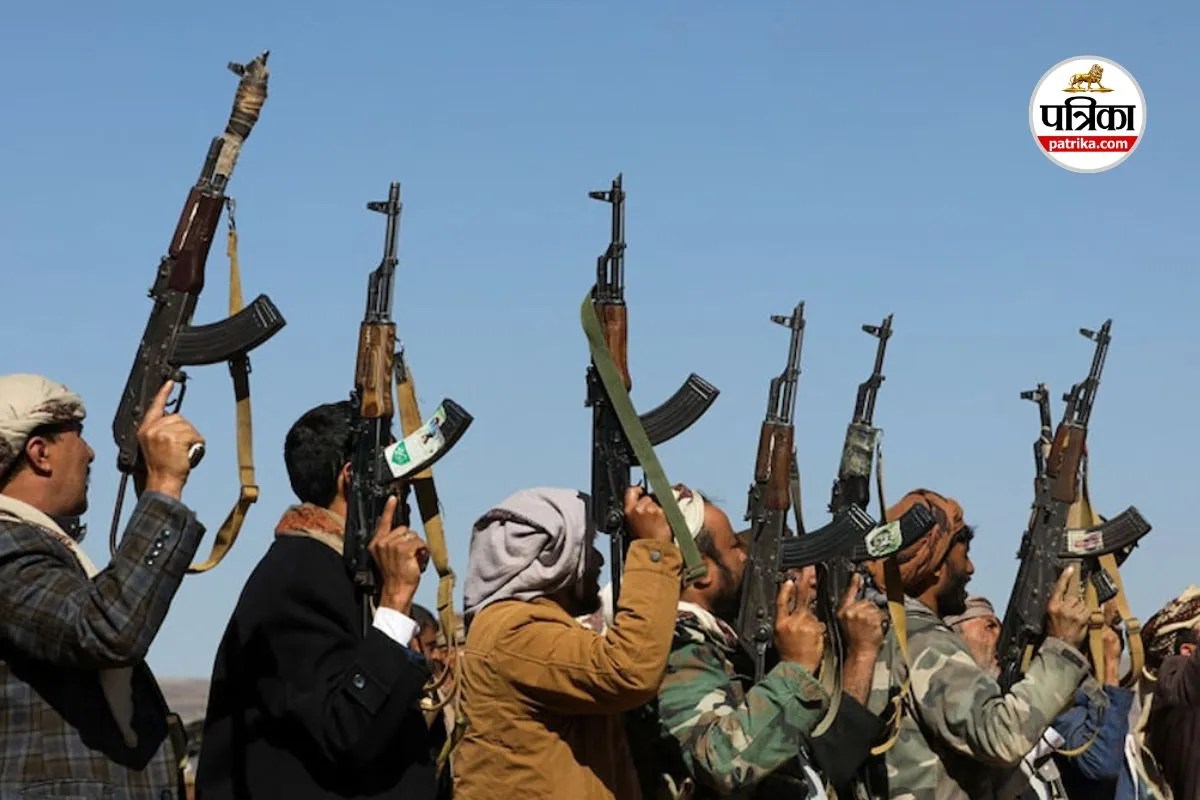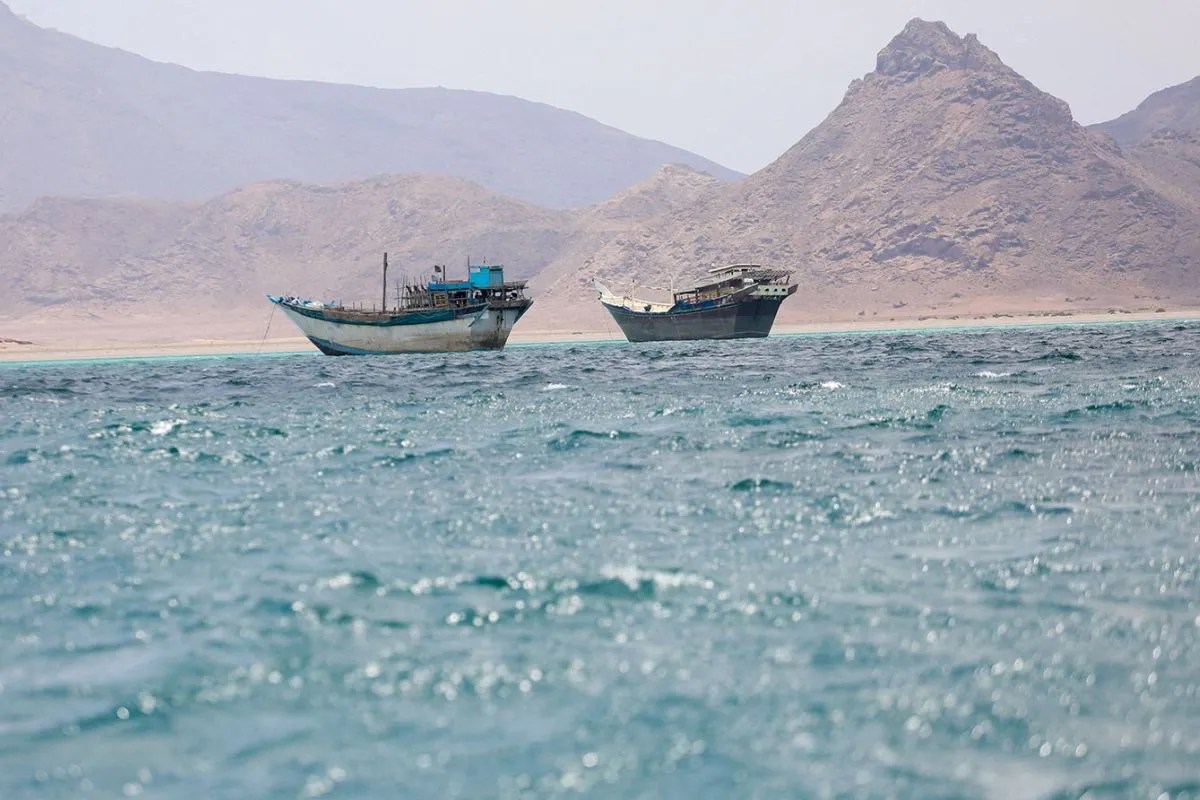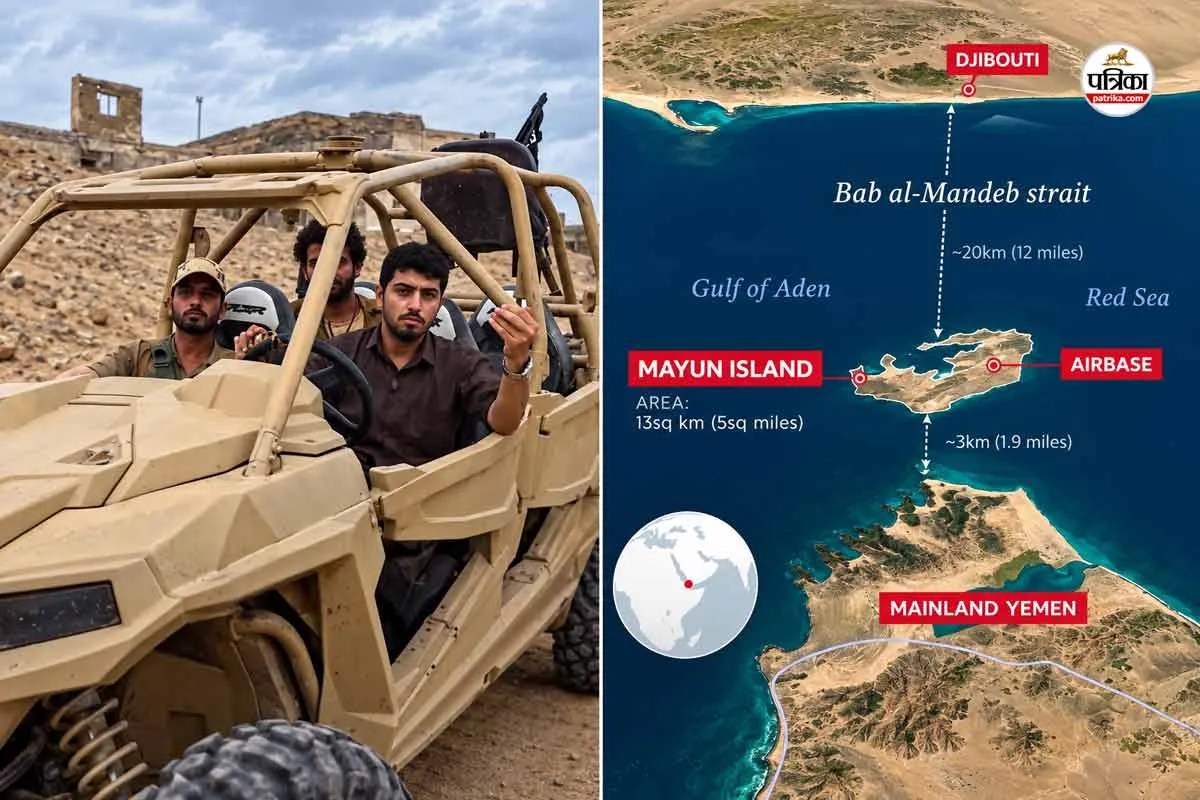
On a single searing September day, roughly 1,400 Yemenis packed themselves into small wooden skiffs and crossed the twenty miles of open water separating the Arabian Peninsula from the Horn of Africa. They landed on the arid shores of Obock, Djibouti, escaping an abrupt military offensive by Houthi forces along Yemen's volatile Red Sea coastline. This sudden spike in maritime displacement is far more than a momentary flash in refugee statistics. It represents the violent fracture of communities caught between entrenched armed factions, shifting naval control, and a regional humanitarian apparatus running on empty fumes.
When the numbers hit the desks of international monitors, the initial reaction was sheer alarm. Fourteen hundred arrivals in twenty-four hours signaled that the fragile containment walls keeping Yemen's long-running war from spilling across maritime boundaries had cracked wide open. For years, observers tracked the slow burn of Yemen's internal conflict. Yet, the recent intensification of hostilities along the western littoral has rewritten the displacement equations entirely. Families who had endured years of economic strangulation and localized skirmishes suddenly found themselves directly in the crosshairs of an aggressive territorial push, leaving flight across the Bab al-Mandeb Strait as their sole remaining option for survival.
The Anatomy of a Sudden Maritime Flight
To understand how fourteen hundred people make the desperate decision to board overloaded boats within a single day, one must examine the military mechanics on the ground. Houthi forces launched a rapid offensive aimed at securing vital Red Sea coastal positions, clashing heavily with internationally recognized Yemeni government forces. The fighting was fierce, destructive, and indiscriminate in its disruption of civilian life. Infrastructure collapsed overnight. Water stations failed, electricity grids went dark, and residential neighborhoods became active battlefields.
According to United Nations tracking agencies, domestic displacement inside Yemen skyrocketed in the weeks preceding the surge, with tens of thousands of individuals driven from their homes. When the frontlines shift with lightning speed, civilians do not have days to deliberate. They pack what they can carry in plastic sacks, walk toward makeshift ports, and pay exorbitant fees to boat operators willing to risk the treacherous crossing.
The Bab al-Mandeb Strait is one of the busiest commercial shipping lanes on earth, but for those fleeing war, it is a gauntlet. Many of the boats arriving on Djibouti's shores run completely out of fuel before reaching land. Others battle brutal offshore winds, towering swells, and mechanical failures. Passengers arrive dehydrated, seasick, and traumatized. The demographic makeup of these arrivals tells its own grim story. Women, infants, and elderly residents dominate the manifest. These are not combatants seeking a tactical retreat; they are non-combatants stripped of every buffer against total destitution.
Why Djibouti Stands Alone on the Frontline
Djibouti is geographically cursed by its proximity to conflict zones. As one of the smallest nations in East Africa, it punches far above its weight in hosting displaced populations, but its capacity is dangerously finite. The country already accommodates tens of thousands of refugees from neighboring crises, stretching its basic public services, healthcare networks, and municipal infrastructure to breaking point.
The arrival point for the Yemeni influx is Obock, a desolate coastal town where temperatures routinely soar past tolerable limits. Here, the Markazi refugee camp serves as the primary reception center. Established years ago during earlier phases of the Yemeni war, Markazi was never designed to absorb sudden, high-volume shocks of new residents. Tents bake under the desert sun. Local clinics, staffed by skeletal medical teams, struggle to treat children suffering from acute malnutrition, waterborne illnesses, and heat exhaustion.
Djibouti's government has maintained an open-door policy, a humanitarian stance that stands in stark contrast to the restrictive border policies seen in wealthier Western states. Yet, goodwill does not pay for clean water, medicine, or shelter materials. Djiboutian officials have repeatedly warned that the country's absorption ceiling is rapidly approaching. When an additional fourteen hundred people land on a Tuesday, local authorities must scramble to find food rations and medical supplies that simply do not exist in local warehouses.
Funding Shortfalls and the Humanitarian Void
The international community's response to the Obock crisis exposes a glaring disconnect between diplomatic rhetoric and financial reality. High-level delegations issue solemn statements expressing deep concern over the plight of Yemeni refugees, but donor conferences tell a vastly different story.
United Nations agencies, including the High Commissioner for Refugees and the International Organization for Migration, have sounded multiple alarms regarding critically underfunded operational budgets. UNHCR operations inside Djibouti have operated on razor-thin margins, with funding streams covering only a fraction of what is required to maintain basic protection, registration, and health services. When appeals for tens of millions of dollars go unanswered or under-fulfilled, the deficit manifests directly in human suffering. Rations are cut. Medical supplies run out. Educational programs for refugee children vanish entirely.
This donor fatigue stems from a crowded geopolitical stage. With simultaneous humanitarian catastrophes unfolding across multiple continents, donor states find their attention and treasuries divided. Yet, treating the Red Sea crisis as a secondary priority carries profound local costs. If organizations cannot provide basic sustenance in Obock, refugees face an impossible dilemma: remain in squalid, under-resourced camps or attempt even riskier secondary movements across the continent.
The Geopolitical Stakes of the Bab al-Mandeb Strait
The surge of refugees arriving in Djibouti cannot be separated from the broader strategic struggle for control over the southern entrance to the Red Sea. The Red Sea littoral remains a vital artery for global commerce, energy transport, and geopolitical positioning. When armed actors compete for dominance over ports and coastal highways, the civilian population bears the immediate brunt of the violence.
The Houthi consolidation along Yemen's western seaboard has sent shockwaves through international shipping corridors and foreign ministries alike. While global media focuses heavily on the implications for container ships and energy tankers navigating the chokepoint, the human toll on the opposite shore receives far less sustained scrutiny. Every military advance on the mainland directly translates into human displacement on the water.
Furthermore, the maritime corridor is bidirectional, compounding the administrative and security challenges facing Djibouti. While thousands of refugees flee south across the water to escape war, migrants from the wider Horn of Africa continue traveling in the opposite direction, attempting to reach the Arabian Peninsula in search of employment. This dual-flow dynamic creates a chaotic intersection of vulnerability. Stranded migrants and fleeing refugees cross paths in coastal camps and transit hubs, each group desperate for scarce humanitarian assistance.
Life Inside the Markazi Encampment
Walking through the Markazi refugee camp reveals the quiet dignity of families living in prolonged limbo. Makeshift awnings constructed from scrap wood and tarpaulins attempt to block the relentless desert wind. Inside these structures, conversations invariably circle back to the homes left behind—houses abandoned in haste, businesses shuttered by artillery fire, and relatives lost along the way.
The psychological toll on children is particularly acute. Having spent their formative years under the threat of airstrikes and shelling, they now face the monotony and deprivation of camp life. Educational facilities are rudimentary at best. Classes are held in overcrowded tents where blackboards are propped up against splintered tent poles. Teachers attempt to maintain a sense of normalcy, but they lack textbooks, writing materials, and basic classroom infrastructure.
Health professionals on site report rising rates of respiratory infections and gastrointestinal diseases, driven by inadequate sanitation facilities and brackish water supplies. Water trucks are an absolute lifeline for the camp, and any delay in fuel deliveries for those trucks instantly triggers a crisis. In an environment where every drop of water is meticulously rationed, hygiene is a daily struggle rather than a baseline standard.
The Broader Regional Ripple Effects
The implications of this refugee surge extend far beyond Djibouti's immediate borders. Neighboring states in East Africa are watching the situation with mounting nervousness. If the conflict in Yemen deepens and maritime displacement becomes a persistent long-term trend, the entire regional security architecture will face severe strain.
Host governments in the region are acutely aware that unresolved humanitarian crises rarely stay contained. Without solid financial backing and viable pathways for refugee integration or resettlement, social tensions can flare between host communities and displaced populations competing for limited local jobs and resources. Djibouti has managed these pressures remarkably well for years, but the sheer velocity of recent arrivals threatens to overwhelm historical goodwill.
The international response framework must adapt to these rapid escalation cycles. Traditional funding models—relying on slow-moving donor pledges and bureaucratic disbursement schedules—are fundamentally unsuited for crises where thousands of people cross an international sea border within twenty-four hours. What is required is an agile, pre-positioned emergency response capability that can deploy resources before camps like Markazi reach total saturation.
The fourteen hundred people who landed in Obock on that single day are a stark reminder that conflicts do not remain neatly localized within national borders. They ripple across the water, washing ashore on fragile coasts and testing the limits of human solidarity. As long as the guns remain active along Yemen's western coastline, the small ports of Djibouti will continue to watch the horizon, waiting for the next fleet of overloaded skiffs to emerge from the haze.
For a closer look at the logistical strains facing the region, watch this report on Djibouti struggles to shelter thousands of Yemeni refugees. This footage illustrates the severe shelter shortages and humanitarian strains experienced by refugees arriving in Djibouti.