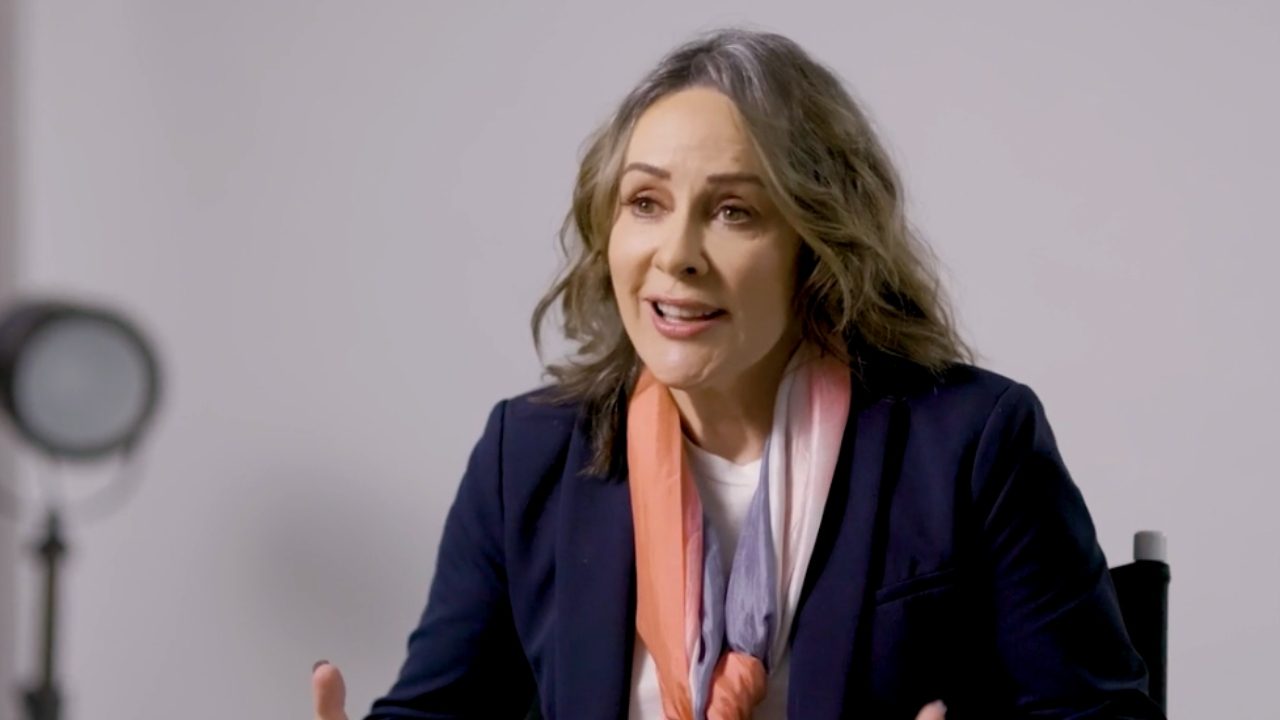
The internal war over international broadcasting has entered a strange new phase. When President Donald Trump nominated Sarah B. Rogers to run the U.S. Agency for Global Media, the parent organization of Voice of America, it signaled a shift in how the administration plans to handle the beleaguered news outlet.
If you've been following the chaos, you know VOA spent the last year caught in a massive legal meat grinder. Former leadership sidelined over a thousand employees on administrative leave, slashed budgets, and shuttered core programming. Then federal courts stepped in, judges drew lines in the sand, and the entire agency fractured into competing factions of legal appeals and returning staffers. Discover more on a connected topic: this related article.
Enter Rogers. Her nomination to head USAGM brings a fresh legal background into the spotlight, contrasted sharply against the turbulent tenure of Kari Lake. But getting journalists back through the doors of the Cohen building isn't just a matter of unlocking the front gates. The real story is the deep institutional damage left in the wake of those administrative leaves, and why bringing staff back is turning into a bureaucratic nightmare.
The Legal Quagmire Behind the Return to Work
Let's look at what actually happened on the ground. U.S. District Judge Royce Lamberth delivered a series of blistering rulings finding that previous leadership actions lacked a principled basis and violated statutory minimums. He ordered thousands of VOA personnel off administrative leave and back to their desks. Further reporting by The New York Times highlights similar views on this issue.
That victory for journalists proved short-lived. A federal appeals court quickly hit pause on the return-to-work order, throwing the agency back into limbo.
Amid this ping-pong match of judicial orders, Rogers was tapped for the permanent CEO slot, while temporary leadership tried to steer the ship. Some employees actually received phone calls inviting them back before the appellate stay took effect. Those who showed up described an eerie, hollowed-out workplace. Entire language services had been gutted. Overseas contractors on J-1 visas had already faced sudden disruptions, forcing many to uproot families or scramble for legal footing.
Why Rebuilding VOA Trust Takes More Than a Court Order
You can reinstate an employee badge, but you can't restore global credibility overnight. Insiders inside the network point out that VOA's primary asset for decades has been its audience trust. When broadcasts go dark or pivot abruptly, foreign listeners notice.
In places like Iran, where the Farsi service functioned as a lifeline for independent news, audiences moved on. Rebuilding that footprint means competing against state-backed media from adversarial nations that happily filled the vacuum left by the shutdowns.
Furthermore, staff morale remains completely fractured. The legal battles weren't abstract policy disputes; they involved real people suing their own agency just to get back to work. White House bureau chief Patsy Widakuswara and other prominent staffers have made it clear that repairing the institutional wreckage will take years, not weeks.
What Comes Next for Rogers and USAGM
Rogers faces an uphill climb that goes way beyond winning a Senate confirmation vote. She inherits an agency split down the middle by litigation, stripped of key personnel, and operating under intense partisan scrutiny.
If the courts ultimately let the reinstatement orders stand, the agency will have to absorb hundreds of returning journalists into an infrastructure that has been fundamentally altered. If the administration's broader push to shrink the footprint of federal international broadcasting wins out, VOA might never look the same again.
Either way, treating this as a simple bureaucratic shuffle misses the bigger picture. The fight over VOA is a proxy war over the role of state-funded media in an era of deep political polarization. Keep an eye on the Senate confirmation hearings for Rogers, because they will expose exactly how the administration plans to handle the intersection of public diplomacy, federal authority, and the free press.