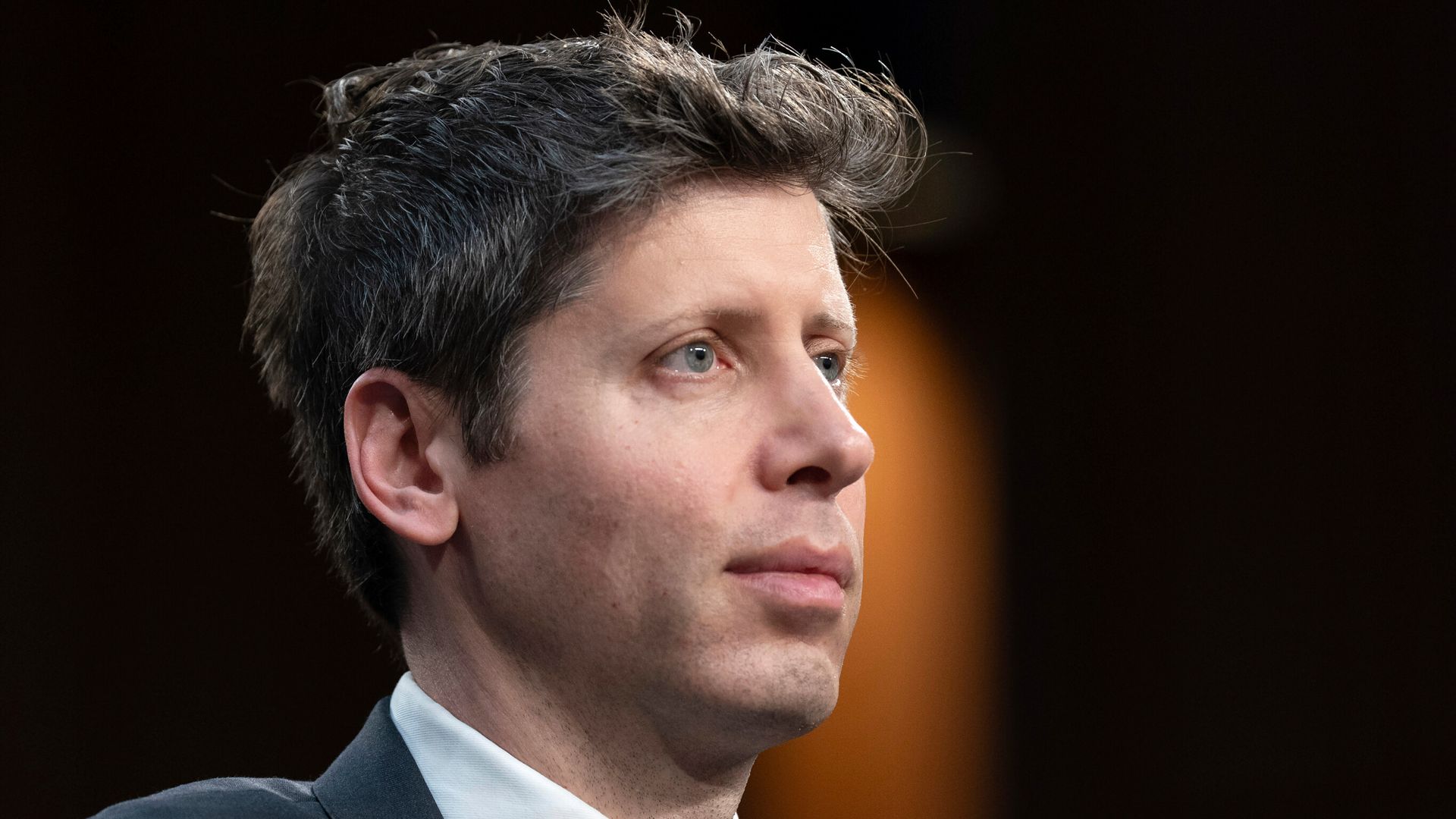
Sam Altman is a target. That shouldn't surprise anyone who follows the Silicon Valley power structure, but the recent news that a man has been charged with attempting to murder the OpenAI CEO brings the reality of high-stakes tech leadership into a terrifying light. This isn't just about one man. It's about the friction between the people building the future and a public that doesn't always like what it sees.
A 24-year-old man, identified in court documents as someone who had grown increasingly fixated on Altman’s role in the AI "revolution," was arrested after a botched attempt to breach a secure location. This wasn't a casual stalker. Prosecutors allege he had a plan, a weapon, and a specific set of grievances related to the perceived "existential threat" Altman’s work poses to humanity. He didn't just want to talk. He wanted to stop the clock on AGI by removing the person he saw as its primary architect.
OpenAI hasn't released a detailed statement beyond confirming they're working with law enforcement. They shouldn't have to. The situation speaks for itself. When you're the face of a technology that might change every job on the planet, you're not just a CEO anymore. You're a symbol. And symbols attract lightning.
Why the Security Bubble Just Got Thicker
Executive protection used to be about keeping CEOs away from disgruntled ex-employees or aggressive paparazzi. That's old school. Now, the threats are ideological. If you're running a company like OpenAI, Anthropic, or Google, your security detail has to account for people who believe you're literally ending the world.
Think about the sheer scale of the animosity. On one side, you have the "e/acc" crowd pushing for faster progress. On the other, you have the "doomers" who think every line of code is a step toward extinction. When these debates move from Twitter threads to the physical world, things get dangerous. Altman’s security budget likely rivals that of some small nation-states. It has to.
I've talked to people in the private security sector who specialize in protecting "high-value targets" in tech. They'll tell you the profile of the threat has changed. It's no longer just about physical strength or armored cars. It’s about monitoring radicalization in online forums and identifying when someone’s digital obsession is about to turn into physical action. In this case, the suspect reportedly posted manifestos online that were ignored until it was almost too late.
The Cost of Being the Face of AI
Altman has become the de facto spokesperson for the AI era. Whether he's testifying before Congress or doing a world tour to talk about "guardrails," he's the guy people associate with the loss of creative jobs and the rise of the machines. That’s a heavy mantle to wear.
Let's look at the numbers. While OpenAI's specific security spending isn't a public ledger, we can look at peers. Mark Zuckerberg’s security and private jet costs have topped $25 million in a single year. You can bet Altman’s costs are trending in that direction. But money only buys so much. It doesn't buy peace of mind.
The suspect in this case managed to get surprisingly close before being intercepted. It highlights a massive vulnerability. No matter how many millions you spend, you still have to walk from the car to the building. You still have to live a life. If someone is determined enough and has nothing to lose, the math is never in the favor of the person being protected.
Ideology as a Weapon
We need to stop treating these incidents as isolated cases of "crazy" individuals. There’s a growing segment of the population that feels completely alienated by the rapid pace of technological change. When people feel like their lives, their livelihoods, and their children’s futures are being decided by a handful of people in San Francisco, they lash out.
The court filings for the suspect show a man who was deeply embedded in "AI safety" circles, but he took the concerns to a violent extreme. He viewed his planned act as a form of "preventative self-defense" for the human race. It's a twisted logic, but it's a logic that is becoming more common. If you believe the world is ending, you'll do anything to save it.
This creates a paradox for OpenAI. To build trust, they need Altman to be accessible and transparent. To keep him alive, they need to keep him in a bunker. You can't have both. Every time Altman appears on a stage, his security team is likely sweating through their suits.
The Reality of Tech Martyrdom
If the worst had happened, what would have changed? Honestly, probably nothing regarding the technology. OpenAI is a massive organization with thousands of brilliant minds and billions in funding. Microsoft is deeply integrated into their stack. If Sam Altman disappeared tomorrow, the development of GPT-5, GPT-6, and beyond would continue.
The suspect's belief that killing a leader stops the movement is a fundamental misunderstanding of how modern corporations work. These systems are designed to be resilient. They are decentralized. Killing the king doesn't stop the army when the army is made of silicon and code.
This is the grim reality of the "Great Man" theory of history applied to tech. We put these guys on pedestals, and then we're shocked when people try to knock them off. But the momentum of AI is bigger than Altman. It’s bigger than OpenAI. It’s a global shift that no single act of violence can derail.
Staying Safe in a Volatile World
For those of us not running billion-dollar AI labs, there are still lessons here. The world is getting more polarized, and the physical world is increasingly catching up to the digital one. If you're a leader in any controversial field, you need to take your physical security as seriously as your cyber security.
- Audit your digital footprint. The suspect found Altman’s likely locations through simple OSINT (Open Source Intelligence) techniques. If someone wants to find you, how hard are you making it?
- Don't ignore the "fringe." People often dismiss online threats as "just trolls." This case proves that sometimes, the trolls show up at your door.
- Understand the "why." If you're in a position of power, realize that your actions have consequences that might feel like life or death to someone else. Empathy isn't just a moral choice; it's a security strategy.
The legal proceedings against the suspect will likely take months, if not years. We'll learn more about his motivations and his methods. But the underlying issue won't go away. As long as we have individuals wielding the power to reshape society, we'll have others who want to stop them by any means necessary.
If you're following this case, don't just look at the crime. Look at the environment that produced it. We're living in a time of unprecedented change, and the friction is only going to get worse. Keep your eyes open.


