When a foodborne pathogen crosses state lines and infects hundreds of people across twenty-seven states, the immediate public reaction focuses on the affected food item. People empty their refrigerators, check recall lists, and wait for government agencies to name the guilty product. But focusing solely on the recalled ingredient misses the larger machinery of modern agriculture and distribution that makes these widespread contamination events possible in the first place. This salmonella outbreak highlights vulnerabilities baked into how food travels from farm to table.
Pathogens do not appear by accident. They follow predictable pathways carved by industrial consolidation, speed-driven processing, and regulatory blind spots. Understanding why a regional agricultural issue becomes a nationwide public health crisis requires looking past the individual recall notices and examining the systemic breakdown of modern supply chains. In related developments, read about: The Price of a Second Chance.
The Architecture of Contamination
Industrial agriculture relies on scale. To feed millions of people efficiently, production facilities centralize operations. A single processing plant can handle produce or poultry from hundreds of independent farms, washing, packing, and shipping items to distribution hubs scattered across the country.
This centralization creates a multiplier effect for biological hazards. If a single flock of poultry or a localized irrigation source becomes contaminated with salmonella, that bacteria does not stay local. It mixes with thousands of pounds of other food products during processing. Healthline has provided coverage on this critical subject in extensive detail.
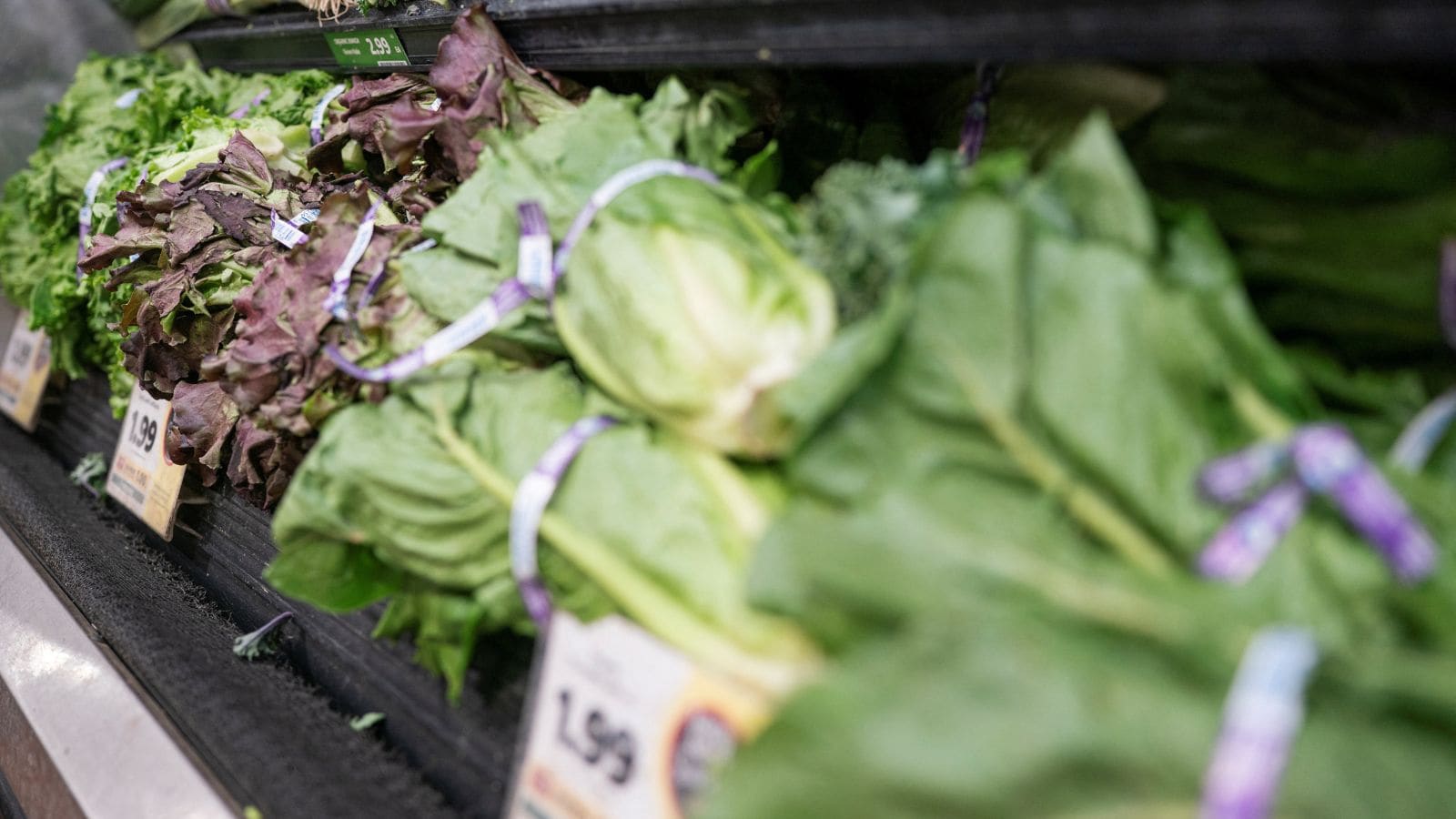
Consider a hypothetical commercial processing facility handling leafy greens. Water used for rinsing is recirculated to conserve resources. If an upstream filtration system experiences a minor drop in pressure or filtration efficiency, a microscopic pocket of bacteria can enter the wash tank. Within hours, thousands of individual heads of lettuce are exposed. By the time federal inspectors trace the strain back to its source, the distribution network has already delivered the tainted product to regional grocery stores, local restaurants, and institutional kitchens nationwide.
Regulatory Gaps in Rapid Distribution
Federal oversight agencies face a nearly impossible arithmetic problem. Organizations like the Food and Drug Administration and the Department of Agriculture monitor thousands of processing plants and millions of acres of farmland with limited personnel. Inspections often occur on schedules planned months in advance rather than through continuous, unannounced biological monitoring.
Supply chains move faster than oversight. Food items cross multiple state lines in refrigerated trucks within twenty-four to forty-eight hours of packaging. Epidemiologists must then work backward when an outbreak occurs, relying on patient interviews, symptom onset dates, and genetic sequencing of bacterial samples. This detective work takes weeks. By the time investigators identify a specific vector, the incubation period has passed, the contaminated batch has likely been consumed or thrown away, and secondary infections have already taken root.
Economic Pressures and Microbial Resilience
Bacteria evolve to survive. Decades of exposure to standard sanitization agents, heat treatments, and chemical washes have created hardier strains of foodborne pathogens. These resilient bacteria can form biofilms on stainless steel processing equipment. Standard cleaning cycles miss these microscopic layers, allowing the bacteria to persist through routine sanitation sweeps and contaminate subsequent batches of food.
Economic realities complicate containment. Processing plants operate on tight margins. Stopping a production line for deep biological remediation costs hundreds of thousands of dollars in lost product and downtime. Plant managers face intense pressure to maintain throughput. When minor contamination flags appear on internal testing logs, the threshold for halting operations is frequently weighed against financial losses rather than public safety.
Consumers absorb the final cost of this friction between speed and safety. Symptoms of salmonellosis—including severe abdominal cramps, fever, and acute diarrhea—disrupt lives and send vulnerable populations to hospital emergency rooms. Children, the elderly, and individuals with compromised immune systems face severe complications, occasionally requiring intensive medical intervention for an illness that originated from a failure in industrial sanitation controls.
Shifting the Burden of Proof
Fixing recurring nationwide outbreaks requires shifting accountability back to the source. Relying on reactive recalls after people fall ill is an outdated model. Modern agriculture needs mandatory, real-time microbial tracking at every major transfer point in the supply chain.
Independent auditing must replace internal self-policing. When processing facilities face immediate, unannounced audits with strict penalties for bacterial persistence, operational priorities shift. Food safety stops being an administrative checkbox and becomes the primary operational metric.
Until structural reforms force agricultural conglomerates to prioritize biological containment over velocity, multi-state outbreaks will remain a recurring feature of the modern food system. The next contaminated batch is already moving down the line.