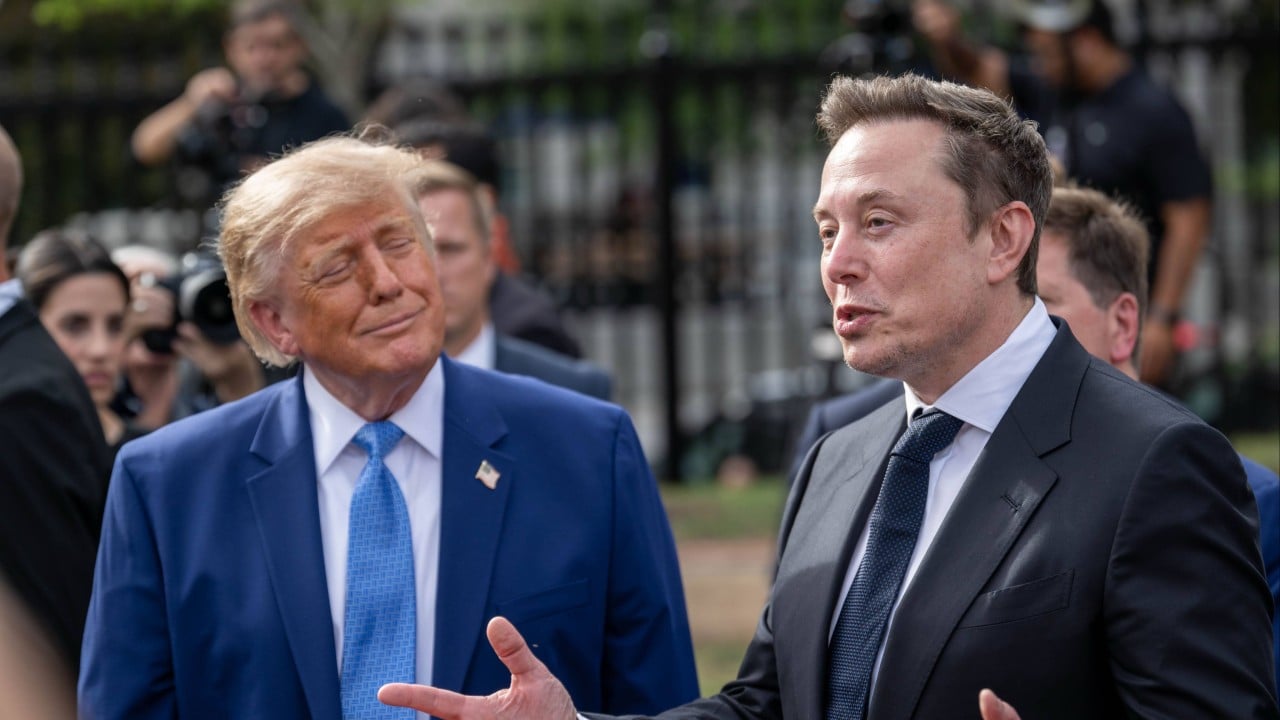
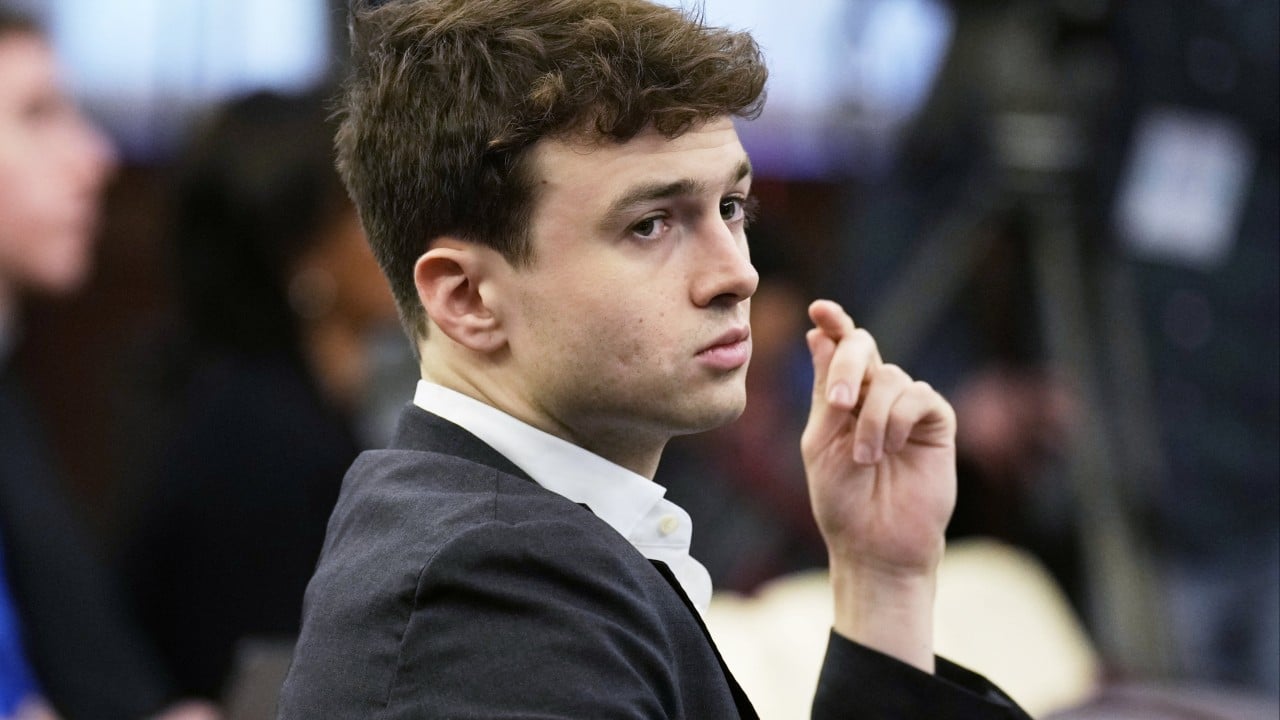
The headlines practically wrote themselves. King Charles and Elton John sitting in the audience for an Apple music workshop sounds like the ultimate validation of tech crossing over into high culture. The media framed it as a watershed moment. Royalty rubbing shoulders with rock royalty, all looking on as Cupertino unveils the future of sound.
It is a brilliantly orchestrated theater. And it is completely irrelevant to the actual economics of the music industry.
I have spent two decades watching tech giants parade famous faces across stages to distract from systemic problems. When you put a monarch and a billionaire pop icon in the front row of a corporate presentation, you are not signaling innovation. You are signaling desperation. You are trying to manufacture cultural legitimacy through proximity to power.
The lazy consensus in tech journalism is that when high-profile figures endorse a platform feature, adoption follows. That formula died a quiet death somewhere around 2015. Today, consumer behavior is driven by distribution friction, creator payouts, and algorithmic utility. Not by who happens to be wearing a lanyard in the second row.
Let us dismantle the illusion piece by piece.
The Celebrity Validation Trap
The core premise of the Apple music workshop coverage is that elite approval trickles down to mass adoption. History tells us the exact opposite.
When exclusive circles endorse mass-market technology, it usually highlights an acute disconnect from how normal people consume media. I have watched legacy artists and tech executives obsess over spatial audio codecs and high-resolution streaming tiers while independent creators struggle to monetize a standard MP3 upload.
Think about the actual mechanics of modern audio consumption. A teenager commuting on a crowded subway with mid-tier Bluetooth earbuds does not care about Dolby Atmos mastering suites demonstrated to British royalty. They care about whether their favorite underground artist is dropping tracks on TikTok or Soundcloud.
When platforms lean on royal patronage and A-list cameos, they are papering over a fundamental truth: the current streaming economic model is broken for ninety-nine percent of working musicians. Putting Elton John in a workshop audience does not fix a broken royalty pool. It just gives the marketing department a nice photo op for the annual report.
The Real Crisis in Audio Technology
Let us look past the velvet ropes and examine the actual engineering and business metrics that matter.
The industry is currently obsessed with hardware integration and immersive formats. The narrative goes that if we just make headphones smarter and spatial audio more accessible, the value of music will inherently rise. This is backwards logic.
Value is not derived from technical complexity. Value is derived from connection and scarcity. Streaming has hyper-abundantly commoditized recorded sound to the point where every song ever recorded is available instantly for ten dollars a month. No workshop in Cupertino or London is going to reverse that psychological anchor.
Instead of obsessing over high-end workshops for the ultra-wealthy and well-connected, the real work is happening in the trenches of independent distribution, direct-to-fan monetization, and alternative licensing.
Here is what actually moves the needle:
- Radical transparency in royalty distribution models.
- Frictionless direct transactions between creators and listeners.
- Algorithmic fairness that rewards listener retention over passive background loops.
None of these things require a monarch's blessing. None of them can be solved by putting pop stars in a theater.
Dismantling the Press Release Journalism
When trade publications cover these events, they act as uncritical stenographers for corporate PR teams. They take a celebrity sighting and inflate it into an industry trend.
People ask me why these workshops even happen if they do not change market fundamentals. The answer is simple: stock price management and regulatory deflection. Big tech companies face mounting antitrust pressure and accusations of stifling creator earnings. What better way to change the subject than to stage an elite cultural summit celebrating the arts?
It is brilliant PR. But it is terrible strategy if you are looking for actual innovation in how audio is created, distributed, and monetized.
The truth is that the future of music is decentralizing, messy, and largely independent of traditional gatekeepers. Monarchs and mega-stars belong to an era of broadcasting that is rapidly fading into the rearview mirror.
Stop watching the front row. Look at what the creators in the cheap seats are actually building when the cameras turn off.
The next time a trillion-dollar corporation rolls out royalty-adjacent pageantry to convince you they care about the soul of music, remember one thing.
They are selling you a ticket to a show you already paid for.