The earth in Gaza does not sound like earth anymore. It sounds like shattered glass, like the heavy, wet thud of a concrete slab sliding off a skeleton of rusted rebar, like the low, constant drone of a mechanical hornet that never lands. Dust is the default state of the atmosphere. It settles on eyelashes, coats teeth, turns every sunset into a bruised, copper smear of smoke and burnt plastic.
Yet, there are hands still willing to dig into it.
Picture a courtyard that no longer has walls. Only jagged teeth of masonry point toward an indifferent sky. A man stands there, his knuckles gray with limestone powder, gripping the handle of a heavy iron shovel. His name is Ibrahim, though it could just as easily be anyone who has watched their neighborhood shrink into a memory. Around him, children hover like sparrows, their eyes too wide for their faces, watching his every movement with a strange, grave intensity.
He isn't unearthing weapons. He isn't searching for survivors beneath the debris. He is digging a hole.
Deep in the pocket of that dry, wounded soil, he settles a young sapling. Its leaves are a stubborn, silvery green—the color of an old coat worn through at the elbows, durable and wise. It is an olive tree.
When Mahmood Mamdani, scholar and observer of history’s most brutal fractures, knelt beside families in Gaza to plant that tree, he was participating in an act that looks absurd on its face. What is a single sapling against the machinery of total war? What is a green branch when the horizon is choked with gray?
To understand the power of that gesture, you have to look past the logistics of aid drops and ceasefire resolutions. You have to look at how human beings endure the unendurable.
History is full of architects of erasure. From the colonial outposts of the nineteenth century to the modern scorched-earth campaigns of the twenty-first, the goal has rarely been just physical elimination. The true objective is always psychological exhaustion. The aggressor wants to convince the victim that their culture, their memory, and their future are entirely wiped out, that tomorrow is a cancelled concept, that planting anything is an exercise in profound foolishness because tomorrow will only bring another bomb.
When a community is reduced to tents and tarps, survival becomes a frantic, humiliating scramble for calories and clean water. Dignity gets squeezed out by the sheer physics of staying alive. In that kind of zero-sum nightmare, despair is an efficient weapon. It moves faster than artillery. It convinces people to stop dreaming, stop planning, and simply huddle in the dark waiting for the end.
Planting an olive tree is a direct, defiant middle finger to that despair.
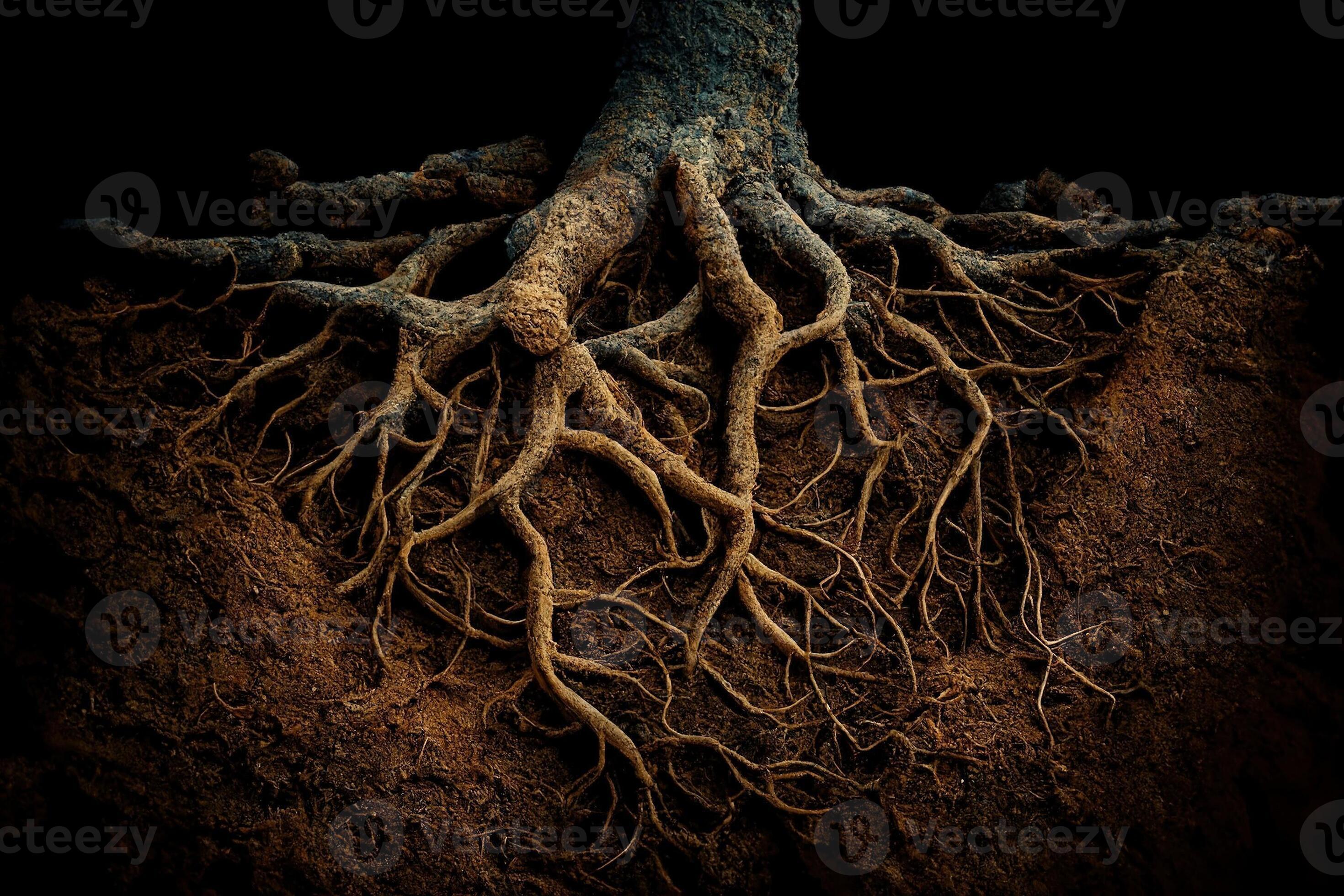
An olive tree does not grow overnight. It asks for years, for decades, for centuries. It demands patience from people whose lives are currently measured in hours and minutes. When you plant an olive tree in a war zone, you are making a staggering bet on the future. You are telling the sky, and the machinery falling out of it, that you expect to be here to pick the fruit. You are anchoring your existence into the bedrock of a place that others are trying to turn into dust.
Consider the lineage of these trees. In the Mediterranean, an olive tree is not merely a crop; it is an ancestor. Families pass down groves the way other cultures pass down heirlooms or land deeds. Trees planted by great-grandfathers still drop oil into the presses of their great-grandchildren. To plant one now, amidst the skeletons of destroyed homes, is to hijack the future back from the people currently trying to cancel it.
The media cycle loves statistics. We consume them like fast food, scrolling through tallies of the displaced, the wounded, the missing. Numbers anonymize tragedy. They turn human beings into variables in a geopolitical equation. We read that tens of thousands have lost their homes, and our brains glaze over, numbed by the sheer scale of the horror.
But a single man lowering a fragile root ball into the dirt? That breaks through the numbness. That restores the scale of the human heart.
The families standing around Ibrahim and Mamdani are not passive spectators. They are collaborators in a quiet conspiracy of hope. A young girl, maybe nine years old with a pink ribbon tied crookedly in her hair, holds the watering can. Water is precious here. Every drop is counted, rationed, fought over. Yet, a portion of that liquid survival is poured over the roots of a plant that will not give shade for a decade.
That is the paradox of resilience. It requires a radical, irrational generosity toward the future.
We have seen this impulse before, of course. In the Warsaw Ghetto, starving musicians played secret concerts behind bricked-up windows. In the rubble of post-war Tokyo, women planted vegetable gardens in bomb craters before they even rebuilt their roofs. Human beings are stubbornly, ridiculously romantic about tomorrow. We refuse to let our story end on a period if we can possibly manage a comma.
Mamdani’s presence in that ruined courtyard connects the intellectual understanding of colonialism and violence with the visceral, dirt-under-the-fingernails reality of survival. It says that theory without solidarity is just noise, and that solidarity without action is just theater.
When the journalists pack up their cameras and the satellite trucks roll away, the cameras turn off and the news cycle shifts to the next atrocity, the tree remains. The wind blows off the Mediterranean, rattling its small, silver-green leaves. The children who watered it will grow up in whatever version of tomorrow manages to crawl out of this wreckage. They will walk past that tree every day. They will watch it bend in the storm and straighten out again.
And whenever they look at it, they will remember that once, when the world had turned its back and the sky was falling in pieces, someone came to their ruined street, knelt in the dirt, and refused to let them be forgotten.
The roots go down. The trunk thickens. The war tries to write the final chapter, but the earth keeps turning the page.