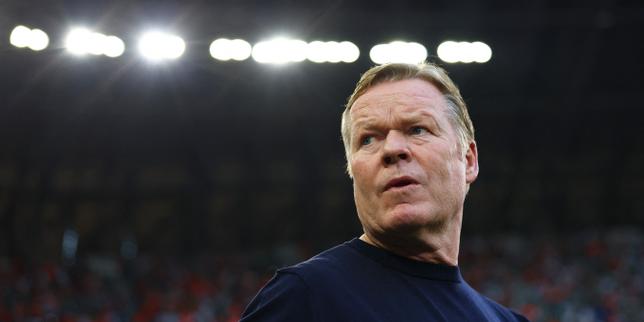
Ronald Koeman has stepped down. The news followed immediately after Morocco knocked the Netherlands out of the 2026 World Cup. It felt inevitable. For fans who watched the tactical disconnect on the pitch, this departure was less of a shock and more of a late realization. The Dutch national team has slipped from its historic pedestal, and a round-of-16 exit proved to be the final straw.
The match against Morocco exposed fundamental structural problems within the squad. Koeman returned for his second stint as national manager with promises of stability, yet his tactical setup remained rigid. Morocco played with fluid intensity, moving through transitions at lightning speed. The Oranje looked static. They lacked creativity in midfield and failed to adapt when their initial plan crumbled. You might also find this connected article insightful: How Erling Haaland Rewrote the Tactical Playbook to Save Norway from a World Cup Disaster.
When a team with this much talent crashes out early, the manager carries the blame. Koeman understood that. His decision to leave his post signals the end of an era that relied too heavily on past reputations rather than modern tactical innovation.
The tactical failure that ended the Oranje World Cup run
The tactical breakdown against Morocco did not happen overnight. Throughout the tournament, the Dutch team struggled to establish a clear identity. Koeman favored a conservative approach that often stifled his most creative players. As discussed in latest reports by Yahoo Sports, the implications are notable.
Against a highly disciplined Moroccan defensive block, the Netherlands circulated the ball slowly across the backline. There was no tempo. Midfielders failed to make progressive passes, leaving the forwards completely isolated. This reliance on individual brilliance rather than collective movement made the Dutch incredibly predictable.
Morocco capitalised on this lack of speed. They sat deep, absorbed the pressure, and struck with lethal counter-attacks. The Dutch midfield line was caught out of position repeatedly. Koeman failed to make proactive tactical shifts during the game. His substitutions felt like straight swaps rather than strategic adjustments designed to alter the game's flow. It was a masterclass in modern tournament football from Morocco, and a lesson in outdated philosophy for the Netherlands.
Why structural rigidity ruined a talented generation
The current Dutch squad possesses world-class talent across major European leagues. Players competing at the highest levels in England, Italy, and Germany looked like shadows of themselves in the national jersey. This points directly to management.
Great international managers build systems that maximize their available talent. Koeman did the opposite. He forced players into rigid roles that ignored their natural strengths.
- High-pressing defenders were forced to drop deep.
- Creative wingers lacked freedom to cut inside.
- The midfield engine room lacked a dynamic ball-carrier.
When you look at successful international teams today, flexibility is everything. Managers must adjust their tactical shape depending on the opponent. The Netherlands played the same way regardless of who they faced. This predictability made them an easy target for tacticians who study film and know exactly how to exploit space behind a slow-moving Dutch defense.
The problem with returning to past managers
Dutch football has a habit of recycling old names. When Louis van Gaal left, the federation turned back to Koeman. It was a safe choice, a familiar face to steady the ship. But safe choices rarely win international tournaments anymore.
International football has evolved rapidly over the last few years. The gap between elite nations and the rest of the world has closed dramatically. Teams like Morocco, Japan, and Ecuador bring incredible athletic intensity and highly sophisticated tactical setups to the pitch. Relying on a manager because he understands the traditional Dutch school of thought is no longer enough.
The KNVB needs to look forward instead of backward. The obsession with Total Football from the 1970s has become a psychological burden. Modern football requires intense pressing, rapid transitions, and athletic versatility. Koeman’s second stint proved that nostalgia does not win matches on the world stage.
What needs to happen next for the Netherlands
The departure of the manager is only the first step in a massive rebuilding process. The Royal Dutch Football Association faces a massive decision. They cannot afford another uninspired hiring process that looks solely at domestic experience.
First, the federation must define what the national team should look like over the next four years. They have a core group of young players who need a modern coach capable of developing a high-pressing, energetic system. The next manager must be someone who embraces data, understands modern tactical trends, and possesses the courage to drop underperforming veterans.
Second, the scouting and youth integration systems need a rethink. The Dutch academy system used to produce unique, innovative players who redefined positions. Recently, the production line has yielded excellent athletes who lack tactical imagination. The focus must shift back to developing intelligent footballers who can thrive in multiple systems.
The post-Koeman era starts now. It requires a complete break from old habits and an injection of fresh, modern footballing philosophy. If the federation gets this wrong, the Netherlands risks falling even further behind the elite tier of international football. The talent is there, but the direction must change completely.