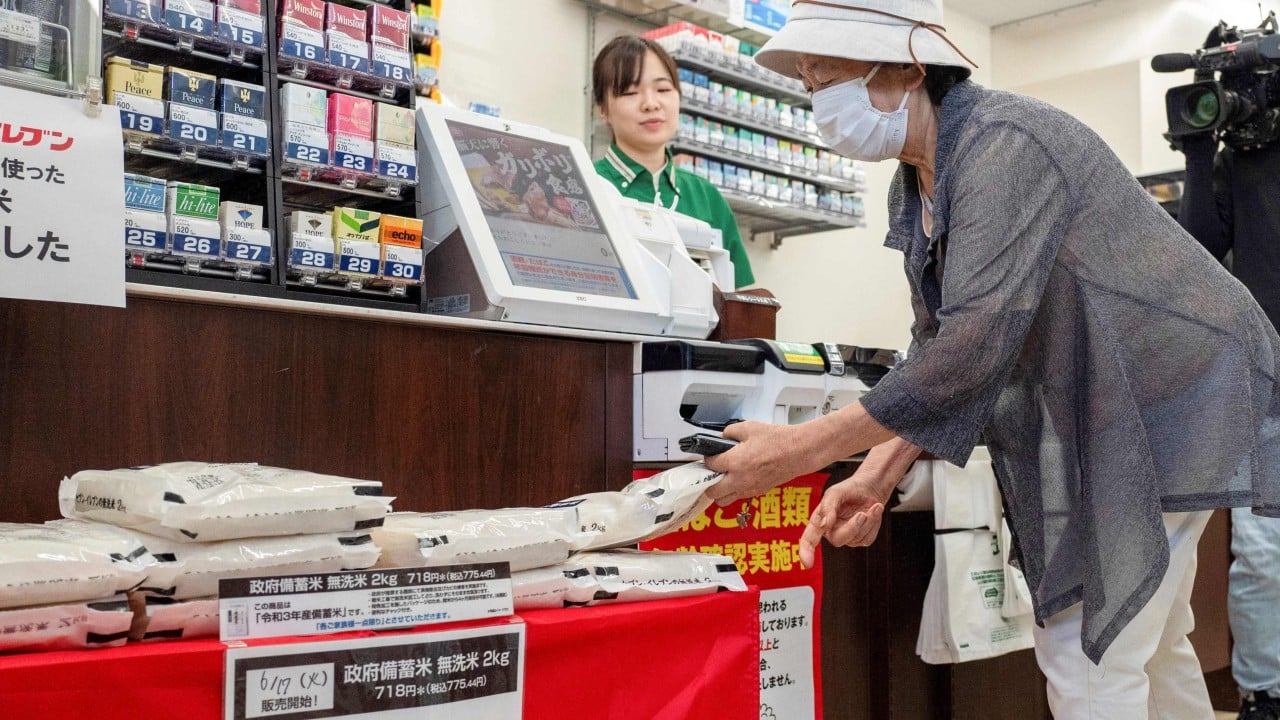
Shoppers cheered as supermarket shelves finally filled with grain after months of empty bins and erratic rationing. Consumers felt immediate relief after paying inflated prices for months of scarcity during the recent grain shortage. Yet those cheers found zero echo in rural prefectures where agricultural cooperatives stare at mounting piles of unsold stock. Japan’s sudden pivot from severe scarcity to an overwhelming surplus exposes structural flaws buried deep inside the nation's heavily protected farming sector.
The Anatomy of a Manmade Shortage
Panic buying did not create the initial crisis, though it accelerated the pain. Years of government-enforced production adjustments combined with adverse weather patterns to pinch supply chains until they snapped. Officials long conditioned farmers to reduce acreage devoted to table grain, pushing them toward feed crops or export varieties to keep domestic prices stable. When extreme summer temperatures baked paddies and panic set in among urban households, the administrative buffer vanished entirely.
Ministries rushed to release emergency reserves while urging producers to accelerate harvests wherever possible. Producers responded by throwing every available hectare into immediate cultivation, ignoring long-term crop rotation schedules in favor of quick yields. Nature cooperated better than expected, delivering ideal conditions for late-season growth across major agricultural hubs from Niigata to Akita. The result was an unprecedented rebound that caught planners flat-footed.
Economic whiplash in the paddies
Consumers celebrate cheaper meal bowls, but producers face financial ruin as market rates plummet under the weight of excess inventory. Wholesale buyers hold all the leverage, refusing premium contracts while snapping up dumped grain at rock-bottom figures. Aging operators find themselves unable to service machinery loans taken out during the scramble to plant more acreage just six months prior.
Government subsidies designed to cushion production shocks are failing to bridge the widening gap between operational expenses and falling market returns. Fertilizer, fuel, and heavy equipment costs remain stubbornly elevated despite global commodity stabilization. Farmers who answered the call for emergency production now discover that the free market penalizes them severely for a successful harvest.
Structural paralysis in agricultural policy
Ministry offices in Tokyo remain trapped in an outdated paradigm of supply management that treats food security as a simple math problem of acreage quotas. Bureaucrats focus intensely on price-floor maintenance rather than building resilient distribution networks capable of absorbing sudden volatility. This rigid approach stifles domestic innovation while protecting inefficient cooperatives from necessary consolidation.
Younger entrepreneurs attempting to introduce data-driven cultivation or direct-to-consumer models run into brick walls of bureaucratic resistance and protective zoning laws. Traditional agricultural cooperatives control storage facilities and transport logistics, maintaining a stranglehold on how grain moves from mud to market. They prioritize collective stability over individual enterprise, freezing out any operator willing to take calculated risks on export markets or alternative processing.
International trade agreements add another layer of friction to an already complex market. While domestic stocks rot in humid warehouses, foreign import quotas remain fixed under legacy treaty obligations, forcing the state to buy fixed amounts of overseas grain regardless of local surplus. This creates an absurd fiscal loop where taxpayers subsidize the destruction or discount sale of homegrown crops while simultaneously financing unwanted foreign imports.
The demographic reckoning
Behind every idle tractor sits an operator whose children abandoned the prefecture decades ago for corporate offices in Yokohama or Tokyo. The average age of domestic grain producers creeps higher each year, crossing the threshold where physical labor becomes unsustainable without heavy automation. When these individuals retire without successors, entire farming communities dissolve, leaving fertile paddies to revert to scrubland or industrial sprawl.
Municipalities try offering relocation grants to urban families willing to take up the plow, but these initiatives yield mixed results at best. City dwellers lack the specialized knowledge required to manage water levels in complex irrigation networks or maintain delicate harvesting machinery. Many give up after a single grueling season of battling pests and unpredictable weather, leaving local governments with abandoned properties and wasted budgets.
Beyond the harvest cycle
Fixing this volatile market requires dismantling decades of political patronage that treats agricultural policy as a social welfare program rather than an economic engine. Planners must abandon arbitrary production caps and let market signals guide planting decisions, even if that means painful consolidation among smaller operations. Investment needs to flow into cold-chain storage and export infrastructure so that excess domestic yields can find buyers across Asia rather than spoiling in local silos.
Shoppers may enjoy their current bargain prices, but stability cannot rest on the perpetual financial suffering of the people working the land. Without deep structural reform, the next weather anomaly will plunge the nation right back into panic, proving that temporary gluts solve nothing when the underlying system is fundamentally broken.