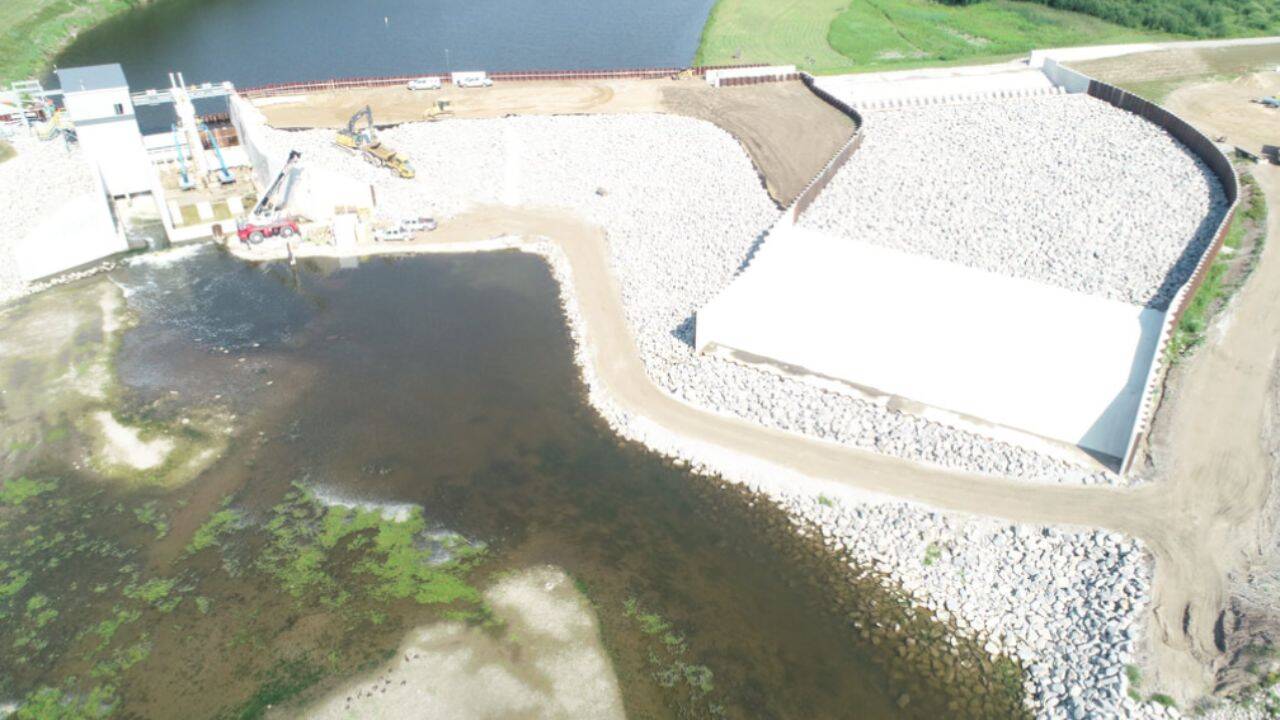
Water is finally flowing back into Smallwood Lake. If you watched the catastrophic May 2020 dam disasters turn mid-Michigan's prized waterways into muddy ditches, this moment feels surreal. Six years after structural failures at the Edenville and Sanford dams forced emergency drawdowns across the region, a $50.2 million rebuild of Smallwood Dam has cleared the way for recovery.
The refilling process kicked off on August 4, bringing long-awaited relief to 721 waterfront properties. But getting to this point wasn't easy, and the broader fight to restore Michigan's Four Lakes system reveals hard truths about infrastructure, funding, and community resilience.
The Reality of Rebuilding After Disaster
When the dams failed in 2020, they displaced families and drained entire aquatic ecosystems overnight. Lakes turned into dry, weed-choked riverbeds. For property owners, the psychological toll matched the economic hit.
Rebuilding a century-old dam network isn't a quick weekend DIY project. It takes massive capital, complex engineering, and years of regulatory approvals. The Four Lakes Task Force managed a heavy lift, securing funding and coordinating construction across multiple sites. Smallwood is now the second of the four failed dams to see its lake return, following Sanford Lake's successful refill earlier this spring.
Yet, progress hasn't been without friction. Secord Dam hit a roadblock when a major water-control gate arrived with parts that didn't fit properly, pushing its completion date back. Edenville Dam, the largest of the bunch, remains under construction with a target completion date stretching into late 2027.
What the Return of Smallwood Lake Actually Means
You might think turning the valves back on solves everything instantly. It doesn't. Filling Smallwood Lake is a deliberate, highly regulated operation. Crews are restricted to raising water levels by roughly one foot a day, meaning the full refill takes eight to 10 weeks depending on weather conditions.
Property owners also face a transformed landscape. When water returns to a dry lakebed, sediment shifts. Depths change. Debris buried for years floats to the surface, requiring massive cleanup efforts. Furthermore, the financial sting remains very real. Local property owners are shouldering a heavy portion of the multi-million dollar repair costs through special assessment taxes on their bills, sparking years of legal battles and bitter debate.
If you own waterfront property here, you can't just kick back and wait for normal life to resume. You have to adapt. The Four Lakes Task Force has hosted educational workshops focusing on natural shoreline stabilization to help residents combat erosion as water levels normalize.
Practical Steps for Waterfront Recovery
If you are navigating the return of Smallwood Lake or any recovering body of water, take concrete actions to protect your investment:
- Monitor your shoreline closely: Rapid water level changes trigger sudden erosion. Invest in riprap or natural plantings immediately if you notice bank destabilization.
- Clear surface debris early: As water fills the basin, sunken timber and trash will float up. Snag them before they drift into navigational channels or damage structures.
- Stay engaged with local task forces: Attend public information sessions to stay updated on construction timelines, winter drawdowns, and financial assessments.
- Expect a shifting ecosystem: Fish populations like panfish return quickly via river currents, but predatory fish take longer to re-establish balanced numbers. Give the local ecology time to rebalance.
The return of Smallwood Lake marks a massive turning point for Michigan, proving that shattered infrastructure can rise again. But the true test of this recovery is how well communities manage the long-term realities of living alongside these rebuilt waters.