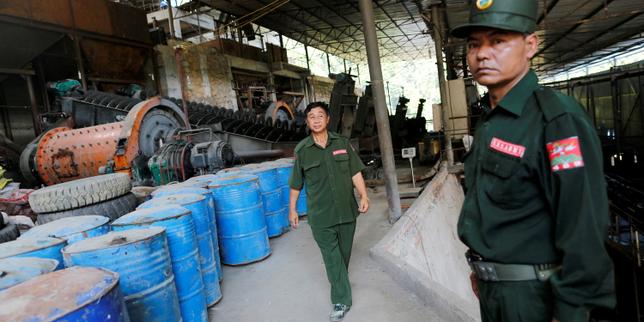
When a massive tin mine in Myanmar flickers back to life, global tech supply chains shudder. You rarely hear about tin on the evening news, yet it sits quietly inside almost every piece of electronics you own. From the smartphone in your pocket to the circuit boards powering electric vehicles, tin is the unsung glue holding modern manufacturing together.
For months, the shutdown of the Man Maw mine in the Wa State of Myanmar left traders scrambling. Prices spiked. Manufacturers sweated. Now that operations are restarting, everyone wants to know what comes next. Is this a return to stability, or just a temporary blip before the next crisis hits?
The Reality Behind The Man Maw Mine Restart
Let us cut through the noise. The Man Maw mine isn't just another industrial pit. It accounts for a massive chunk of global tin output, particularly feeding China's smelting operations. When local authorities slammed the brakes on mining in mid-2023 citing environmental and resource exhaustion concerns, the market took an immediate hit.
Production stopped cold. Stockpiles dwindled. Smelters in Yunnan province faced severe ore shortages.
Restarting a mega-mine after a prolonged hiatus is never as simple as flipping a switch. Equipment degrades in the tropical humidity. Skilled labor drifts away to other regions. Regulatory oversight, local militia politics, and transport logistics complicate every single truckload coming out of the Wa State.
Even with the green light to resume, output won't magically return to peak capacity overnight. You are looking at a slow ramp-up. Grade depletion is also a very real factor. The easiest ore was pulled years ago. Miners now have to dig deeper, process more rock, and spend more capital to extract the same amount of metal.
Why Global Tech Relies So Heavily On Myanmar
Most consumers have no idea where their metals come from. They buy a laptop and move on. But supply chain managers lose sleep over geographic concentration.
Myanmar became a tin superpower almost by accident. Geological fortune placed massive deposits right near the Chinese border, creating an easy cross-border trade route. China imported raw ore, smelted it, and shipped refined tin to the world.
This creates a dangerous choke point. When domestic politics or local conflicts flare up in Myanmar, the shockwaves travel straight to electronics factories in Shenzhen, Seoul, and Taipei. There are few alternative suppliers ready to step in at scale. Indonesia and Peru produce significant volumes, but they face their own regulatory hurdles and export bans.
If you are running a hardware manufacturing business, relying on a region prone to political volatility is a constant gamble. You cannot just substitute tin with another metal. Solder needs tin. Without it, circuit boards fall apart.
What This Means For Prices And Markets
Market participants love a simple narrative. Mine reopens equals supply increases equals prices drop. Reality is far messier.
Tin prices have experienced historic volatility over the last few years. The reopening news brought some downward pressure on futures, but underlying tightness persists. Smelters need time to clear backlogs, and global demand from the renewable energy sector remains stubbornly high.
Solar panels use significant amounts of tin for ribbon coatings and electrical connections. As the energy transition accelerates, structural demand for tin keeps climbing. Even a fully operational Man Maw mine will struggle to create a true surplus in this environment.
Traders who bet on a massive price collapse are ignoring grade realities and geopolitical friction. Every shipment crossing the border faces taxes, fees, and checkpoint negotiations.
Surviving The Volatility
If you source electronic components or manage industrial procurement, hoping for smooth sailing is a losing strategy. Diversification sounds cliché, but it is your only shield.
Stop buying from a single supplier tied to one smelting hub. Push your vendors for transparency on their raw material origins. Demand to know if their solder comes from conflict-adjacent regions or diversified smelters.
Keep a closer eye on London Metal Exchange inventories than your competitors do. When warehouse stocks start trending down sharply, act fast before your competitors lock up available supply.
The restart of Myanmar's giant tin mine brings a sigh of relief to the market, but the underlying vulnerability of global tech supply chains remains completely unchanged.



