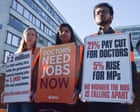
The British Medical Association (BMA) just threw a bucket of cold water on any hopes of a quick peace deal in the NHS. If you thought the "junior doctor" dispute was settling down, think again. Dr. Jack Fletcher, the chair of the BMA’s resident doctors’ committee, is now openly accusing the government of "playing games" with the latest pay offer, claiming that a last-minute reduction in funding is what actually killed the negotiations.
It’s a mess. We’re currently in the middle of the 15th strike since 2023. Hospitals are scrambling, appointments are being binned, and the rhetoric between Health Secretary Wes Streeting and the BMA has turned remarkably toxic. While the government claims they’ve put a "generous" deal on the table, the doctors say they’re being asked to lock in real-terms pay cuts for the next three years. Also making waves recently: The Real Reason the New Ebola Outbreak is Out of Control.
The Breaking Point in the Room
For weeks, it looked like we were actually getting somewhere. Negotiators had been huddled away for nearly two months, working on something called "nodal point reform." This is basically a fancy way of saying they were changing how quickly doctors move up the pay scale as they gain experience. It was supposed to be the bridge to that elusive 26% pay restoration the BMA has been demanding.
Then, according to Fletcher, the government pulled a U-turn. He claims that in the final stretch, ministers didn't just reduce the total amount of investment; they stretched it out over three years instead of the two-year window previously discussed. Further details into this topic are detailed by Medical News Today.
- The Original Vibe: A focused investment to fix pay erosion quickly.
- The New Reality: £700 million spread thin until 2029.
Specifically, the offer on the table involves £150 million in 2026-27, followed by £250 million and £300 million in the subsequent years. When you combine that with a 3.5% pay review body recommendation that sits below the current 3.6% RPI inflation, you can see why the BMA walked. They aren't looking for a deal that "barely treads water." They want to reverse a decade of decline.
Why Streeting and the BMA are at Each Other's Throats
Wes Streeting isn't playing the "nice guy" anymore. He’s explicitly stated that his door is open, but he’s also warned that the "jeopardy" is real. The government has essentially tied the promise of 4,500 new specialty training places to the end of the strikes. No deal? No new training spots. It’s a high-stakes game of chicken.
Streeting argues that resident doctors—the new term for junior doctors—have been the "standout winners" under this government, seeing their pay rise by over 28% in the last three years when all uplifts are factored in. But the BMA doesn't see it that way. They see a profession that's still fundamentally undervalued compared to the 2008 benchmark.
The human cost of this deadlock is staggering. We aren't just talking about money; we're talking about a "competition ratio" for training places that has spiked to levels that force talented medics to pack their bags for Australia or New Zealand. If a doctor can't get into a specialist training program in Leeds or London, they’ll find one in Brisbane.
The Cost of the Deadlock
The numbers behind this dispute are starting to look like a black hole in the NHS budget.
- Financial Drain: Strikes have already cost the NHS an estimated £3 billion in cover costs and lost productivity.
- Waiting Lists: Hundreds of thousands of procedures have been cancelled or pushed back.
- Public Opinion: While the public was largely on the side of doctors in 2023, the mood is shifting. Recent polling suggests people are losing patience as the 15th walkout disrupts urgent care.
It’s important to realize that the BMA isn’t just fighting for a number. They’re fighting against a system they believe is designed to fail them. They’re looking for a starting salary that reflects the responsibility of the job—basically asking for £21 an hour instead of the current £15-ish for foundation doctors. When you put it in those terms, it sounds less like a "massive pay grab" and more like a request for a fair wage.
What Happens if Neither Side Budges
The current strike mandate lasts until August 2026. If a deal isn't struck soon, we’re looking at a summer of discontent that could break the NHS's back. The BMA has shown they're willing to go the distance, and the government is digging in its heels, citing "hard-pressed taxpayers" and a "broken economy."
If you’re a patient caught in the middle, "negotiating in good faith" doesn't mean much when your surgery is cancelled for the third time. The "spirit of negotiations" Fletcher mentioned seems to have evaporated, replaced by a war of words where both sides claim to be the one standing up for the future of the health service.
Honestly, the only way out is a return to the table with a deal that front-loads the investment. Stretching pay reform over three years in a high-inflation environment is a non-starter for a union that has already proven it can hold the line for years.
If the government wants the strikes to end, they’ll have to find a way to make the "nodal reform" feel like a real win today, not a promise for 2029. Until then, expect the picket lines to stay exactly where they are.
Check your local hospital trust’s website for service updates if you have appointments scheduled this week. Most urgent care and A&E services remain open, but elective procedures are almost certainly being pushed back. If you're a medic, keep a close eye on the BMA's member updates regarding the next ballot—August is closer than it looks.