The air inside Hall H is thick with recycled oxygen, stale popcorn, and the collective nervous energy of seven thousand people who have been sitting on hard plastic chairs since dawn. They are waiting. They always are. Comic-Con is a pilgrimage built on patience, a four-day exercise in endurance where tired feet and sleep-deprived brains are paid off in rare, fleeting moments of shared euphoria.
Then the lights drop.
The low rumble of a familiar bassline vibrates through the concrete floor, shaking the dust loose from the rafters. A screen flashes. But before the first trailer frame even registers, a shadow steps out from the wings. It is not a polished executive in a tailored suit. It is red. It is leather. It is unmistakable.
Ryan Reynolds does not just walk onto a stage; he invades it.
The roar that follows is not polite applause. It is a physical wave. You can feel it in your chest, a sudden compression of air as thousands of voices lock together into a single, deafening sound. In that split second, the corporate machinery of Hollywood vanishes. The marketing budgets, the release date strategies, the shareholder conference calls—they all dissolve into the raw, unscripted electricity of a man in a crimson mask waving wildly at a crowd that treats him like an old friend.
We forget how rare this is.
Most movie promotion has become a sterile exercise. Actors sit on pristine white couches, giving rehearsed, media-trained answers to internet-famous hosts. They smile on cue. They drop safe soundbites. Every second of their press tour is calculated to maximize global box office yields while minimizing any risk of human error. It is clean. It is efficient. And it is entirely devoid of soul.
Reynolds understands the antidote to this exhaustion. He knows that modern audiences are drowning in content yet starving for connection.
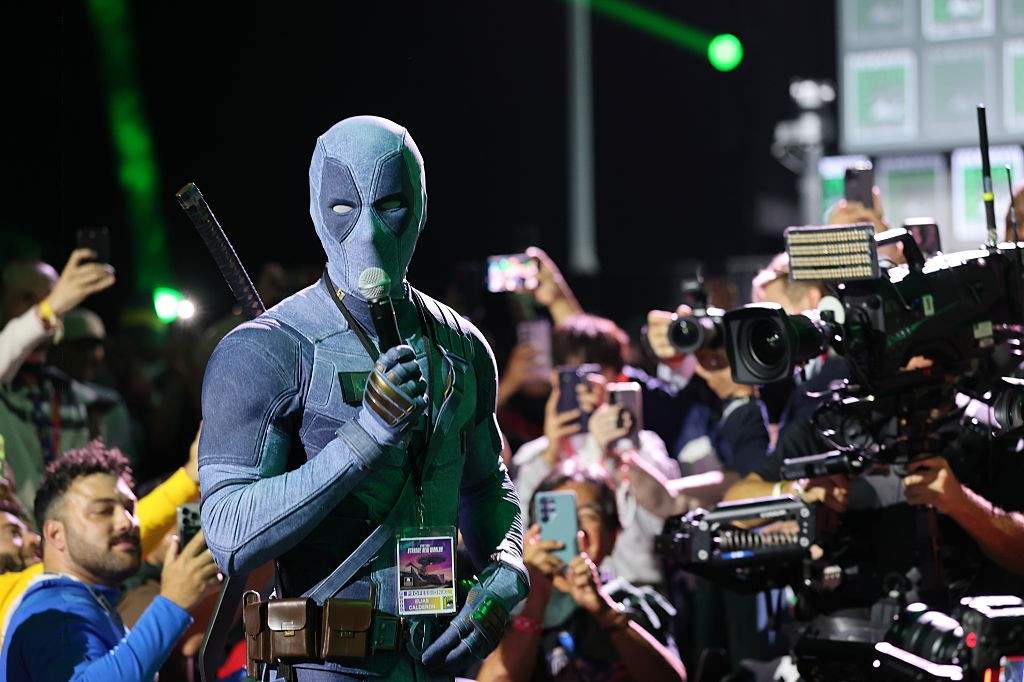
When he appeared as Deadpool at Comic-Con, clad in the heavy, textured denim of a variant universe or simply cracking wise through the stiff rubber of his cowl, he was not just selling a ticket. He was breaking the fourth wall of the industry itself. He was acknowledging the absurdity of the hype machine while gleefully participating in it.
Consider what happens next in the typical blockbuster cycle. The studio releases a teaser. Fans dissect every pixel on Reddit. Theories are born, debated, and discarded over six months of internet discourse. By the time the film finally hits theaters, the mystery has been squeezed out of it like water from a dry sponge.
Reynolds short-circuits that entire cycle by injecting chaos directly into the veins of the convention floor.
He didn't send a pre-recorded video message. He didn't hide behind a Zoom screen. He flew to San Diego, walked into the lion's den of pop culture fandom, and stood exposed to the raw reactions of the people who care the most. That takes a specific kind of nerve. It requires dropping the armor of calculated perfection and risking awkward silence, even if the odds of that happening with a room full of Deadpool superfans are roughly zero.
The denim detail matters more than you might think.
It wasn't just a random stylistic choice. It was a wink. It signaled a shift away from the glossy, hyper-polished CGI perfection that has begun to exhaust superhero fatigue sufferers everywhere. Denim is workwear. It is durable, unpretentious, and frayed at the edges. By stepping out in texture that felt lived-in and real, the character bridged the gap between mythical cinematic icon and the guy next door who spent his life savings on a high-end replica suit.
We live in an era where cynicism is the default setting for media consumption. Every franchise reboot is viewed with suspicion. Every casting choice is interrogated for hidden agendas. We have been burned too many times by rushed universes and hollow cinematic cash grabs.
Yet, for one loud, chaotic hour in San Diego, that cynicism evaporated.
People cried. They laughed until their ribs ached. They filmed blurry videos on cracked smartphone screens that they would later upload to feeds already saturated with noise, but this time, the noise felt different. It felt earned.
When Reynolds unmasked, revealing the sweat-streaked hair and the genuine, slightly disbelieving grin of a performer watching his hard work pay off in real-time, the distance between the screen and the seat disappeared. He wasn't just a movie star playing a role. He was a fan who happened to be lucky enough to hold the keys to the kingdom, throwing an open-house party for everyone else outside the gates.
The lights in Hall H eventually came back up. The crowd filtered out into the blinding California sun, blinking against the reality of traffic, overpriced parking, and the long walk back to the convention center lobby. The red suit was packed away in a specialized trunk, ready for the next stop on the global tour.
But the room stayed warm. Long after the trailers finished playing and the social media algorithms moved on to the next breaking news cycle, the echo of that roar remained suspended in the air, a reminder of what happens when someone refuses to play it safe.