Wind hits the tallgrass first. You hear it before you see it—a long, dry hush rolling across miles of amber stubble and limestone fences where the horizon feels wide enough to swallow a whole afternoon.
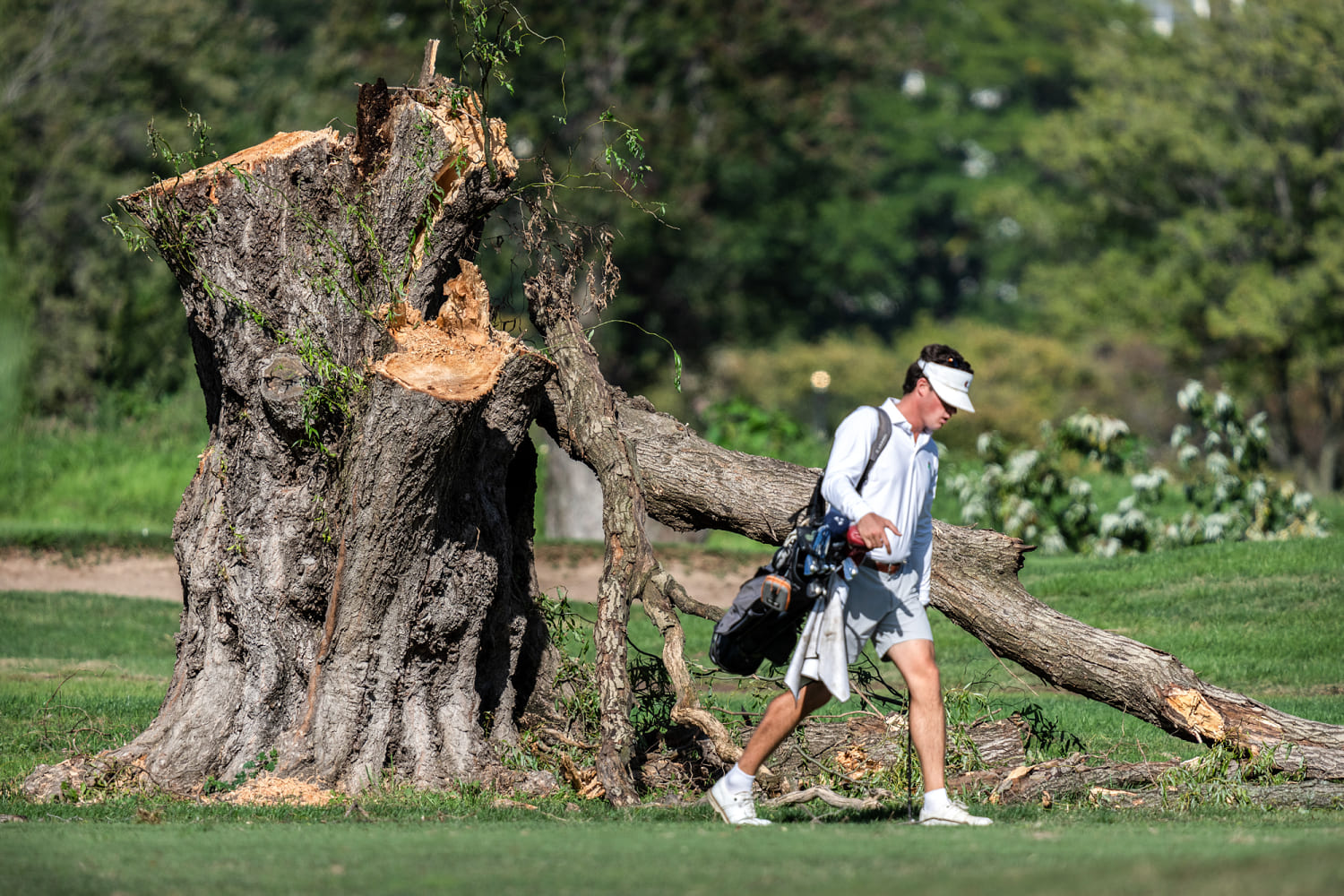
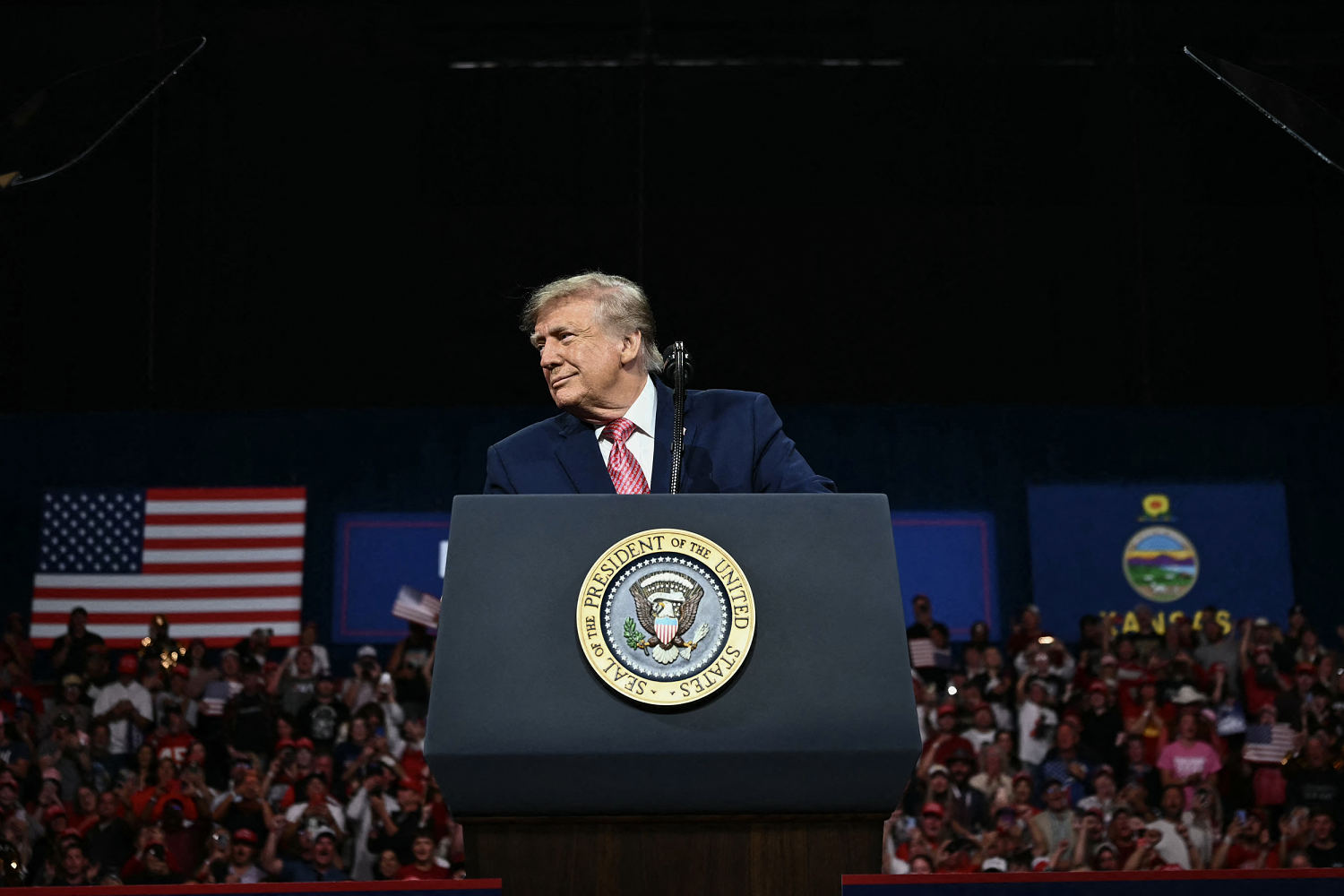
For decades, political mapmakers treated Kansas like a painted brick. Solid. Heavy. Safe. When Donald Trump eyed the state and weighed the unthinkable—that a Democrat could actually claim victory on ground long considered untouchable—he was staring at more than a shift in voter registration. He was staring at a crack in the bedrock of American political certainty. You might also find this similar story useful: Inside the East Potomac Tree Felling Fight Nobody is Reading Right.
Even a politician built on bravado knows when the math in a room starts feeling uneasy. Consider what happens next: a place that has voted Republican in every presidential election since 1968 suddenly begins to look less like a fortress and more like a weathervane.
The Quiet Fracture Under the Wheat
Numbers on a spreadsheet rarely smell like diesel fuel and scorched earth. They look clean. Cold. Polite. As reported in detailed reports by Reuters, the effects are widespread.
Out in western Kansas, near the dry creek beds where irrigation pivots turn slowly like giant metal compasses, life is measured in inches of rain, equipment loan rates, and whether the grain elevator is offering enough to keep a family operation afloat through winter. That is where abstract political talk collides with Tuesday-morning reality.
To make these stakes tangible, picture a hypothetical family farm outside Dodge City—let's call them the Millers, a composite drawn from real conversations across high-plains farming counties where generational loyalty runs deep, yet pocketbook anxiety cuts sharper every year. At the kitchen table before dawn, the conversation isn't about cable news talking points. It is about crop insurance, property taxes, hospital drives that take forty minutes longer than they used to, and whether the younger generation sees a reason to come home after college.
That tension is the quiet engine behind why a leader who commands fierce devotion in ruby-red territory has reason to pause. A map doesn't vote. People do. And people change their minds—or stay home—when the ground beneath their boots feels unstable.
Why a "Safe" State Is Never Truly Safe
Politics has a bad habit of mistaking habit for permanence. Think of it like a bank vault that hasn't been opened in forty years: everyone assumes the lock still holds because nobody bothered to test the tumblers.
Historically, Kansas has a streak of stubborn independence that surprises outsiders who only see the red shading on election night. Long before modern partisan sorting hardened into dogma, Kansans showed they could split tickets, back pragmatic governors of either party, and draw a hard line on local issues like school funding and bodily autonomy. Voters who consistently choose conservative candidates at the top of the ticket can still reject rigid orthodoxy when it touches their families or their wallets.
When Trump weighs the possibility of a Democratic win in Kansas, he isn't necessarily predicting a sudden wave of progressive ideology sweeping from Kansas City to the Colorado border. More often, a sober political calculation rests on three quieter hazards:
- Persuadable suburbs and exurbs: Rapidly growing pockets around Johnson County and parts of Sedgwick County bring college-educated households, shifting commuter patterns, and tighter margins that can erode a rural cushion.
- Enthusiasm gaps: Turnout is a seesaw. A base that shows up at eighty percent can win by a landslide; a base that stays home at sixty-five percent leaves the door ajar.
- Cross-pressure on everyday costs: Tariffs, input costs, healthcare premiums, and interest rates don't check a party label before hitting a household budget.
I have stood on enough dusty county fairgrounds and small-town sidewalks to know how misleading certainty can be. Sometimes people vote the way they always have right up until the moment they don't. And sometimes the most dangerous signal for a frontrunner isn't loud protest—it's a neighbor saying, quietly, that they aren't sure anymore.
The Weight of Contemplation
There is something revealing in the act of contemplation itself. Power usually projects inevitability. When a dominant figure openly wonders or privately calculates whether a stronghold could slip away, it shifts the psychological weather.
Imagine a late-night strategy room—a purely hypothetical reconstruction of how campaign war rooms weigh risk when polling noise grows louder than usual. Maps glow on screens. County-by-county margins from past cycles sit beside turnout models and swing-voter notes. Someone points to a thin margin in a county that used to be padded by thousands of votes. Another voice argues it's just statistical static, a bad sample, a blip that will vanish by November.
Yet doubt has a way of lingering once it enters the room. Even a small percentage of defectors or non-voters in a state with a modest electoral footprint matters because of what it symbolizes. If Kansas trembles, no red state is purely ornamental. Every rally becomes a test of energy rather than a victory lap. Every policy choice carries a sharper edge.
And I will be honest: watching long-standing political assumptions buckle is disorienting, even for people who follow this work closely. You can spend years learning historical trends only to watch demographics, economic strain, and cultural fatigue rewrite the rules in real time. Anyone who claims they know with total certainty how a fickle electorate will break in a high-stakes cycle is selling confidence they haven't earned.
Beyond the Red-and-Blue Illusion
The real problem lies elsewhere: we talk about states as if they are monolithic blocks of clay instead of millions of complicated lives stacked side by side.
A rancher near Garden City and a software analyst in Overland Park may live inside the same state borders, yet inhabit entirely different economic rhythms. One watches commodity prices and aquifer levels; the other watches housing affordability, school boards, and commute times. When political coverage reduces all of that texture to a single color on a map, it misses the human friction that actually moves votes.
If a Democratic contender ever found a path in Kansas, it wouldn't come from pretending the state is Massachusetts. It would come from speaking fluently to practical concerns—rural healthcare access, property tax relief, steady jobs, and a tone that doesn't treat heartland voters like museum pieces. Conversely, if Trump holds the line comfortably, it will be because enough Kansans still trust his strength and instincts more than the alternative, even when times are tight.
Either way, the mere possibility forces a reckoning. Loyalty isn't an heirloom that passes down automatically without care. It has to be earned again every cycle, in every county, across every kitchen table where people decide who actually sees them.
Out past the towns, the wind keeps moving through the wheat, bending the stalks in long silver waves toward the sky, indifferent to every map ever drawn.