Every Tuesday evening, Maria sits at a laminate kitchen table in Scranton, Pennsylvania, and performs a ritual that has become increasingly painful. She flattens a crumpled grocery receipt against the table. Beside it lies a stack of mail, most of it containing numbers she would rather ignore. Maria isn’t a macroeconomist. She doesn't spend her days analyzing the Federal Reserve’s overnight lending rate or the fluctuations of the yield curve. But as she looks at the price of a gallon of milk—which has climbed with the stubborn persistence of a mountain climber—she is living the exact collision of policy and reality that will define the upcoming midterm elections.
The national conversation often treats the economy like a weather pattern: something vast, distant, and uncontrollable. We talk about "inflation" as if it’s a sentient monster and "tax cuts" as if they are magical spells. But for Maria, and millions of voters like her, the economy isn’t an abstract graph on a cable news screen. It is the weight of her wallet. It is the decision to buy generic cereal so she can afford the gas to get to work.
The Two-Headed Coin
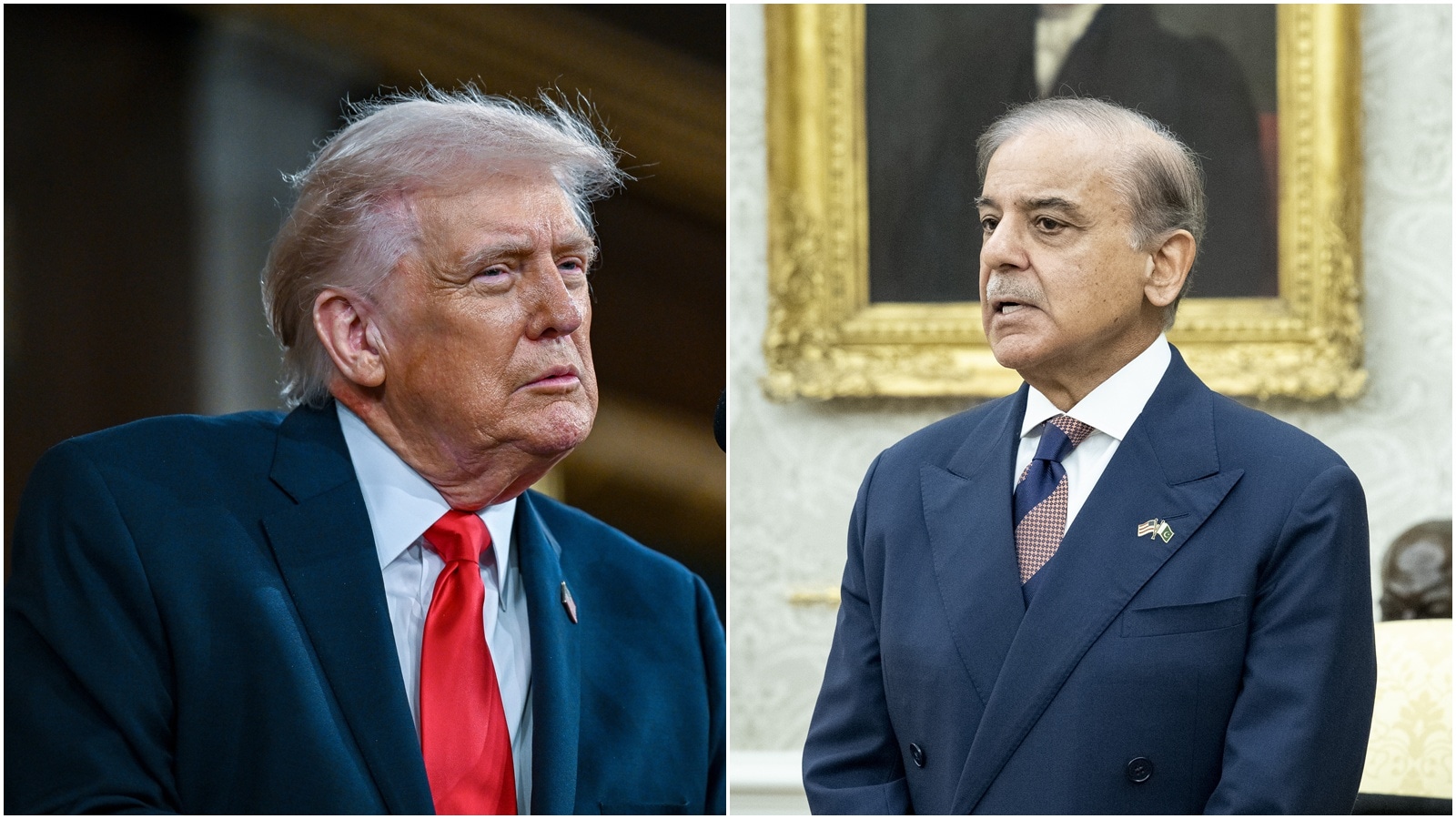
When Donald Trump speaks at rallies, he points to a specific vision of American prosperity. He talks about the 2017 Tax Cuts and Jobs Act as a cornerstone of his legacy, a move designed to put more money into the pockets of corporations and, theoretically, the workers they employ. For many voters, that extra twenty or fifty dollars in a weekly paycheck felt like a victory. It was a tangible sign that the government was, for once, taking less so they could have more.
But money is never just a number; it is a relationship with the cost of living.
The problem arises when that extra fifty dollars in a paycheck meets a world where the cost of eggs, rent, and electricity has outpaced it. This is the friction point. We are currently witnessing a historic clash between fiscal policies that aimed to stimulate growth and a global inflationary surge that has effectively canceled those gains for the middle class. While the tax cuts reduced the "out" flow of money from a household's bank account to the IRS, inflation has increased the "out" flow to everyone else.
Imagine a bathtub. The tax cuts were meant to keep more water in the tub by plugging a small leak in the drain. Meanwhile, inflation has turned into a giant siphon, pulling water out over the top faster than the faucet can keep up.
The Invisible Stakes of the Midterms
As we move toward the voting booths, the central question isn't just about who spent what or who cut what. It’s about trust. Voters are currently being asked to choose between two competing interpretations of their own suffering.
On one side, the Republican narrative emphasizes that the Biden administration's spending—specifically the American Rescue Plan—dumped too much cash into an economy already struggling with supply chain bottlenecks, sparking the inflationary fire. They point back to the Trump era as a time of low prices and corporate expansion. They argue that returning to a regime of deregulation and further tax reductions is the only way to "unleash" the economy.
On the other side, Democrats and many economists argue that the 2017 tax cuts primarily benefited the wealthy and did little to build a resilient infrastructure for the working class. They contend that the current inflation is a global phenomenon, a hangover from a pandemic that broke the world’s logistics, and that the tax cuts actually contributed to a deficit that limits the government’s ability to help people now.
Maria doesn't care about the blame game. She cares that her "extra" money from five years ago has been swallowed by the cost of a carton of eggs.
The Psychological Price of a Dollar
There is a psychological exhaustion that comes with a volatile economy. When prices remain stable, people can plan. They can save for a child’s college fund or a new roof. But when the price of basic goods fluctuates wildly, the future becomes a fog. This "inflationary anxiety" is a potent political force. It makes people feel like they are running on a treadmill that is slowly speeding up; no matter how hard they work, they are staying in the same place, or worse, slipping backward.
The Trump economic model relied heavily on the idea that if you help the top, the bottom will eventually rise. However, the lived experience of many voters suggests a different reality. While the stock market saw record highs, the "real" economy—the one where people buy tires and pay for childcare—remained fragile.
Consider the hypothetical case of a small business owner in Ohio named Greg. Greg runs a machine shop. He saw his corporate tax rate drop, which allowed him to buy one new piece of equipment. He felt optimistic. But now, the cost of the raw steel he needs has tripled. The electricity to run his shop has spiked. The "win" he felt from the tax cut has been eclipsed by the "loss" of his purchasing power. Greg is the swing voter the candidates are terrified of: someone who saw the promise of a policy but is now feeling the sting of a changing world.
The Midterm Calculus
This election isn't a referendum on a single bill or a single president. It is a mass assessment of the American standard of living. Voters are looking at their bank statements and asking a simple, devastating question: Am I better off?
The answer is complicated because the economy is currently a series of contradictions. Unemployment is low, yet consumer confidence is shaken. Jobs are plentiful, yet wages can’t keep up with the grocery bill. In this environment, the "Trump economy" becomes a symbol of a pre-inflationary past that many are nostalgic for, even if the policies themselves aren't the direct cure for the current ailment.
Political strategists know that people vote with their gut, and the gut is directly connected to the wallet. If the Republican party can successfully link the current pain to Democratic spending, they win. If the Democrats can successfully frame the inflation as a corporate-driven, global issue while highlighting the "unfairness" of the Trump tax cuts, they might hold on.
But for the person standing in the checkout line, these are just words. They are looking at the digital readout on the register. They are watching the numbers climb.
The Weight of the Choice
We often talk about the "economy" as if it's a machine we can fix with the right wrench. It’s not. It’s a collective agreement of value and a reflection of our priorities. The collision of tax policy and inflation is ultimately a story about what we value more: the freedom to keep what we earn or the stability of the society we live in.
When the ballots are cast, they won't just be pieces of paper. They will be receipts. They will be the accumulated frustration of millions of people who feel that the rules of the game have changed without their consent. They are the marks of people who are tired of being told the economy is "strong" while their own personal ledgers tell a story of struggle.
Maria finishes her ritual. She folds the grocery receipt and puts it in a drawer. She knows exactly how much she has left for the month, and it isn't much. She will go to the polls in a few weeks, not as a partisan, but as a consumer. She will carry the weight of that receipt with her into the voting booth. The silence of the curtain closing behind her will be the only moment of peace she’s had all week—a brief second before she has to go back out and figure out how to make a shrinking dollar cover a growing world.
The ink on the receipt is fading, but the numbers are etched into her mind.