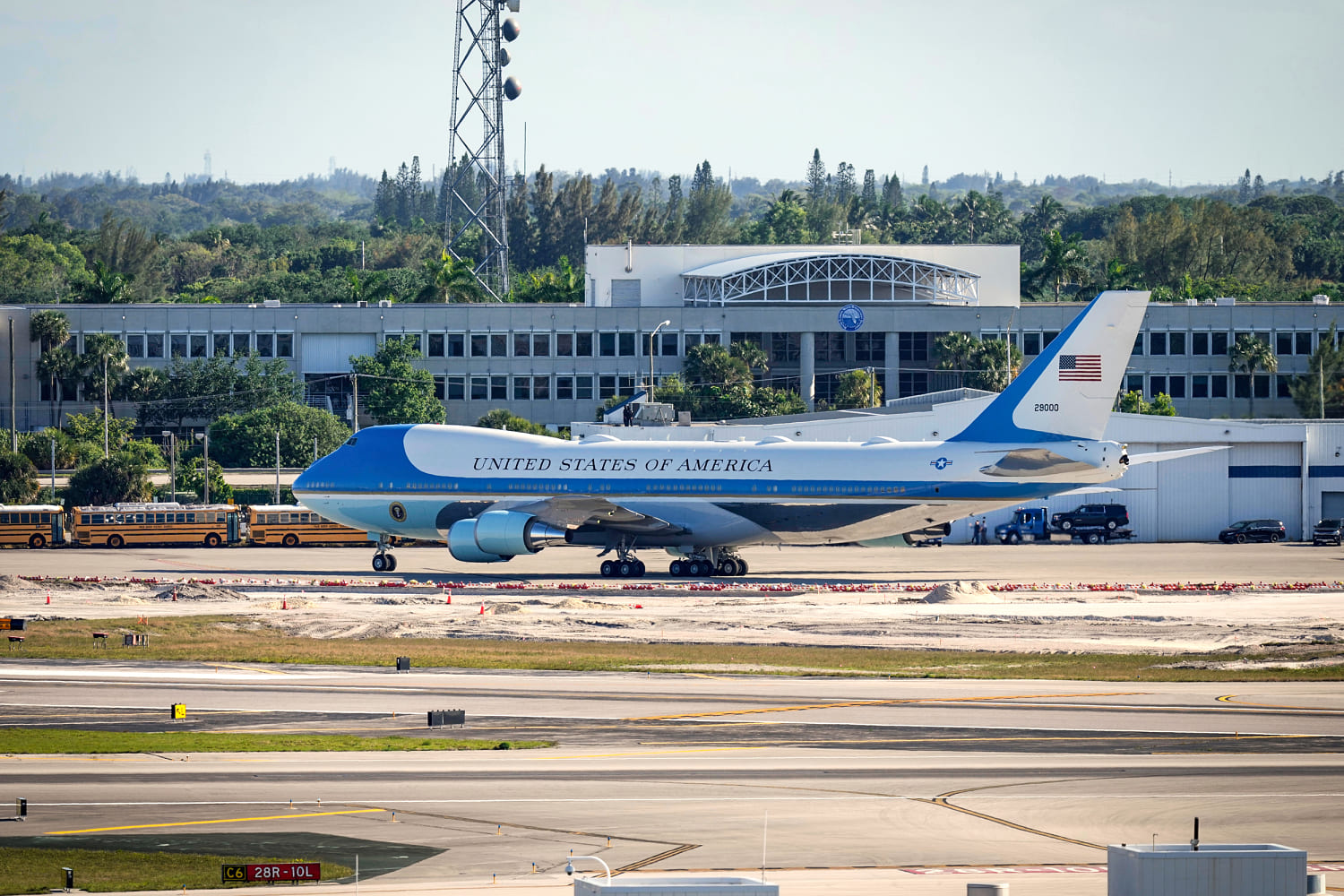
Florida Governor Ron DeSantis signed legislation on Monday to rename Palm Beach International Airport (PBI) as the President Donald J. Trump International Airport. While the headlines focus on the political theater of branding a gateway just five miles from Mar-a-Lago, the real story lies in a calculated $5.5 million taxpayer-funded rebranding effort and a curious web of trademark filings that ensure the Trump name remains a commercial powerhouse.
The transition is slated for July 1, 2026. For decades, PBI has served as the quiet, upscale alternative to the chaos of Miami and Fort Lauderdale. Now, it is being transformed into a permanent monument to the 45th and 47th President, a move that effectively preempts local control and nationalizes a piece of South Florida infrastructure.
The Trademark Trap
Beneath the surface of legislative victory laps lies a sophisticated intellectual property play. In February, while the bill was still moving through the Florida House and Senate, DTTM Operations LLC—a Delaware-based entity managed by the Trump Organization—quietly filed several "intent-to-use" trademark applications with the U.S. Patent and Trademark Office.
These filings cover "President Donald J. Trump International Airport," "Donald J. Trump International Airport," and the shorthand "DJT." On paper, the Trump Organization claims they will not seek royalties or licensing fees from the state for the use of the name. However, the scope of these trademarks extends far beyond the sign on the terminal. The applications include rights for travel-related merchandise, luggage, and even specialized flight gear.
By securing these trademarks, the family business ensures that any third-party vendor—from gift shop operators to luxury lounge partners—wishing to sell "Trump International Airport" branded gear must play by the Organization’s rules. It is a masterclass in brand protection. The state pays for the sign; the brand owner controls the gift shop.
Bypassing the Local Gatekeepers
The mechanism of this renaming is as notable as the name itself. Traditionally, naming an airport is a local affair, decided by county commissions or regional authorities. In this case, the Republican-led Florida Legislature utilized a preemption strategy.
House Bill 919 took the power out of the hands of Palm Beach County officials—many of whom represent a constituency that did not vote for Trump in 2016, 2020, or 2024—and handed it to the state. This wasn't a request; it was a mandate.
State Senator Debbie Mayfield and other supporters argue the move is a fitting tribute to Florida’s most famous resident. Critics, including Senate Democratic Leader Lori Berman, argue that public infrastructure is being converted into "political billboards" against the will of the local taxpayers who use them. The divide isn't just partisan; it is a fundamental shift in how Florida governs its local assets.
The Five Million Dollar Face Lift
Rebranding an international airport is not as simple as swapping a few signs at the entrance. The Florida budget has earmarked approximately $5.5 million to facilitate the transition.
This capital is not just for physical signage on I-95 or the terminal facade. It covers a massive overhaul of internal systems:
- Navigational databases: Every global aviation chart and GPS system must be updated to reflect the new designation.
- Audio and Messaging: Re-recording all automated overhead announcements and emergency messaging systems.
- Fleet Rebranding: Repainting ground service equipment, airport vehicles, and updating thousands of staff uniforms.
- Digital Infrastructure: A total migration of the airport's web presence and internal IT systems.
The FAA has already signaled that while they do not "approve" name changes—viewing them as local administrative matters—they must now begin the labor-intensive process of updating federal navigational charts.
A Growing Portfolio of Public Assets
This is not an isolated event. Since returning to the White House in January 2025, the President has seen his name attached to a variety of public institutions, ranging from the John F. Kennedy Center for the Performing Arts to proposed skyscraper libraries in Miami.
Just hours after DeSantis signed the airport bill, the President unveiled digital renderings for a presidential library tower in downtown Miami. The design features a piercing skyscraper with signature gold lettering and a lobby large enough to house a presidential jet. This rapid-fire branding of the Florida landscape suggests a long-term strategy to cement a legacy in steel and stone, funded by a mix of private donations and state legislative support.
The Practical Fallout for Travelers
For the 8.6 million passengers who pass through the airport annually, the change will likely be more cosmetic than operational. Flights will still take off from the same three runways. The IATA code—PBI—will remain unchanged, as codes are rarely altered due to the immense technical risk of breaking global booking systems.
However, the cultural shift is inescapable. Travelers will soon be greeted by "Trump International" branding before they even clear the TSA checkpoints. In a county where the political divide is as sharp as a razor, the airport has become the ultimate piece of contested territory.
Florida has made its choice. The state has decided that its infrastructure is the perfect canvas for political tribute. Whether this becomes a blueprint for other red states looking to honor the President or a cautionary tale of taxpayer-funded branding remains to be seen. One thing is certain: when you land in West Palm Beach after July 1, you are landing in Trump territory.