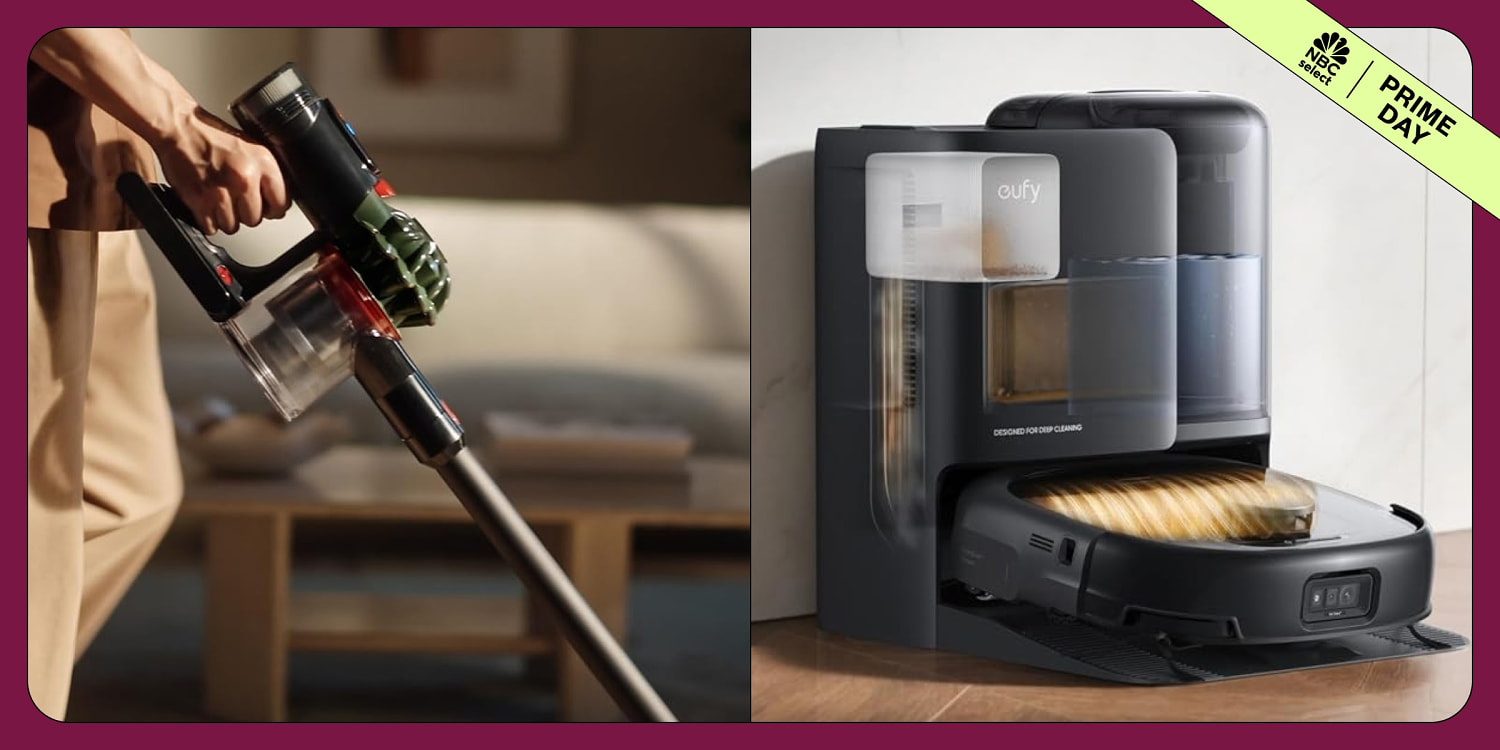
Retailers slash prices by up to half on brands like Dyson, Shark, and Roborock during autumn shopping events, presenting consumers with an overwhelming cascade of markdown percentages. These early October sales events, often marketed as massive inventory liquidation opportunities, obscure a much more calculated supply chain mechanism. Millions of units sit in fulfillment centers as third-quarter financial targets close and fourth-quarter holiday inventory prepares to arrive. Companies must clear floor space. They use deep discounts not out of pure generosity, but out of absolute warehouse necessity.
The marketing machine relies on sticker shock. An upright vacuum listed with an original price of six hundred dollars suddenly dropping to three hundred looks like a financial victory. Yet understanding the true value requires looking past the slash marks. Many of these heavily discounted models are older iterations of established product lines, or they feature minor cosmetic variations created specifically to hit promotional price points during major retail holidays. Manufacturers build specific SKUs exclusively for promotional windows, ensuring that the baseline MSRP is inflated enough to absorb a fifty percent cut while maintaining healthy profit margins for both the vendor and the platform.
Consumers face a dizzying array of choices across three distinct categories: traditional corded uprights, cordless stick vacuums, and autonomous robot vacuum-mop hybrids. Each category behaves differently under the pressure of seasonal markdowns. Traditional uprights like the Shark Navigator or legacy Dyson ball models represent mature technology. Their manufacturing costs have bottomed out, meaning a steep discount on an upright cleaner usually reflects genuine clearance of older stock that manufacturers no longer wish to store. These machines lack smart connectivity or motorized self-cleaning docks, but they offer reliable, high-suction performance for households that prioritize raw cleaning power over convenience.
Cordless stick vacuums tell a different story. Batteries dictate their lifespan and value proposition. When shoppers see a mid-tier cordless stick discounted by thirty percent during an autumn event, they are often buying into a battery lifecycle that is already ticking. Lithium-ion cells degrade over time, even when sitting idle in a warehouse box. A model manufactured eighteen months prior will experience diminished battery capacity faster than a freshly assembled unit rolling off an active line. Buyers rarely consider that a discounted battery-powered appliance comes with a built-in expiration date on its most expensive component.
Robot vacuums introduce another layer of complexity. High-end units featuring automatic dust emptying, heated mop washing, and advanced LiDAR navigation command steep baseline prices exceeding one thousand dollars. When these premium autonomous cleaners drop by four hundred or five hundred dollars during October promotions, the price reduction is substantial, but it masks the ongoing operational costs. Proprietary dust bags, specialized cleaning solutions, replacement mop pads, and filter assemblies create a recurring expense stream. The hardware discount functions as an acquisition tool for consumable revenue streams.
The Suction Specification Arms Race
Marketing materials love large numbers. Manufacturers frequently boast about astronomical pascal ratings, claiming suction pressures of twenty thousand or even forty thousand pascals. These figures sound impressive in a bulleted feature list, but they bear little resemblance to actual cleaning performance on standard residential carpets. Raw motor suction tells only part of the story. Airflow velocity, brushroll design, seal integrity, and floorhead height adjustment dictate whether a vacuum actually lifts embedded dirt or merely seals itself uselessly against a rug.
A high pascal rating often masks poor engineering choices. If a machine relies on an excessive vacuum seal to compensate for a poorly designed agitator brush, it will stall on medium-pile carpets and drain its battery at an unsustainable rate. Investigative reviews of lab-tested appliances reveal that moderate-suction units with engineered airflow paths consistently outperform high-powered competitors that lack proper aerodynamic design. Consumers chasing the biggest discount on the highest nominal suction rating frequently end up with loud, power-hungry machines that fail basic real-world cleaning tests.
Furthermore, battery life claims stated in promotional listings represent best-case scenarios achieved in laboratory settings under eco mode with all motorized attachments disabled. Operating a cordless stick vacuum on its maximum power setting to pull pet hair out of dense carpet fibers routinely cuts runtime from sixty minutes down to twelve. Buyers who ignore this operational reality find themselves rushing through weekly chores before the machine dies mid-room.
The Maintenance Trap Of Autonomous Floor Care
Autonomous cleaning appliances represent the fastest-growing segment of the home hardware market, yet they also generate the highest volume of buyer remorse after the initial discount euphoria fades. A complex robotic cleaning system with dual rotating mops, automated dock washing, and obstacle-avoidance cameras contains dozens of moving parts exposed to dust, moisture, and hair fibers.
When these machines break down outside of their initial warranty window, repair options are virtually non-existent. Consumer electronics companies design these appliances for replacement rather than repair. Modular sub-assemblies cannot be easily swapped by a local repair shop. If a navigation sensor fails or a water pump clogs permanently, the entire base station or robot chassis becomes electronic waste. A fifty percent discount on a complex robot vacuum looks less attractive when factoring in a three-year lifespan before catastrophic mechanical failure.
Consumables add another hidden burden. Manufacturers of premium autonomous units design their docking stations to accept only proprietary dust bags and branded cleaning solutions. Using third-party alternatives often voids the warranty or triggers error codes that halt the cleaning cycle entirely. The initial savings realized during an autumn sale evaporate over a few years of purchasing mandatory proprietary accessories.
Reading Between The Marketing Lines
Navigating major promotional events requires a disciplined approach to retail data. Price tracking tools reveal that many items featured prominently in seasonal shopping events hovered at similar or even lower price points during minor promotional windows earlier in the year. The label of a historic low price is frequently an illusion crafted by raising the baseline price weeks before the event, only to drop it back to standard market value under the guise of an exclusive discount.
Discerning buyers look past the percentage-off badge. They check historical price volatility, evaluate the actual manufacturing date of battery-dependent appliances, and calculate the total cost of ownership including replacement consumables. Premium engineering, reliable customer support, and standardized parts matter far more than a fleeting markdown designed to clear warehouse floor space before winter.
Assess your specific floor surfaces, layout constraints, and maintenance tolerance before clicking purchase on any discounted appliance. If a bargain requires expensive proprietary upkeep or offers a battery life that cannot survive a single cleaning cycle, the low price tag represents an expensive mistake. Quality cleaning tools endure through multiple years of heavy use without demanding constant oversight or expensive consumable replacements. Make your purchasing decisions based on structural merit rather than artificial urgency.