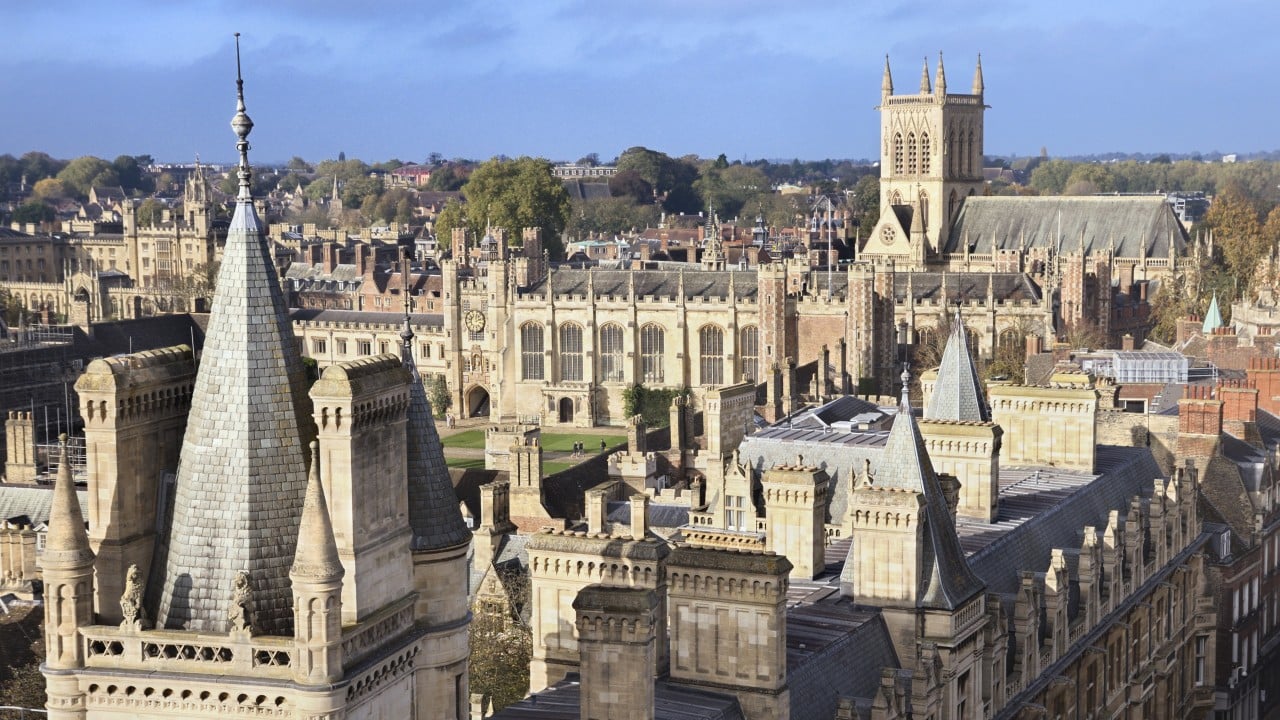
The Jardine Foundation has officially pulled the plug on its 44-year-old undergraduate scholarship scheme for Oxford and Cambridge, sending shockwaves through elite academic advisory circles across Asia. For over four decades, the fully funded route—established in 1982 to mark Jardine Matheson's 150th anniversary—served as the golden ticket for elite students from Hong Kong, Singapore, mainland China, and across the region. Now, students entering university in the autumn of 2026 will form the final cohort.
Corporate philanthropy rarely shifts direction without pressure. The official narrative points to an ongoing strategic pivot toward regional investment, expanding local educational access within Asian universities like Hong Kong University and Indonesia's Universitas Gadjah Mada. But look past the carefully sanitized press releases, and a more pragmatic corporate calculus emerges.
The Economics of Elite Mobility
Financing an undergraduate degree at an Ivy-Plus or Oxbridge institution has transformed into an astronomical fiscal commitment. Tuition fees for international students in the United Kingdom have climbed aggressively year after year, compounded by runaway living costs in southern England.
When the Jardine Foundation was minted, sending a handful of exceptional teenagers to Cambridge's Trinity College or Oxford's Exeter College was an unmatched tool for elite brand-building. It created an internal alumni pipeline of loyal, Western-credentialed technocrats primed to enter the upper echelons of trading houses, banks, and conglomerates.
Times change. The return on investment for Western undergraduate degrees has soured in the eyes of multinational boardrooms operating out of Hong Kong and Singapore. Local institutions have risen sharply in global academic rankings. At the same time, regional economic powerhouses prefer grooming talent locally rather than subsidizing the export of top-tier minds to British ivory towers—minds that too frequently choose to remain in Europe after graduation.
Shifting Capital to Domestic Shores
The foundation's recent structural adjustments reveal where corporate priorities actually lie. While the undergraduate Oxbridge pipeline is being systematically dismantled, postgraduate scholarships at Oxford and Cambridge remain untouched.
This distinction matters. Undergraduate education builds generalists; postgraduate and professional degrees cultivate targeted expertise. By redirecting undergraduate capital toward local and regional partner institutions, Jardines is effectively localizing its philanthropic footprint.
Funding a student at Universitas Gadjah Mada or Hong Kong University costs a fraction of an Oxbridge package, meaning the same absolute dollar amount multiplies its numerical reach across local communities.
- Cost Efficiency: Regional tuition and living expenses allow single-sponsor foundations to multiply the total volume of beneficiaries.
- Retention Risk: Undergrads sent abroad at age eighteen frequently integrate into Western job markets, whereas postgraduate scholars often return home with specialized professional networks.
- Geopolitical Realities: Aligning corporate social responsibility with domestic institutional growth in Asia matches the broader macroeconomic pull of the region.
The Shrinking Prestige Pipeline
For decades, the cultural currency of an Oxbridge degree backed by a major corporate sponsor carried immense weight. Families across Southeast Asia and Greater China spent years grooming children specifically to clear the rigorous multi-tier vetting process demanded by the foundation.
That specific avenue of elite social mobility is now history. Students aiming for a fully-funded British undergraduate experience must look elsewhere, navigating an increasingly crowded and expensive landscape of independent grants and university-specific bursaries.
The end of this 44-year run signals the quiet closing of an era where Western European universities held an undisputed monopoly on corporate Asia's definition of elite potential. The capital is staying home, and the institutional ambitions of Asian conglomerates are turning inward.

.png?itok=1mb05mKJ)

