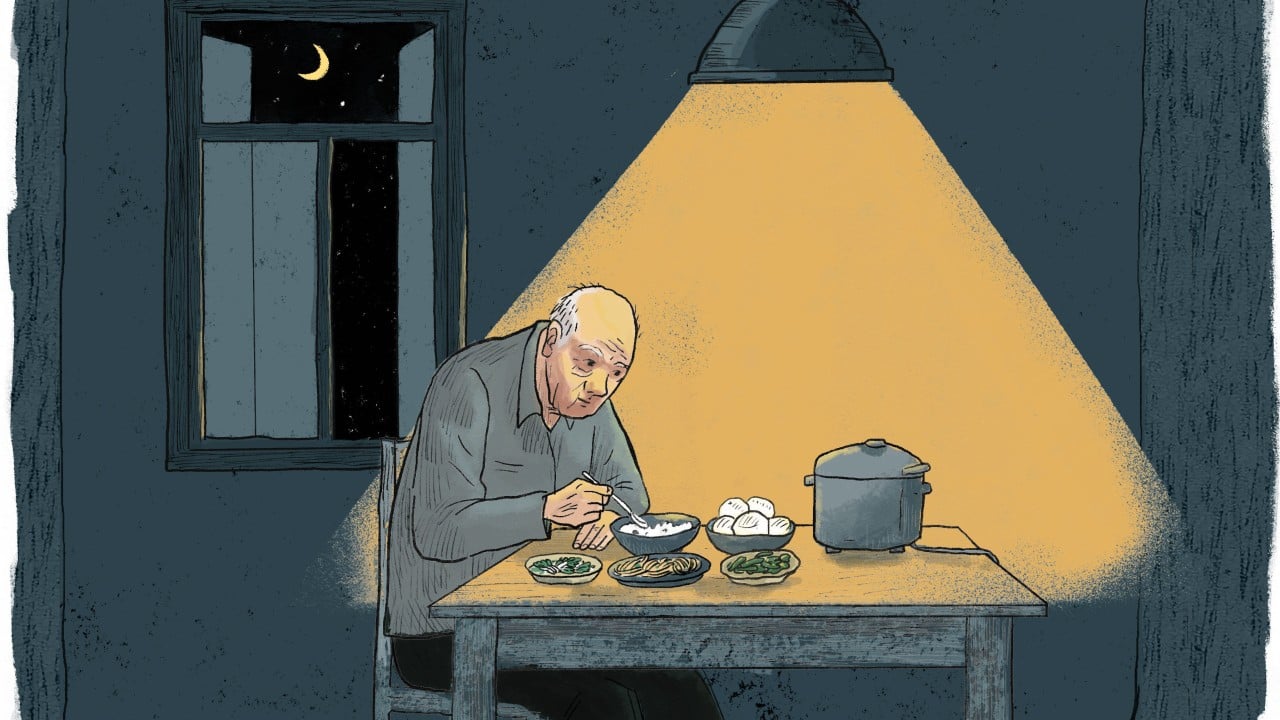
Hong Kong frequently tops global charts for life expectancy, but these glowing statistics obscure a grim reality unfolding inside the city's concrete high-rises. Thousands of isolated older adults are experiencing severe nutritional decline, effectively eating merely to survive rather than to thrive. This hidden crisis stems directly from profound social isolation, which fundamentally alters dietary habits and exponentially increases malnutrition risks. While structural issues like soaring food costs and physical frailty contribute to the problem, the absence of meaningful social interaction remains the primary driver behind this silent domestic famine.
The Illusion of Longevity
For decades, public health experts pointed to Hong Kong as a blueprint for healthy aging. The city standard features a public transit system that keeps seniors moving, high-quality public healthcare, and a traditional diet centered around steamed fish, clear broths, and fresh wet-market vegetables.
The baseline numbers look pristine, yet they mask a sharp demographic fracture.
Data from the Census and Statistics Department reveals that the number of older individuals living alone in the city surged from 173,100 in 2020 to roughly 247,700 by late 2025. That is a massive 43 percent increase in just five years. Within these solitary households, the celebrated Hong Kong diet disappears. It is replaced by a monotonous, nutrient-deficient routine driven by a lack of purpose.
When an older person loses a spouse or becomes disconnected from family, the ritual of cooking changes from an act of care into an exhausting chore. Preparing a traditional balanced meal involving multiple dishes requires physical effort that single seniors rarely justify for themselves.
Instead, they pivot to hyper-simplified options. A single bowl of plain white congee, a plate of instant noodles with soy sauce, or a piece of stale bread becomes the standard daily intake. These choices are cheap and easy, but they lack essential proteins, vitamins, and minerals.
The Neurobiology of Eating Alone
Dietary decline is not merely a matter of personal motivation or shifting moods. The human brain is wired to view eating as a communal activity. Social interaction stimulates the vagus nerve and triggers the release of hormones that regulate appetite and digestion.
Without a dining companion, the neurological feedback loop that makes food rewarding begins to fail.
Clinical research shows a stark, bidirectional link between social isolation and malnutrition. A cross-sectional study analyzing over 10,000 older adults found a powerful synergistic interaction between these two factors. Isolated individuals who suffer from poor nutritional intake show an drastically elevated risk of rapid cognitive decline compared to those who maintain a strong social network.
+------------------------------------+--------------------------+
| Dietary Pattern                    | Key Nutritional Deficits |
+------------------------------------+--------------------------+
| White congee & preserved vegetables| Protein, Vitamin B12     |
| Instant noodles in seasoned broth  | Zinc, Iron, Vitamin C    |
| Plain white bread or basic buns    | Calcium, Healthy Fats    |
+------------------------------------+--------------------------+
When an older adult eats alone day after day, their taste buds naturally dull with age. Salt and sugar are often the only flavors that register. This leads to an over-reliance on preserved foods, like salted fish or canned mustard greens, which spikes sodium intake while doing nothing to combat underlying muscle wasting or micronutrient deficiencies.
Why Institutional Interventions Are Missing the Mark
The standard policy response to this crisis relies heavily on financial aid and passive meal delivery services. The government expanded the Community Care Service Voucher scheme to assist thousands of vulnerable seniors, and non-profit organizations regularly distribute free aluminum meal boxes to low-income residents in districts like Sham Shui Po and Kwun Tong.
These programs provide a vital caloric safety net. They do not, however, solve the root problem of isolation.
A meal box left on a doorstep or handed over in a hurried transaction satisfies basic caloric requirements, but it does not restore the psychological appetite. Social workers on the ground observe that without conversation or human connection, many distributed meals sit cooling on tables, partially eaten or discarded entirely.
Financial aid is a necessary shortcut, but it cannot replace the structural support of a community.
Furthermore, the design of modern high-density public housing estates inadvertently exacerbates this isolation. Subdivided flats and microscopic single-occupancy units lack communal cooking or dining spaces. Seniors remain segregated behind locked doors, invisible to their neighbors and detached from the vibrant street life that historically kept older generations integrated into society.
Redefining the Solution Through Social Infrastructure
Fixing this nutritional crisis requires moving beyond the delivery of raw calories. The focus must shift toward rebuilding the social architecture around food.
Some grassroots organizations are shifting their approach by using meal distributions as a pretext for deeper engagement. Instead of dropping off a box and leaving, volunteers sit down, talk, and track the wellness of the recipient.
Creating neighborhood-based communal kitchens where older adults can gather to cook together, share recipes, and eat collectively offers a scalable remedy. These spaces transform eating from a biological necessity back into a social event, naturally incentivizing seniors to diversify their diets and consume the nutrient-dense foods required to protect their cognitive and physical health.
Relying on high life expectancy statistics to prove that the aging population is thriving is a dangerous mistake. Survival is not the same as well-being. Until policy decisions prioritize the social environment of the elderly as heavily as their medical care, the reality of Hong Kong aging will remain a story of isolated individuals quietly starving in plain sight.