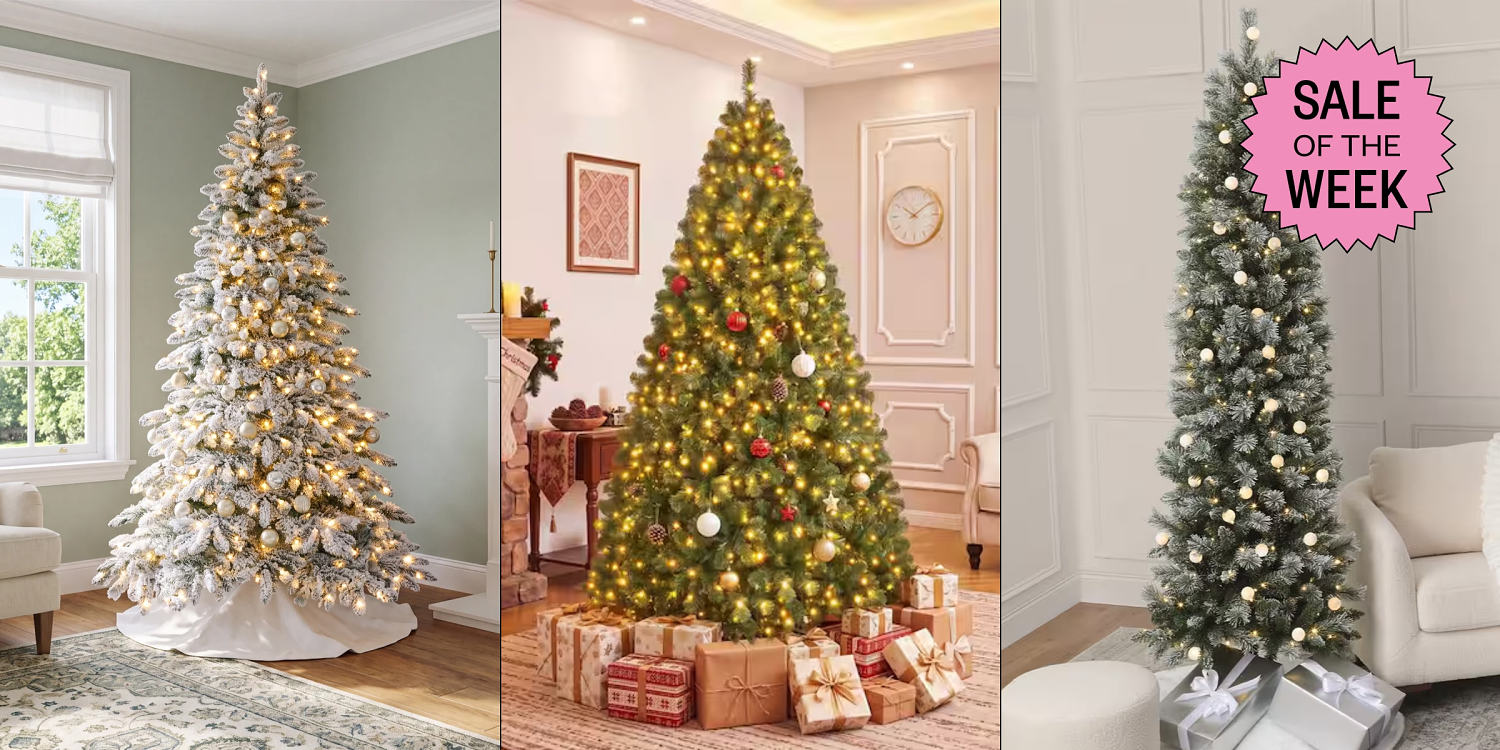
Walk down any big-box seasonal aisle this November, and you will notice an immediate, jarring shift. The sterile, all-white winter wonderlands and sparse, beige Scandinavian branches that dominated living rooms for the last decade are effectively dead. 2026 Christmas decor trends are defined by a sharp, deliberate swing toward tactile maximalism, heritage nostalgia, and moody, high-contrast color palettes. Homeowners are actively rejecting disposable plastic minimalism in favor of deep burgundy velvets, tarnished brass, oversized paper artistry, and heirloom-grade ornaments that feel lived-in rather than curated for an algorithm.
This is not an accident of fleeting aesthetic whimsy. Every major design movement in the home furnishings sector is an economic and psychological reaction to the preceding era. After years of economic friction, digital fatigue, and homes that increasingly resemble sterile medical waiting rooms, consumers are treating holiday decorating as a form of sensory insulation. They want weight. They want warmth. Most importantly, they want objects that do not look like they rolled off an automated assembly line six weeks ago in a shipping container.
The Death of the Beige Holiday
For nearly ten years, the interior design industry pushed a sanitized version of the holidays. If a tree did not feature muted champagne globes, bleached pinecones, and a neutral linen tree skirt, it was deemed visually cluttered. That era has collapsed under the weight of its own monotony.
When you strip away color, texture, and personal history from a seasonal celebration, you strip away the emotional utility of the ritual itself. People do not hang ornaments because they want their living room to look like a luxury hotel lobby. They do it to trigger memory and establish a distinct boundary between the grind of the working year and the sanctuary of winter rest.
In 2026, the pendulum has swung hard in the opposite direction. Designers and buyers at major wholesale markets spent the past eighteen months sourcing materials that absorb light rather than reflect it. Glossy plastics and blindingly bright cool-white LEDs are being replaced by matte ceramics, raw wool, unlacquered metals, and warm-spectrum filaments that mimic the low amber glow of actual beeswax candles.
Why Cool White LEDs Finally Lost the Room
Lighting is the single most overlooked factor in holiday design, yet it dictates the emotional temperature of an entire house. The mass adoption of early-generation LED string lights gave millions of homes the harsh, bluish glare of a convenience store freezer.
The dominant lighting shift this season centers on 2200K warm-amber bulbs and vintage-style C7 and C9 ceramic-coated glass lamps. These bulbs cast a deep, golden-orange light that flatters natural greenery and makes metallic accents glow rather than glare. If you change nothing else about your setup this year, swapping out cool-white strands for warm-amber filaments will immediately anchor your space in the current aesthetic.
Heavy Heritage and the Ralph Lauren Effect
If you want to understand the dominant visual language of the 2026 holiday season, look at traditional English country houses and classic American equestrian tailoring. The industry shorthand for this movement is Heritage Maximalism, though consumers simply recognize it as the comforting, slightly moody aesthetic of a 1990s holiday film.
This look relies on specific, non-negotiable material anchors:
- Tartan and Plaid Textiles: Not the bright, cartoonish red-and-green plaids of novelty wrapping paper, but deep Black Watch tartans, muted hunting plaids, and heavy wool throws draped across sofas and wrapped around the base of the tree instead of a traditional skirt.
- Tarnished Brass and Pewter: Shiny chrome and bright gold feel too modern and synthetic for this look. Decorators are hunting for unlacquered brass candlesticks, antique silver trays, and aged pewter bells that show patina and wear.
- Dark Botanicals: Fresh cedar, fir, and eucalyptus remain staples, but they are now heavily mixed with darker, moodier foliage like magnolia leaves (with their rich brown undersides), dried blood-orange slices, hypericum berries, and deep crimson amaryllis.
The genius of this approach lies in its longevity. A heavy wool tartan blanket or a pair of solid brass candlesticks does not get packed away in a plastic bin on January second. They integrate seamlessly into standard winter decor, extending the financial value of the purchase well beyond a four-week window.
Oversized Paper Artistry and Architectural Scale
One of the most prominent structural shifts in 2026 Christmas decor trends is the manipulation of scale. Rather than buying fifty small, forgettable trinkets to scatter across mantels and bookshelves, homeowners are investing in three or four massive focal points that command an entire room.
Honeycomb paper stars and sculptural garlands have moved from niche European craft markets into the mainstream American living room. Hanging clusters of three-foot-wide, multi-pointed paper stars at varying heights in front of a large window creates instant architectural drama from both inside the house and the street outside.
Consider a hypothetical example of how this changes a standard living room layout. Instead of crowding a fireplace mantel with twenty tiny ceramic houses, fake snow, and a tangle of battery-operated fairy lights, a homeowner lays down a single thick, asymmetrical garland of real cedar and magnolia leaves. They anchor the ends with two heavy, twelve-inch brass tapers, and hang a single, oversized thirty-inch burgundy paper star directly above the mirror. The visual noise drops by eighty percent, while the perceived luxury of the room doubles.
The Return of Velvet and Tactile Bows
Ribbons are no longer just an afterthought used to hide a bare spot on a wreath. In 2026, oversized velvet bows have become the primary ornament.
Walk through high-end floral studios or browse architectural digest features this season, and you will see trees stripped almost entirely of traditional spherical baubles. In their place, long, trailing lengths of double-faced silk velvet ribbon—in shades of oxblood, forest green, burnt ochre, and dusty plum—are tied directly onto the tips of the branches, allowing the tails to cascade downward like waterfall drapery.
This trend took off for two very practical reasons:
- Cost Efficiency: A fifty-yard spool of high-end velvet ribbon costs a fraction of what it takes to outfit an eight-foot tree in hand-blown glass ornaments, yet it covers far more visual surface area.
- Durability: If you have toddlers, dogs, or cats, glass ornaments are a liability. Velvet bows cannot shatter when knocked off a lower branch, making this one of the rare design trends that actually aligns with the realities of a busy household.
To execute this properly, avoid stiff, wire-edged craft ribbons. Wired ribbon holds a rigid, artificial shape that screams commercial department store display. Look for unwired, bias-cut velvet or raw silk that droops naturally under its own weight. The goal is effortless, slightly undone elegance, not geometric perfection.
Moody Color Palettes That Replace Primary Red
For decades, standard holiday retail operated on a rigid binary: you either bought bright fire-engine red and kelly green, or you opted for metallic gold and silver. Both palettes feel aggressively dated in 2026.
The modern holiday palette has matured into deeper, earthier territory. Designers are pulling colors directly from historic oil paintings and natural winter landscapes rather than synthetic dyes.
| Outdated Palette | 2026 Replacement | Why It Works Better |
|---|---|---|
| Fire-Engine Red | Oxblood and Dried Fig | Reads as sophisticated and architectural; pairs naturally with dark wood tones. |
| Kelly Green | Deep Moss and Spruce | Blends with real evergreen foliage instead of clashing against it. |
| Bright Gold | Antique Bronze and Ochre | Adds warmth without looking flashy or metallic under indoor lighting. |
| Stark White | Warm Alabaster and Oatmeal | Softens the room and eliminates the harsh contrast of bleached white. |
These shades work together because they share a common brown or gray undertone. You can mix oxblood, moss green, antique bronze, and oatmeal in the exact same room without the space feeling chaotic. They act as complex neutrals, allowing the textures of velvet, wood, brass, and fresh greenery to carry the visual weight.
Nostalgic Kitsch and the Anti-Curation Backlash
While Heritage Maximalism dominates the upper end of the market, a fierce counter-trend has erupted among younger homeowners and vintage collectors. Call it Unapologetic Nostalgia.
A growing segment of consumers is actively hostile toward the idea of a "designer" Christmas tree where every ornament matches a predetermined color scheme. They view hyper-curated trees as sterile and soulless. Instead, they are leaning heavily into the chaotic, primary-colored warmth of the 1970s, 80s, and 90s.
This means hunting estate sales and thrift stores for specific, high-character artifacts:
- Blow-Mold Plastics: Vintage illuminated Santa Clauses, snowmen, and choir singers for the front porch.
- Tinsel Icicles: Individual strands of shimmering metallic foil draped painstakingly over branches to catch the light, reviving a practice that nearly vanished in the early 2000s.
- Ceramic Light-Up Trees: The classic tabletop evergreens with multicolored plastic peg lights, which have seen massive spikes in secondary market prices over the last two years.
- Mismatched Heirloom Ornaments: Felt animals, blown-glass food items, and childhood macaroni crafts hung front and center without any attempt to hide them on the back of the tree.
This is not mere irony. It is a deliberate rejection of influencer culture. When everyone on social media has the exact same beige aesthetic, the ultimate flex is owning objects with genuine history that cannot be purchased with a single click from an online mega-retailer.
The Sustainability Illusion and Disposable Decor
Any honest analysis of the holiday decor industry has to confront the elephant in the living room: waste. Over the last decade, the rise of ultra-cheap seasonal goods encouraged a fast-fashion approach to decorating. Consumers bought plastic garlands, synthetic wreaths, and trendy ornaments every November, only to toss them in a dumpster by January because the materials were too flimsy to survive storage.
The 2026 shift toward natural, heavy, and vintage materials is partly driven by a quiet rebellion against this cycle. People are tired of opening storage tubs every year to find flaking plastic, tangled broken wires, and shedding synthetic needles.
However, consumers need to remain skeptical of greenwashing within the seasonal aisle. Many major retailers are slapping "eco-friendly" or "natural" labels on items that are anything but. A garland made of real dried botanicals sprayed with heavy chemical fire retardants and coated in microplastic glitter is not compostable. Similarly, cheap paper stars manufactured with non-recyclable metallic foils and toxic glues end up in the exact same landfill as PVC greenery.
If you want to build a collection that actually lasts, apply the same scrutiny to holiday goods that you would to everyday furniture:
- Check the weight. Real brass, solid wood, heavy wool, and thick hand-blown glass have unmistakable heft. If an ornament feels weightless, it is likely hollow plastic coated in metallic paint that will chip within two seasons.
- Inspect the wiring. On pre-lit garlands and trees, look at the gauge of the wire and whether individual bulbs can be replaced. If a single dead bulb kills an entire strand and cannot be swapped out, the piece is designed for obsolescence.
- Buy raw materials over pre-made arrangements. Purchasing plain cedar garland and adding your own fresh citrus, velvet ribbons, and brass bells allows you to compost the greenery in January while keeping the hardware forever.
How to Transition Your Space Without Starting Over
You do not need to throw out your existing bins of decorations to align with what works in 2026. The worst mistake homeowners make is treating holiday decor like an all-or-nothing renovation. The most compelling rooms are layered over years, not bought in a single weekend shopping spree.
Start by editing out the synthetic filler. Pull everything out of storage and immediately set aside the items that look cheap, faded, or overly glossy. Keep the sentimental pieces, the solid metals, and the high-quality glass.
Next, invest your budget strictly in foundational textures. Buy one heavy wool throw in a dark tartan or herringbone pattern. Pick up two spools of wide, unwired velvet ribbon in a deep, moody shade. Source fresh greenery from a local nursery or grocery floral department rather than relying entirely on artificial branches.
Layer your existing heirloom ornaments into that new, richer backdrop. A brightly colored childhood ornament that looked jarring on a sparse, minimalist tree suddenly looks charming and intentional when nestled against dark cedar boughs, warm amber lights, and trailing burgundy velvet.
Stop trying to make your home look like a showroom catalog. The entire point of bringing evergreens and candlelight indoors during the darkest weeks of the year is to create a physical sanctuary against the cold. Choose materials that feel good in your hands, cast a warm glow across the room, and carry enough weight to matter ten Decembers from now.