Peru is no longer slouching toward authoritarianism. It has arrived. While international observers remain fixated on the visible chaos of executive turnover—the country has cycled through six presidents since 2018—a more permanent, insidious transformation has taken place inside the Palacio Legislatif. The Peruvian Congress, dominated by a cynical coalition of right-wing populists, conservative technocrats, and openly mercantilist factions, has successfully dismantled the nation’s institutional checks and balances. This is not a classic Latin American military coup. It is a slow-motion legislative capture that has effectively neutralized the judiciary, rewritten the constitution, and insulated the political class from the wrath of voters.
To understand how Peru reached this flashpoint, one must look past the theatrical street protests and deep into the mechanics of institutional erosion. The current crisis is not merely a product of the disastrous and brief presidency of Pedro Castillo, nor is it solely the fault of his unelected successor, Dina Boluarte. Boluarte survives in office with single-digit approval ratings for a simple reason: she serves as a convenient shield for a parliamentary dictatorship.
The Coalition of Convenience
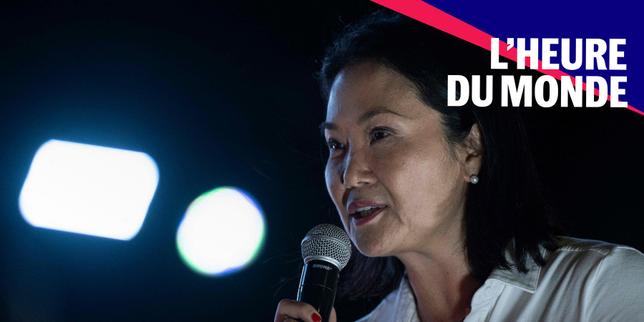
The engine of Peru’s democratic backsliding is an alliance known locally as the fujicerronismo. This marriage of convenience brings together Fuerza Popular, the right-wing party led by Keiko Fujimori, and Perú Libre, the nominally Marxist-Leninist party that brought Castillo to power. Despite their bitter ideological rhetoric during election cycles, these factions share an identical pragmatic goal. They want survival, impunity from criminal investigations, and control over the state apparatus.
This legislative bloc has systematically targeted every independent watchdog in the country.
The first major domino to fall was the Tribunal Constitucional, the Constitutional Court. By packing the court with sympathetic magistrates, Congress secured a legal rubber stamp for its legislative overreach. Next came the systematic dismantling of the National Board of Justice, the body responsible for appointing and removing judges and prosecutors. By paralyzing or capturing this institution, lawmakers effectively insulated themselves from ongoing anti-corruption investigations, including the massive bribery scandals that have dogged Peru’s political elite for a generation.
This is a structural capture of the state. When Congress can fire prosecutors who investigate lawmakers, the rule of law ceases to exist.
Regulating the Regulators
The assault did not stop with the judiciary. The legislative cartel turned its attention to the electoral system itself. Ongoing efforts to overhaul the leadership of the National Jury of Elections and the National Office of Electoral Processes are designed to ensure that the 2026 elections are overseen by compliant figures.
For an industry analyst looking at the economic fallout, the implications are severe. Peru's long-standing economic model—characterized by fiscal discipline, an independent central bank, and open markets—is being hollowed out from within. While the macro-economic indicators look stable on paper, the underlying legal security that attracts long-term foreign investment in mining and infrastructure is rotting away. Investors are realizing that in a country without an independent judiciary, contracts are only as secure as your relationship with the dominant congressional faction.
The Illusion of Executive Power
Dina Boluarte occupies the presidency, but she does not rule. Her tenure is a masterclass in political survival through total submission. Lacking a party of her own and facing potential criminal prosecution for the deaths of over sixty protesters during the late 2022 and early 2023 unrest, Boluarte has signed away executive autonomy to the congressional majority in exchange for immunity.
Every major policy directive, cabinet appointment, and legislative veto now passes through the filter of congressional approval. This inversion of power has turned the traditional presidential system of Peru on its head.
Consider the recent legislative maneuvers that rolled back critical political reforms. Congress voted to restore a bicameral legislature, a move that voters overwhelmingly rejected in a 2018 referendum. More importantly, they sneaked in a provision allowing for the immediate re-election of lawmakers. In a country where politicians are despised across the board, the legislature simply chose to ignore the public will and rewrite the rules to guarantee their own employment.
Institutional Erosion Timeline
┌──────────────────────────────────────┐
│ Capture of the Constitutional Court  │
└──────────────────┬───────────────────┘
                   ▼
┌──────────────────────────────────────┐
│ Defanging the National Board of      │
│ Justice                              │
└──────────────────┬───────────────────┘
                   ▼
┌──────────────────────────────────────┐
│ Neutralization of the Presidency     │
└──────────────────┬───────────────────┘
                   ▼
┌──────────────────────────────────────┐
│ Systematic Overhaul of Electoral     │
│ Watchdogs                            │
└──────────────────────────────────────┘
This structural shift explains why the administration remains indifferent to massive public disapproval. The government is no longer accountable to the electorate; it is accountable to the parliamentary factions that hold the power of impeachment like a loaded gun against the president's head.
Illicit Economies and the New Political Class
The ideological labels of "right" and "left" fail to capture the true driver of modern Peruvian politics. The real divide is between formal institutionalism and informal, often criminal, economic interests.
A significant portion of the current congressional majority represents or defends illegal mining, wildcat logging, unregulated transportation cartels, and predatory private universities that were shut down for failing basic quality standards. These are not ideological crusaders. They are operators of lucrative, cash-driven networks that view state regulations as an existential threat to their profit margins.
- Illegal Gold Mining: Laws have been systematically weakened to extend deadlines for formalization, effectively allowing illegal operations in the Amazon to continue unchecked.
- Predatory Education: Congress gutted Sunedu, the independent university supervisory body, restoring power to the owners of low-quality, for-profit universities who happen to sit in Congress or fund major political parties.
- Environmental Deregulation: Forestry laws were amended to ease deforestation restrictions, a move that directly benefits illegal loggers and large-scale agribusiness operating outside legal frameworks.
By defanging regulatory agencies, the legislative majority has converted the Peruvian state into a protective shield for illegal capital. This is the real reason the right-wing authoritarian block is so entrenched. It is highly profitable.
The Complicity of the Submissive Private Sector
For decades, Peru's corporate elite operated under a comfortable delusion. They believed that as long as the macroeconomy remained insulated from political chaos, the identity of the person wearing the presidential sash did not matter. The central bank, led by Julio Velarde, acted as an economic firewall.
That delusion has shattered. The business community now finds itself in a trap of its own making. Fearing the rise of a radical left-wing populist like Castillo, the traditional private sector threw its unconditional support behind the conservative congressional majority. In doing so, they ignored the systematic destruction of the rule of law.
The mistake was believing that authoritarianism would only target the left or the poor. Once the judiciary is compromised, no contract, property right, or investment is safe from extortion.
Now, major industry groups look on silently as Congress passes populistic economic bills that erode fiscal discipline, tap into pension funds, and create long-term sovereign debt risks. The business elite remains too terrified of political instability to speak out, rendering them complicit in the steady transformation of Peru into a hybrid regime where law is arbitrary.
The Path to 2026
The international community remains largely blind to the nuances of this crisis. Washington and Brussels look at Peru and see a country that still holds elections, maintains a functioning central bank, and does not have tanks in the streets. They mistake the absence of a dramatic collapse for stability.
The strategy for the conservative authoritarian coalition is clear. They will maintain the shell of democracy while ensuring that any viable reformist or opposition candidate is legally disqualified before the 2026 ballot. Through targeted prosecutions, electoral bans, and the manipulation of party registration rules, the system is being rigged to offer voters a choice between various shades of the same ruling elite.
Peru's democratic decay offers a grim lesson for the region. It proves that you do not need a charismatic strongman or a military junta to kill a democracy. A organized group of unprincipled legislators, driven by a mix of criminal interests and survival instincts, can achieve the exact same result using nothing but parliamentary procedures and a redrafted constitution. The institutions did not hold; they were bought.