At 5:40 in the morning on the outskirts of Jamnagar, the air smells of salt, warm bitumen, and trace sulfur carried inland from the Gulf of Kutch. A diesel tanker rolls past a concrete wall where a painted slogan still clings to the lime wash, faded by monsoon rains and sun. Inside the cab, Rajesh, a hypothetical freight driver introduced here to give a human face to long-haul logistics, taps his thumb against the steering wheel while waiting for the gate barrier to lift.
Diesel.
To Rajesh, diesel is not a geopolitical variable or a line item in a sanctions dossier. It is the difference between making his delivery window in Ahmedabad before midday traffic locks the highway and sitting idle beside a weighbridge while interest accrues on a loan he took to buy his rig. Multiply Rajesh by millions of drivers, shopkeepers, rice millers, and factory workers across a nation of more than one point four billion people, and you begin to see why energy policy rarely stays confined to conference rooms in Washington or New Delhi.
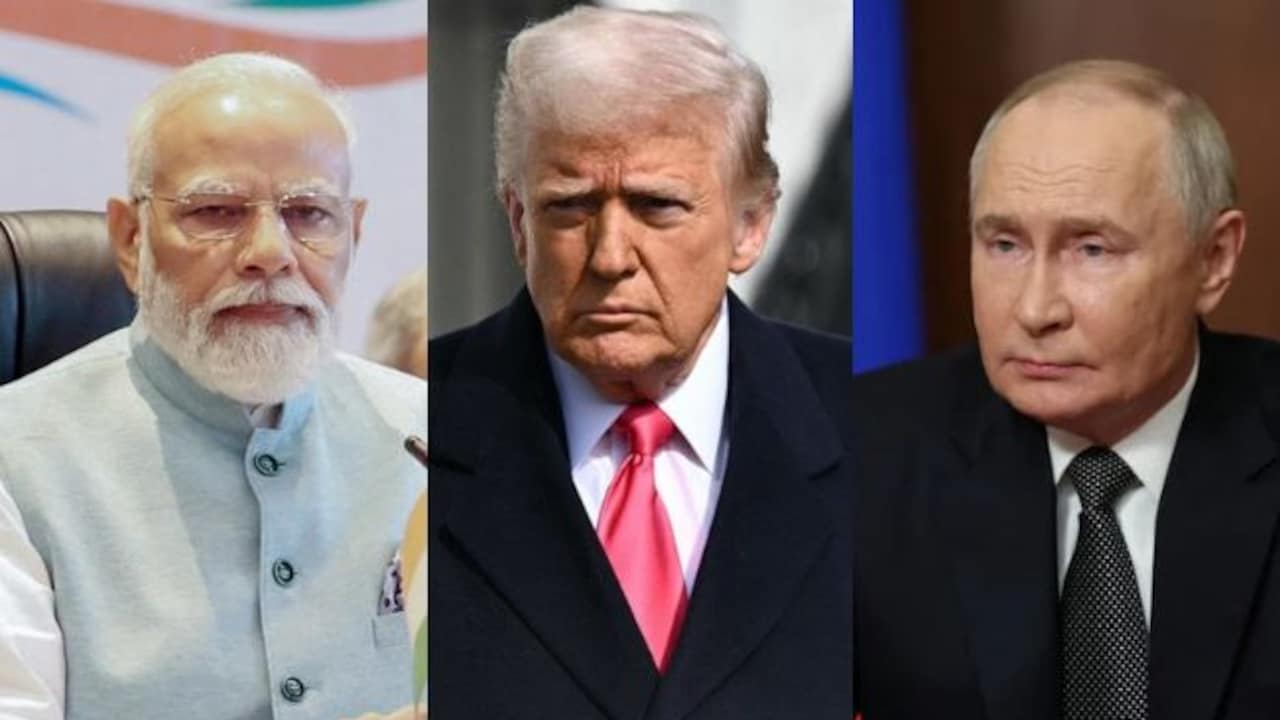
When officials around Donald Trump acknowledge that it is hard for India to move away from Russian energy—and weigh the practical reality of waivers—they are staring at a knot that cannot be cut with a single stroke of a pen. On paper, shifting suppliers looks like a spreadsheet adjustment. Buy less crude from one coast. Buy more from another. Sign a fresh term contract. In reality, moving a giant energy economy requires rerouting ships, recalibrating refineries, guarding against price spikes, and protecting household budgets that sit dangerously close to the edge.
I have spent years reporting on trade corridors and watching how distant diplomatic disputes show up in ordinary places: a sudden jump in cooking gas refills in a provincial town, a delayed shipment of industrial chemicals, a quiet conversation between a plant manager and a bank officer over working capital. At times, the sheer scale of global energy flows feels dizzying, even to people who track them for a living. If you find yourself wondering how a single sovereign waiver can ripple all the way down to a family budget or a factory floor, that confusion is earned. The plumbing of global oil and gas is deliberately opaque until something pinches it.
To understand why walking away from Russian energy is so hard for India, start with a simple truth about import dependence. India produces only a fraction of the crude oil it consumes—roughly fifteen to twenty percent in recent years, leaving the vast majority to come from abroad. When a country imports more than four-fifths of its crude, every barrel is a lifeline for transport, farming pumps, power generation, and manufacturing. A sudden squeeze on supply does not merely raise numbers on a commodity screen; it acts like a tax on movement itself.
Think of a household budget as a leaky bucket carried up a steep hill. You can patch small holes with cleverness, yet if someone pours a heavier load into the top without warning, your grip slips. That is a metaphor for how energy inflation behaves in a developing economy. When crude prices climb or supply tightens abruptly, freight rates rise first. Higher freight rates push up the cost of vegetables, cement, steel, and textiles. Central banks then face an agonizing choice between fighting inflation with higher interest rates and keeping credit cheap enough for small businesses to breathe.
For several years after Russia’s full-scale invasion of Ukraine reshaped global trade in 2022, discounted Russian crude became a magnet for Indian refiners. Western sanctions and price caps pushed Russian sellers to offer steep discounts to buyers willing to navigate insurance, shipping, and payment hurdles. Indian refineries—both state-owned giants and private complexes built to process a wide slate of crudes—stepped in. At its peak in mid-2023, Russian oil accounted for roughly forty percent or more of India’s seaborne crude imports, up from minuscule levels before the war.
Consider what happens next when Washington signals both pressure on Moscow’s energy revenues and a pragmatic recognition that squeezing too hard can backfire.
Team Trump’s posture on waivers captures a classic tension in statecraft: the clash between maximum economic pressure on an adversary and price stability at home and among partners. If global markets believe millions of barrels per day could suddenly vanish from legal trade channels, oil prices can spike overnight. Higher global oil prices hurt American consumers at the pump, complicate inflation targets, and strain economies across Asia and Europe. A waiver—or a calibrated grace period—is not necessarily a blank check. Often, it is a pressure-release valve designed to keep crude flowing while alternative barrels are lined up or while compliance rules are enforced without blowing up the market.
Yet calling a waiver a simple escape hatch misses why New Delhi treats energy security as a core survival question rather than a favor requested from abroad.
Suppose, in a purely hypothetical scenario designed to test the math of substitution, India decided overnight to cut Russian crude imports to zero. Where would tens of millions of barrels a month come from on short notice? Traditional suppliers in the Middle East—such as Saudi Arabia and Iraq—already anchor long-term contracts and manage output through OPEC+ quotas. Buying more spot cargoes from West Africa, Latin America, or the United States is possible, but those grades often carry different sulfur and density profiles, travel longer maritime distances, and frequently cost more once freight and insurance are tallied.
Refineries are not kettles you can simply fill with whatever liquid is closest. A refinery is a precision chemical labyrinth of distillation towers, hydrotreaters, and crackers tuned to specific crude assays. Blending heavier or sourer crudes with lighter or sweeter ones changes yield ratios—how much petrol, diesel, jet fuel, or naphtha comes out of a barrel. Switching feedstocks too abruptly can reduce throughput or force costly operational compromises.
There is also the quiet arithmetic of refining margins. When Russian barrels traded at a discount to Brent crude, Indian refiners could absorb logistics complexity and still turn a healthy margin—or cushion domestic fuel prices during election seasons and volatile quarters. Lose that discount while paying higher freight rates on longer voyages, and someone has to eat the difference: the refiner’s balance sheet, the government’s tax and subsidy accounts, or the consumer at the pump.
History offers a sobering mirror here. Across decades, from the oil shocks of the 1970s to later sanctions regimes on Iran and Venezuela, countries that rely heavily on imported energy have consistently prioritized diversification, price predictability, and strategic autonomy. Whenever geopolitical alignment collides with domestic affordability, policymakers in capitals from New Delhi to Tokyo and Berlin tend to move cautiously rather than leap blindly into a supply hole.
Still, it would be a mistake to paint India’s energy picture as frozen in amber. Even while Russian crude remains hard to replace quickly, India’s broader energy map is shifting in several directions at once. Procurement teams actively mix Middle Eastern grades, U.S. crude, and Atlantic Basin barrels depending on price spreads and shipping rates. Natural gas infrastructure—liquefied natural gas terminals and pipelines—is expanding to serve industry and urban households. Solar and wind capacity are climbing at record pace, and domestic refining capacity continues to grow.
None of those shifts erases crude oil’s near-term grip on trucks, ships, and factories. Transitioning a massive economy away from a major supplier takes years of contracting, ship scheduling, financial clearing, and risk management, not a single press conference.
Back on the highway outside Jamnagar, daylight has fully broken over the coastal scrub. The barrier rises. Rajesh shifts into gear, watching the exhaust plume curl behind the cab as his truck merges toward the open road. Miles away, diplomats trade talking points about waivers, sanctions, and leverage, while traders watch tanker trackers on glowing monitors. For Rajesh, the verdict on whether those negotiations succeed will arrive quietly—in the price on a fuel pump receipt, the pace of freight along the highway, and whether the wheels keep turning without a hitch.