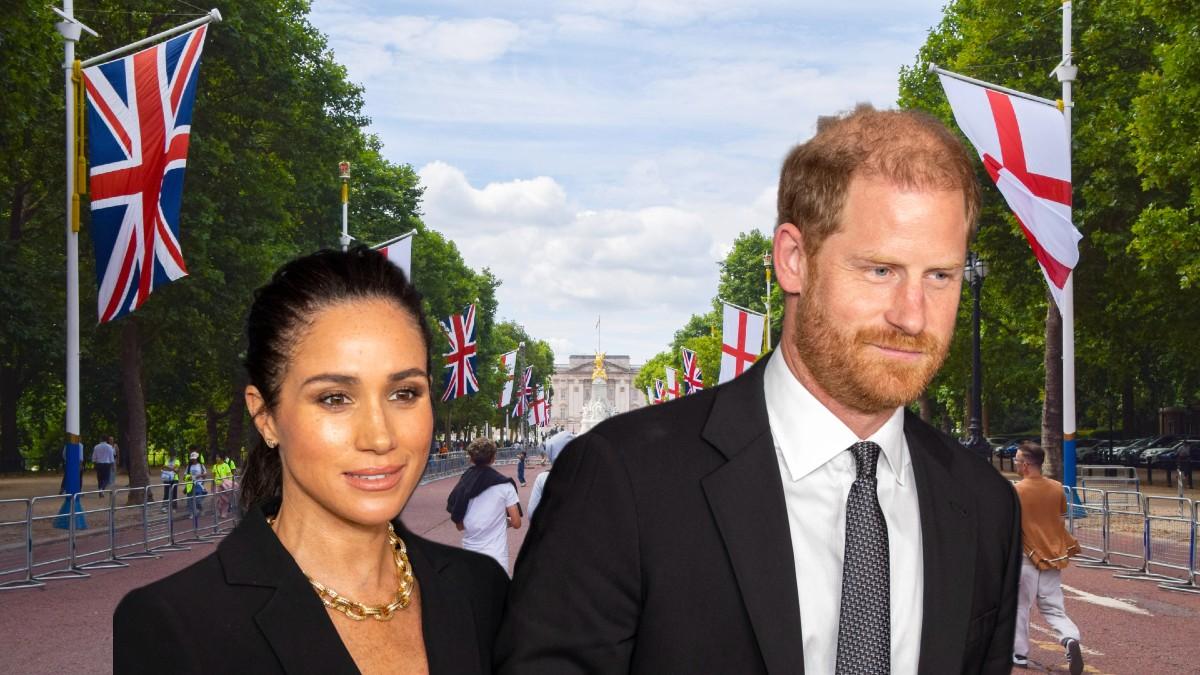
Every royal commentator and tabloid columnist currently working a beat on Fleet Street is pushing the exact same lazy narrative. They look at a quiet news cycle, pull a tired trope from the filing cabinet, and spin yarn about Prince Harry packing his bags for a rainy return to Windsor. The consensus is smooth, predictable, and entirely disconnected from reality.
The lazy consensus says wounded pride, homesickness, and a dwindling Hollywood cachet will drive the Duke of Sussex back across the Atlantic, cap in hand, begging for a cottage on the Frogmore estate.
It is a comforting fantasy for monarchists and a cheap clickbait engine for digital editors. It is also dead wrong.
The Economics of Exile
Look at the ledger. Moving back to the United Kingdom is not a romantic homecoming; it is a catastrophic tax event wrapped in a security nightmare.
When people talk about royal relocations, they forget the brutal mechanics of global wealth management. Harry and Meghan built an independent commercial apparatus in California precisely to escape the financial fishbowl of the Sovereign Grant and the rigid constraints of the British tax code. California state taxes are punishing, yes, but they pale in comparison to the exposure of bringing a multi-million-dollar production empire back under the jurisdiction of Her Majesty’s Revenue and Customs, especially when residency status remains a legal minefield.
More importantly, let us talk about the security bill. The British Home Office made their position crystal clear years ago. State-funded Metropolitan Police protection does not follow high-profile dropouts who step down as working royals. If Harry returns to live in Britain permanently, he faces a revolving door of court battles over taxpayer-funded bodyguards. He would be trading the sprawling, walled privacy of Montecito for a goldfish bowl where every local coffee run requires a tactical security detail that he would likely have to fund out of pocket, while simultaneously dealing with hostile British tabloids camped at the end of his driveway.
Nobody voluntarily walks back into a wood chipper.
The Myth of the Penitent Prince
The narrative of the prodigal son returning home relies on a fundamental misunderstanding of human psychology under public scrutiny. The media wants a redemption arc because redemption arcs sell advertising space. They want Harry to look at his current life, feel the sting of isolation, and decide that a damp afternoon in Gloucestershire beats the sunshine of the Pacific Coast.
I have spent years watching high-net-worth individuals burn their bridges and try to walk backward through the smoke. It rarely works out the way the PR agents script it.
When you make a permanent break from an institution as calcified as the British monarchy, the bridge does not just burn; it turns to ash and floats out to sea. The friction between Harry and the rest of the Windsor family is not a misunderstanding that can be cleared up over a weekend cuppa at Clarence House. It is a structural divergence. Harry's entire commercial viability depends on his outsider status. The moment he moves back to London, he ceases to be the global rebel making a statement on media independence. He becomes a second-tier royal utility player, trapped in a gray zone of half-in, half-out status that everybody already agreed was unworkable.
The smart money stays put.
What the Pundits Miss About Brand Sussex
Let us address the common refrain: "Their production deals are drying up, so they have to go back."
This is where the mainstream media displays a profound ignorance of modern media economics. Traditional television development cycles move at a glacial pace. A high-profile multi-year partnership with a streaming giant does not produce a continuous stream of daily hits; it results in cyclical drops, strategic pivots, and long-tail asset generation.
Moving back to the UK would instantly neuter their commercial appeal. Their entire market value rests on being a global brand operating outside the British tabloid ecosystem. Planting roots back in British soil turns them into local news fodder again. It forces them back into the daily grind of doorstep scogs, long lens photography, and editorial hostility that defined their final years as working royals.
No one trades global independence for local harassment just because a couple of columnists in London ran out of things to say about property prices.
The next time you read a breathless exclusive about an imminent royal return, check the byline, look at the lack of primary sources, and remember one simple rule. People who successfully escape an institution do not buy a ticket back to the lobby.