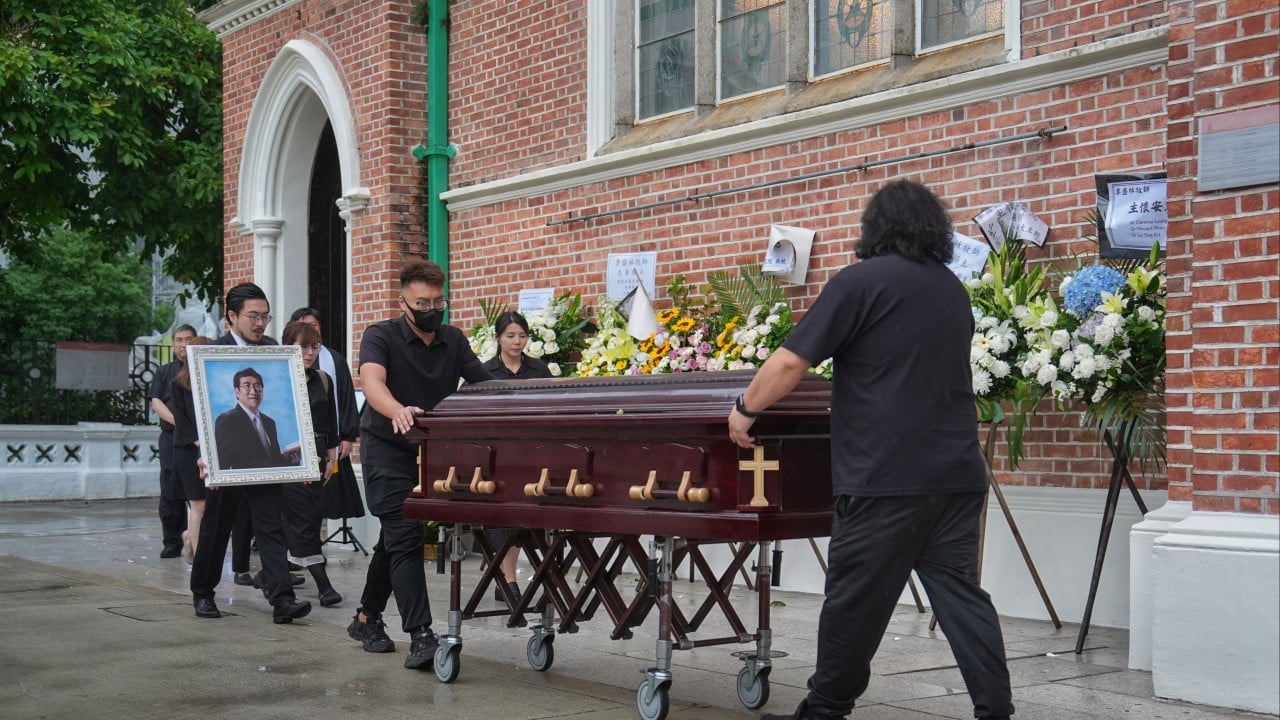
The devastating accident during the 2022 Mirror concert in Hong Kong left dancer Mo Li Kai-yin with catastrophic injuries, altering the trajectory of his life and sparking a prolonged legal and systemic examination of entertainment industry safety. Following the recent passing of his father, the Reverend Derek Li Shing-lam, the focus has once again intensified on the enduring consequences of that night. This transition marks a profound shift for the family, who spent years publicly navigating the grueling recovery process while demanding stricter regulatory oversight. The tragedy exposed critical vulnerabilities in production management, contractor vetting, and performer protections that continue to challenge the live entertainment sector.
A Family Bound by Tragedy and Advocacy
For years, the updates issued by Reverend Derek Li served as the primary window into Mo Li’s grueling rehabilitation. These weekly prayer letters did more than chronicle medical milestones. They became a record of a family’s resilience and a persistent call for accountability from the organizers, contractors, and regulatory bodies involved in the concert production.
The relationship between the father and son was reshaped by the events at the Hong Kong Coliseum, where a massive LED screen detached from the ceiling, striking Mo Li and causing severe spinal cord injuries. Reverend Li stepped away from his traditional pastoral duties to become a full-time advocate, interpreter of medical jargon, and emotional anchor for his son. His recent passing leaves a void in the public advocacy campaign, shifting the responsibility of carrying forward the family's message during a period of prolonged legal proceedings.
The loss emphasizes the long-term human cost of industrial negligence. While corporate entities face fines and legal scrutiny in structured courtrooms, the victims and their families operate on a timeline measured in years of physical therapy and emotional strain. The transition of leadership within the family's public sphere comes at a time when the legal accountability for the accident remains a subject of intense judicial examination.
The Breakdown of Production Oversight
To understand why the accident occurred, one must look at the fractured nature of large-scale event production. The investigation by Hong Kong authorities revealed a chain of systemic failures, ranging from underreported equipment weights to inadequate structural inspections.
In high-profile pop concerts, the rush to assemble complex stages within tight windows often compromises safety protocols. Subcontracting practices frequently obscure who bears ultimate responsibility for the integrity of the rigging. In the case of the Mirror concert, documents submitted to government departments vastly understated the actual weight of the LED screens, meaning the supporting cables were under constant, dangerous stress.
- Weight Discrepancies: The physical equipment hanging above the performers weighed over double the amount declared in official safety declarations.
- Material Flaws: Subsequent forensic analysis revealed that the cables used to suspend the screens suffered from metal fatigue and were of substandard quality.
- Inspection Failures: Qualified engineers failed to properly verify the safety of the installations on-site before the performance series commenced.
These factors demonstrate that the incident was not an unpredictable fluke. It was the predictable outcome of a system prioritizing speed and visual spectacle over the safety of the individuals on stage. The reliance on multiple tiers of subcontractors meant that vital safety communication was lost in translation between project managers, engineers, and rigging technicians.
Legal Repercussions and Industry Reform
The legal aftermath of the incident has wound its way through the Hong Kong court system, targeting executives and engineering firms involved in the production. Charges relating to conspiracy to defraud and violations of the Factories and Industrial Undertakings Ordinance highlighted the extent to which regulatory compliance was bypassed.
However, the fines and legal penalties imposed on corporate entities often fail to match the severity of the human outcome. For the dance community and live performers, the case exposed a precarious employment landscape. Many dancers operate as independent contractors, a status that frequently deprives them of the robust workplace protections, comprehensive insurance, and collective bargaining power enjoyed by staff employees.
The government response included the implementation of stricter guidelines for stage design and mechanical installations at public venues. These measures demand independent third-party certification for all overhead structures and mechanical movements during performances. While these rules increased the bureaucratic burden on production companies, they established a necessary baseline of scrutiny that did not exist prior to July 2022.
The Loneliness of Long-Term Recovery
Behind the legal battles and industry structural shifts lies the stark reality of Mo Li’s daily existence. Spinal cord injuries of this magnitude require round-the-clock medical intervention, specialized neurological treatments, and cutting-edge exoskeleton therapies to maintain muscle tone and stimulate nerve pathways.
The medical journey is exceptionally slow. Progress is measured not in steps, but in the slight movement of a finger or the ability to breathe unassisted for extended periods. The financial burden of this level of care is monumental, requiring sustained support from the production's parent companies, MakerVille and Music Nation, which pledged to cover medical expenses.
Yet, financial compensation cannot restore what was lost. The dance industry in Hong Kong lost one of its most promising talents, and the creative community continues to feel the chilling effect of the tragedy. The psychological toll on the other dancers who were on stage that night remains an underreported aspect of the crisis, with many experiencing severe trauma and career disruption.
The Future of Accountability in Live Entertainment
The passing of Reverend Derek Li marks the end of a specific chapter of public dignity and faithful updates, but the demand for systemic change remains unfinished. The live entertainment industry worldwide frequently pushes boundaries to deliver immersive technological experiences, yet the safety infrastructure must evolve at the exact same pace as the visual technology.
Regulatory bodies must enforce strict enforcement mechanisms that hold top-tier executives personally liable for safety failures, removing the shield currently provided by complex subcontracting networks. Relying on self-regulation within the entertainment sector has proven insufficient. Only when the financial and legal risks of cutting corners outweigh the rewards of rapid production turnarounds will the backstage environment become genuinely safe.
The ongoing legal trials will eventually conclude, and public attention will inevitably drift to new headlines. The true measure of justice for Mo Li and his family will not be found in a courtroom verdict or a corporate press release, but in the permanent eradication of the negligent practices that turned a celebration of music into a site of preventable tragedy.