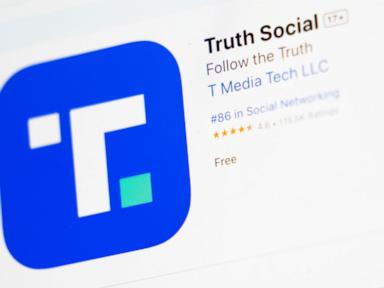
The notification light blinks in the dark. It is 3:14 AM. For millions of people, that tiny glowing square is the first thing they see before their feet even touch the floor. We feed these platforms our time, our anger, and our attention. In return, they give us a megaphone. But a new shift is quietly altering the DNA of how we talk to each other online, and it starts with a simple question: How much would you pay to skip the line to a former—and potentially future—president?
Money has always bought access. It buys dinners, front-row seats, and private handshakes. Now, it is buying algorithm priority on Truth Social. Meanwhile, you can find similar stories here: Why Chinas New AI Alliance Matters to Your Business.
Donald Trump’s digital enclave is exploring a model that turns political access into a premium subscription. Pay the fee, and your voice climbs to the top of the digital pile. Your comments get seen first by the man himself and his inner circle. On the surface, it looks like just another tech company trying to keep the lights on. Underneath, it is a radical rewriting of the rules of political influence.
The Digital Velvet Rope
Consider a hypothetical user named Arthur. He is a retired small business owner from Ohio. He logs onto Truth Social every day because it feels like a town square where his values are celebrated. He writes long, passionate comments on posts, hoping to spark a conversation. In the old internet, Arthur’s words lived or died by how much other people resonated with them. To see the bigger picture, check out the recent article by Gizmodo.
Now, look at the screen through Arthur’s eyes. A new button appears. It promises elite status. It hints that for a monthly fee, his profile will be boosted, pushed directly into the line of sight of powerful political figures.
Arthur hesitates. He relies on his fixed income. But the temptation is visceral. The platform isn't just selling data storage or ad-free browsing; it is selling the proximity of power.
This is where the standard business model of Silicon Valley collides heavily with the delicate machinery of American democracy. When a normal social media app charges for a blue checkmark, it is selling vanity. When a platform owned by a major political candidate charges for visibility, it is selling a digital lobbyist pass to the everyday citizen.
The numbers behind these platforms are notoriously volatile. Advertising revenue is fickle, especially for a site that deliberately courts controversy. Subscription models are the holy grail for tech executives because they offer predictable, recurring revenue. If thousands of dedicated supporters chip in twenty dollars a month, the financial windfall is staggering. It could transform a struggling app into a financial powerhouse.
But at what cost to the user?
The Ethics of the Megaphone
The real issue is not the transaction itself, but the nature of what is being bought.
In a traditional town square, the person with the loudest voice is the one who can shout the highest or rally the biggest crowd. It is messy. It is loud. But it is fundamentally human. When you introduce a pay-to-play algorithmic booster, you change the physics of the room. The wealthiest voices become the only voices that echo.
Imagine a critical policy debate unfolding in real-time. A political leader posts an update about tax reform or foreign policy. The users who can afford the premium tier instantly flood the top of the comment section with their perspectives, shaping the narrative. The users who cannot afford the fee—the ones living paycheck to paycheck, whose lives are often most impacted by these very policies—are buried at the bottom, invisible, shouting into an empty void.
This creates a dangerous feedback loop. A political figure looks at their own platform and sees a sea of agreement and high-fives, completely unaware that the consensus was manufactured by a payment gateway. It creates a digital echo chamber where the entry fee determines the reality of the leader.
The confusion here is deep and widespread. Many argue that private companies have every right to charge for their services. This is true for streaming movies or ordering groceries. But Truth Social occupies a bizarre, unprecedented space. It is a publicly traded corporation, a media ecosystem, and a political campaign headquarters all melted into one entity. The boundaries are gone.
The Hidden Transaction
We have watched the evolution of media for decades, moving from public broadcasts to cable subscriptions, and finally to the fragmented world of algorithmic feeds. Every step of the way, the audience lost a little more control.
The anxiety surrounding this new monetization strategy stems from a gut-level understanding that something fundamental is shifting. It turns political expression into a commodity. If you want to be heard by the movement, you have to pay the movement's leader.
This goes far beyond standard campaign donations. A campaign donation is transparent, regulated, and capped by federal law. A digital subscription to an app owned by a candidate exists in a legal gray zone. It is a commercial transaction that yields immense political leverage. It allows deep-pocketed special interest groups or wealthy individuals to buy continuous, high-visibility real estate directly under the candidate's nose, disguised as ordinary user engagement.
The system relies on our collective desire to matter. We want to be seen. We want our struggles acknowledged by the people who hold the levers of power. By monetizing that specific human craving, the platform risks turning political engagement into an exclusive club where the membership dues are always rising.
Arthur sits in his living room, the blue light of his phone illuminating his face. He looks at the subscription screen, then at his monthly budget spreadsheet. The digital world promises connection, but it increasingly demands a toll. He closes the app. The silence in the room is heavy, a stark contrast to the noisy, crowded, expensive digital world waiting just behind the glass.