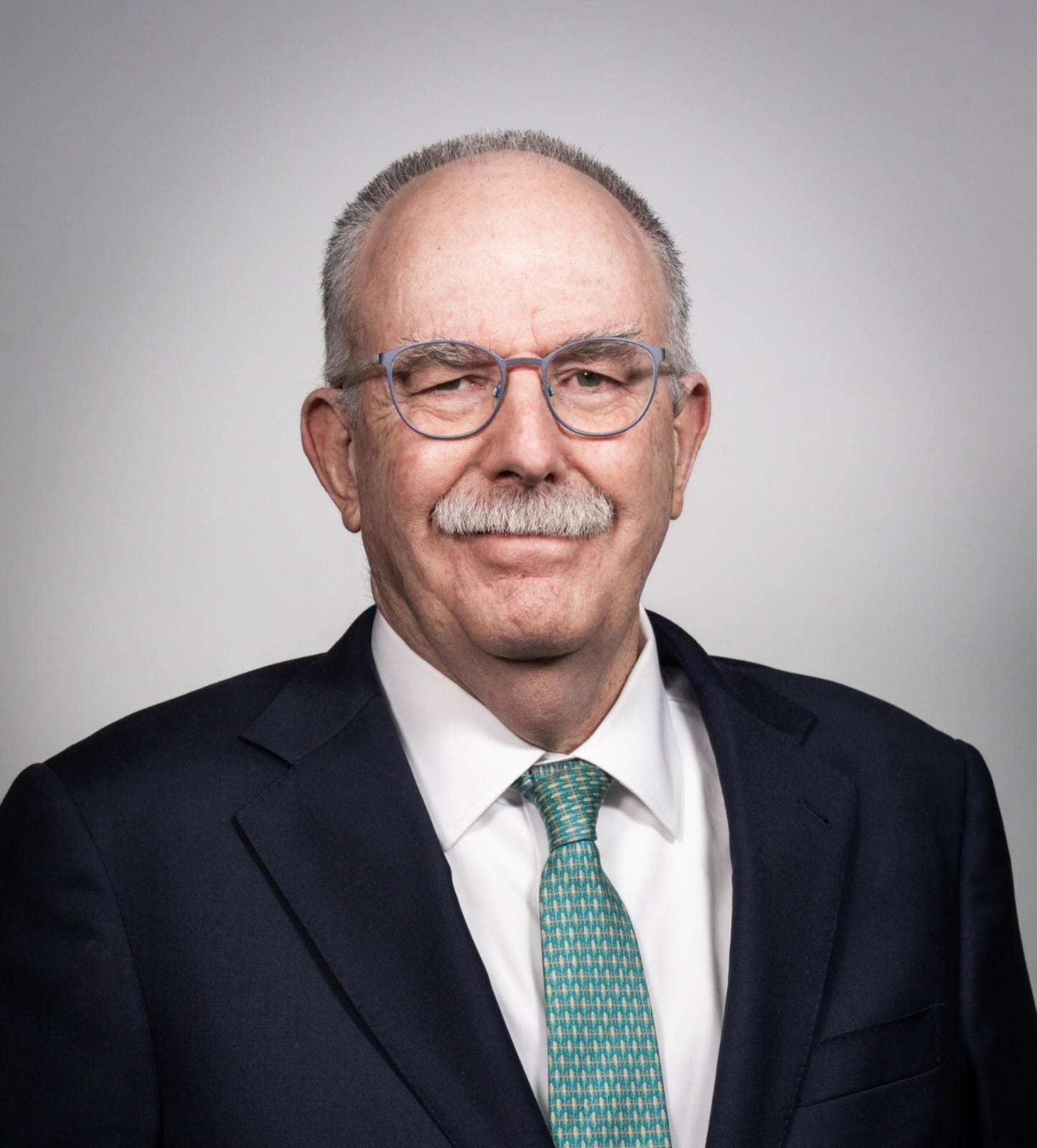
The sight of a head of state performing "star jumps" to prove he isn't dying is not a sign of strength. It is a profound confession of political fragility. When Ferdinand "Bongbong" Marcos Jr. took to the stage to perform jumping jacks, the media sycophants called it a "show of vigor." In reality, it was a desperate act of bio-political theater designed to mask a structural vacuum in Philippine governance.
We have entered an era where we mistake cardiovascular output for executive competence. This obsession with "vitality" is a distraction from the only metric that actually matters: institutional stability. If a nation’s stability hinges on whether a 66-year-old man can jump in place without his knees buckling, that nation is built on sand.
The Performance of Health is Not Health
The "lazy consensus" among political commentators is that a leader’s health is a binary state: you are either fit to lead or you are incapacitated. This is a fairy tale. Real power doesn't require a resting heart rate of 60. Some of the most transformative leaders in history were physically wrecked. Franklin D. Roosevelt governed from a wheelchair while managing a global war and a domestic depression. Winston Churchill was a walking pharmacy of stimulants and sedatives.
The obsession with Marcos’s "star jumps" ignores the medical reality that a burst of high-intensity movement proves nothing about chronic condition management or cognitive longevity. It is a parlor trick. It’s the political equivalent of a "dead cat bounce" in the stock market—a temporary, artificial spike meant to lure in the gullible.
Why the Rumor Mill Wins Even When the President Jumps
The "ill-health" rumors plaguing the Malacañang Palace are not medical queries; they are proxies for a deeper anxiety about succession. In a system where the Vice President, Sara Duterte, represents a rival political dynasty with a vastly different geopolitical alignment, every cough from the President is interpreted as a tectonic shift in power.
When a leader feels the need to physically perform "health," they have already lost the narrative. By reacting to the rumors, Marcos Jr. validated them. He signaled that the whispers are loud enough to dictate his physical behavior.
- The Streisand Effect of Bio-Politics: By trying to suppress the "sick" narrative through public exercise, you draw more attention to the very thing you want people to forget.
- The Fragility of the Visual: A video of a jump lasts ten seconds. The memory of a "disappearance" from the public eye lasts weeks.
- The Succession Shadow: People aren't worried about Marcos’s cholesterol; they are worried about what happens to the US-Philippine defense treaties if the presidency changes hands tomorrow.
The Cult of the Strongman’s Body
This isn't just about the Philippines. It’s a symptom of a global regression toward the "Strongman" archetype. We see it in Putin’s shirtless horse riding and the endless analysis of Joe Biden’s gait. It is a primitive instinct that equates physical agility with the ability to navigate complex legislative and diplomatic waters.
I have watched political consultants burn through millions of dollars trying to "youth-ify" aging candidates. They buy them slimmer suits, put them on treadmills for photo ops, and dye their hair. It is a waste of capital. A leader’s body is a vessel for policy, not a gym membership advertisement. If you are selling the jump, it’s because you have nothing to sell in the ledger.
The Nuance of Presidential Privacy
The counter-intuitive truth is that a truly secure leader doesn't explain their health. They exist above the fray. The moment you step into the arena to prove you aren't sick, you have demoted yourself from "Head of State" to "Defendant."
There is a legitimate argument for transparency regarding a leader's medical records. But transparency is not the same as performance. One is data; the other is a circus. We should be asking for blood panels and neurological assessments, not star jumps. The fact that the public settles for the latter shows a terrifying decline in our expectations of accountability.
The Real Risk Factors Nobody Mentions
While the media debates whether Marcos Jr. looked "winded" after his exercise, they ignore the stressors that actually degrade executive function:
- The Sleep Deficit: The grueling schedule of international summits and domestic crises.
- Cognitive Load: The sheer volume of decision-making required in a volatile economic environment.
- Institutional Isolation: The "palace bubble" that prevents a leader from receiving honest feedback.
These are the things that kill a presidency, not a flu or a rumor. Yet, we focus on the jumping jacks because they are easy to film. They fit into a TikTok algorithm. We are treating the presidency like a reality TV competition where "survival" is the goal, rather than "governance."
Stop Asking if He’s Healthy
The question "Is the President healthy?" is the wrong question. The right question is: "Is the administration robust enough to survive a health crisis?"
If the answer is no—if the entire apparatus of the state collapses because one man needs a week of bed rest—then the problem isn't the President's health. The problem is the system. We should be terrified not of a leader’s mortality, but of a government's dependency on a single pulse.
Marcos Jr. can jump until he’s blue in the face. He can run marathons on the palace grounds. None of it changes the fact that he is using his body to hide the cracks in his coalition. True power doesn't need to sweat to prove it exists. It simply acts.
If you want to know the state of the nation, look at the budget, the inflation rate, and the naval tensions in the West Philippine Sea. Ignore the man doing calisthenics on the stage. That’s just a distraction for the cheap seats.
The star jump is the ultimate admission that the substance is missing.
Get off the treadmill and get back to the desk.