Intelligence alliances run on trust, not treaties. You can sign all the bilateral agreements you want, but if a foreign spy chief thinks their raw intercepts will end up leaked to the press or traded away in a diplomatic stunt, the tap shuts off immediately.
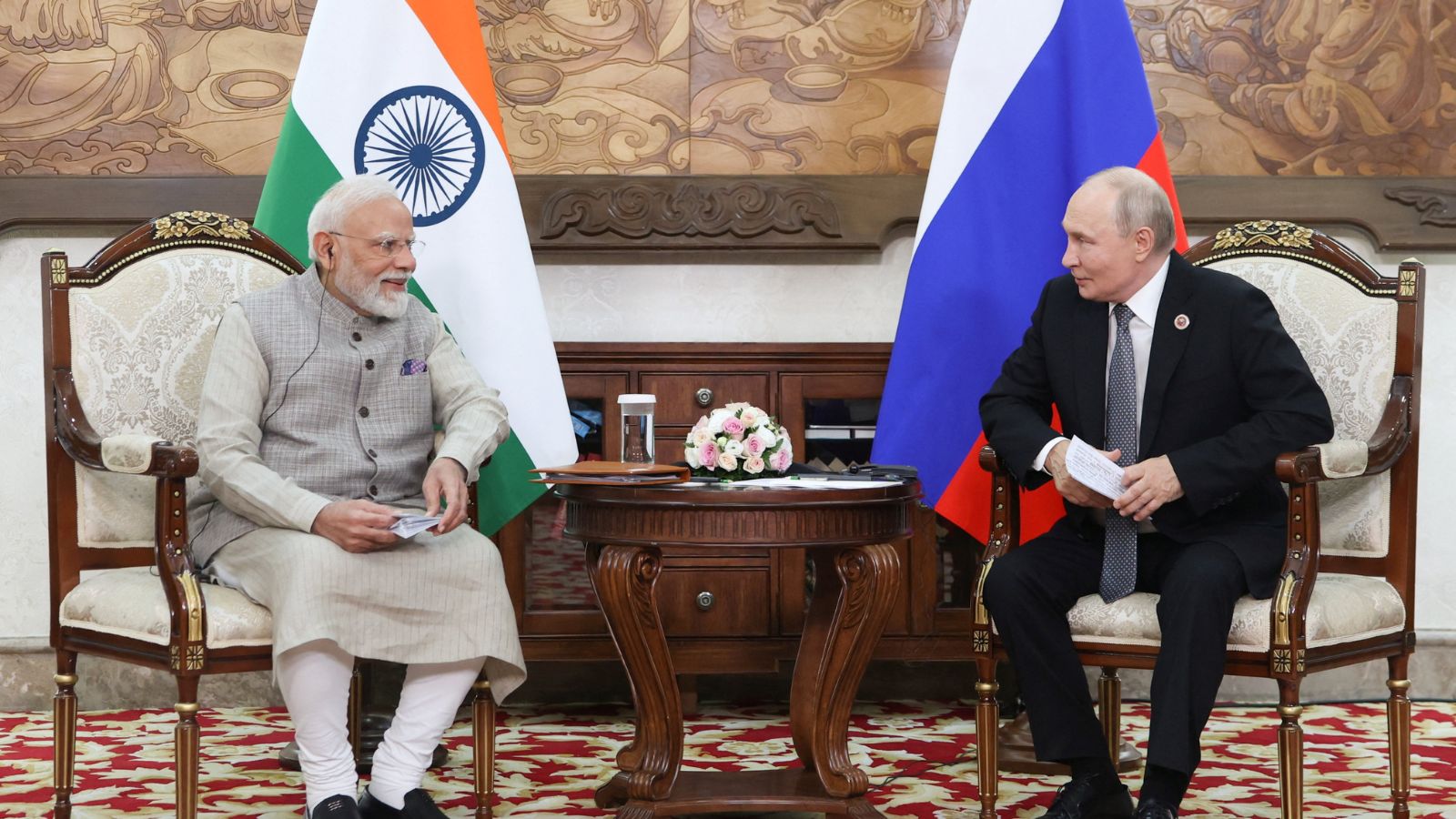
That's the core reality behind reports that US intelligence sharing has fractured during the Trump administration. When current and former officials talk about cracks in the system, they aren't talking about formal cancellations of the Five Eyes partnership or dramatic public walkouts. It's much quieter than that. Allies simply start holding back their best stuff, sanitizing reports before they cross the Atlantic, and keeping sensitive sources off the shared wire. Also making headlines lately: The Strategic Calculus of India's Ukraine-Russia Posture.
I've followed national security reporting for years, and the biggest mistake outsiders make is assuming intelligence sharing is an all-or-nothing switch. It isn't. It's a daily, granular negotiation between desk officers in Langley, London, Ottawa, and European capitals. Right now, that negotiation has turned deeply defensive.
How Trust Actually Breaks Down Between Spy Agencies
Foreign intelligence services don't care about partisan cable news debates in Washington. They care about source protection. If a European agency recruits a high-level asset inside a hostile ministry, that person's life depends on extreme compartmentation. Further insights on this are covered by Associated Press.
During Donald Trump's first term, a few specific incidents burned deep into the institutional memory of allied services. You probably remember the May 2017 Oval Office meeting where Trump shared classified intelligence about an ISIS laptop bomb plot with Russian Foreign Minister Sergey Lavrov and Ambassador Sergey Kislyak. That intelligence hadn't been collected by the CIA. It came from Israel, and Washington didn't ask permission before passing it to Moscow.
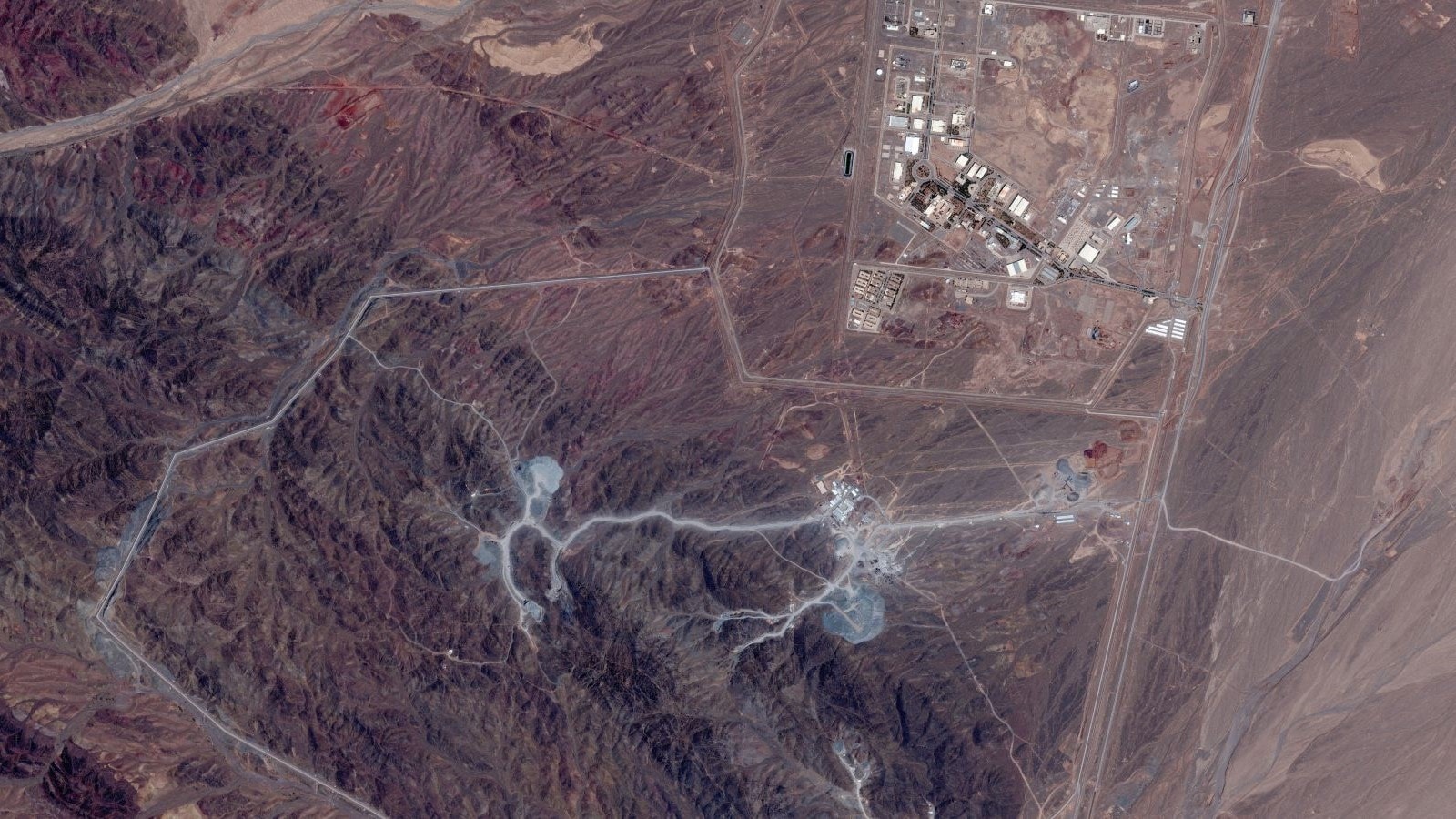
Then came the 2019 tweet showing a crisp, high-resolution satellite image of a damaged Iranian launch site. Open-source analysts immediately used the shadows and angle to reverse-engineer the exact capabilities and orbital path of a classified US spy satellite.
Officials didn't forget those moments. And as Trump returned to power and reshaped the upper tiers of the intelligence community—installing loyalists like Tulsi Gabbard as Director of National Intelligence and Kash Patel at the FBI—allied services began calculating their risk exposure all over again.
When foreign partners see political loyalty prioritized over traditional counterintelligence discipline, they don't file a formal complaint. They just quietly downgrade what they send to Washington. Instead of sharing raw, unredacted signals intelligence, they send finished analytical summaries with all the operational details stripped out. The US still gets the conclusion, sure, but it loses the ability to verify the underlying evidence or connect dots across other theaters.
The Five Eyes Alliance Isn't Dead, Just Guarded
You'll often hear pundits claim the Five Eyes alliance—the post-World War II intelligence-sharing network linking the US, the UK, Canada, Australia, and New Zealand—is on the verge of collapse. That's exaggerated. The technical infrastructure tying these five nations together is massive, deeply integrated, and practically impossible to untangle overnight.
Signals intelligence bases, undersea cable taps, and satellite downlinks are shared across all five countries. No single politician can unplug that machinery on a whim.
What has changed is the human layer sitting on top of those pipes.
- Sanitized reporting: Allied analysts are increasingly stripping out metadata that could reveal how a piece of intelligence was gathered.
- Bilateral workarounds: European partners have quietly expanded direct intelligence exchanges among themselves, bypassing Washington when dealing with sensitive Russian or Middle Eastern files.
- Delayed dissemination: Information that used to move in real time now sits in review queues while foreign legal and counterintelligence teams decide if it's safe to share with the US executive branch.
Consider how the dynamic shifts around Ukraine and Russian covert operations in Europe. European intelligence services have spent the last several years tracking Russian sabotage networks, arson plots, and disinformation campaigns across Germany, Poland, and the Baltic states. When Washington's political leadership signals skepticism toward NATO commitments or floats sudden shifts in Ukraine policy, European spy chiefs naturally hesitate to hand over their deepest penetrations of Russian intelligence. Why expose an active source if the recipient might use that information as a bargaining chip in a bilateral negotiation with Moscow?
Why Politicization Spooks Foreign Partners
Every administration brings its own policy priorities to the intelligence community. That's normal. Presidents ask different questions, and agencies adjust their collection priorities to answer them.
The friction starts when intelligence assessments are treated as political loyalty tests. Over the past decade, intelligence professionals have watched routine analytical disagreements turn into public accusations of "deep state" sabotage. When senior officials openly question the integrity of their own agencies, foreign counterparts take notice.
Think about it from the perspective of an intelligence director in Berlin or Tokyo. Your job is to give your prime minister an unvarnished assessment of global threats. You rely on the US intelligence community because its global reach is unmatched—nobody else has the NSA's signals collection budget or the CIA's global station footprint.
But if you suspect that US intelligence products are being filtered to please the White House, or that dissenting views are being suppressed before they reach the President's Daily Brief, the value of American intelligence drops. You start treating US assessments with the same skepticism you apply to any other foreign government's diplomatic talking points.
Honest intelligence work requires friction. Analysts are supposed to tell policymakers things they don't want to hear. When that internal friction disappears—or gets punished—allies stop trusting the output.
The Silent Cost of Lost Intelligence
Most people won't notice a fractured intelligence relationship on a Tuesday afternoon. Nothing explodes. No treaties get torn up on live television.
The damage shows up months or years later as blind spots.
Intelligence sharing works because no single country can watch everything at once. The US has unmatched space-based surveillance and cyber capabilities, while smaller allies often possess superior human intelligence networks in specific regions due to colonial history, language fluency, or geographic proximity.
Take counterterrorism in North Africa or the Sahel. French and British intelligence services have decades of granular human networks on the ground that Washington simply doesn't have. In the Indo-Pacific, Australian and Japanese agencies maintain intimate regional awareness across Southeast Asia and the South China Sea.
When those partners pull back, US analysts lose local context. You might still see troop movements on a satellite photo, or intercept an encrypted burst transmission, but you lose the human insight explaining why a local commander is moving troops or what a coded phrase actually means in local slang.
Worse, the loss goes both ways. When allies restrict what they share with Washington, US agencies naturally become more guarded in return. Intelligence sharing operates on strict reciprocity—quid pro quo at the highest level. If London holds back a sensitive file, Langley holds back something of equal value. Over time, both sides end up operating with narrower visibility in a world that is getting measurably more dangerous.
How the Intelligence Community Adapts Behind the Scenes
Career intelligence officers aren't helpless bystanders. Inside the US intelligence community, veteran officials understand how fragile allied trust has become, and many work overtime to insulate working-level relationships from political turbulence in Washington.
Working-level exchanges—analyst-to-analyst video calls, joint targeting cells, technical cyber-defense teams—often continue functioning smoothly even when leadership relations turn frosty. Cyber threat intelligence, in particular, remains deeply collaborative because ransomware gangs, state-backed hackers in China and Russia, and critical infrastructure threats don't stop at national borders.
Yet working-level goodwill only stretches so far. When a major geopolitical crisis hits, decisions move up the chain of command to political appointees. That's precisely where allied hesitation kicks in hardest.
If you want to track whether US intelligence sharing is genuinely recovering or continuing to erode, ignore the official press releases praising "ironclad partnerships." Watch for three concrete indicators instead:
- Public attribution of covert operations: When allies jointly expose foreign cyberattacks or sabotage plots with synchronized intelligence releases, it signals high-level trust in shared sources. When countries issue unilateral statements instead, compartmentation is happening.
- Leadership turnover in senior liaison posts: Pay attention to who gets appointed as CIA station chiefs in key allied capitals like London, Berlin, and Ottawa, and whether career professionals or political outsiders fill those roles.
- European intelligence integration: Watch how aggressively EU and NATO members build independent satellite, signals, and analytical hubs that explicitly exclude non-European partners.
Track those three signals over the coming months, and you'll see the real state of American intelligence alliances—not the version crafted for public consumption, but the quiet reality playing out behind closed doors.