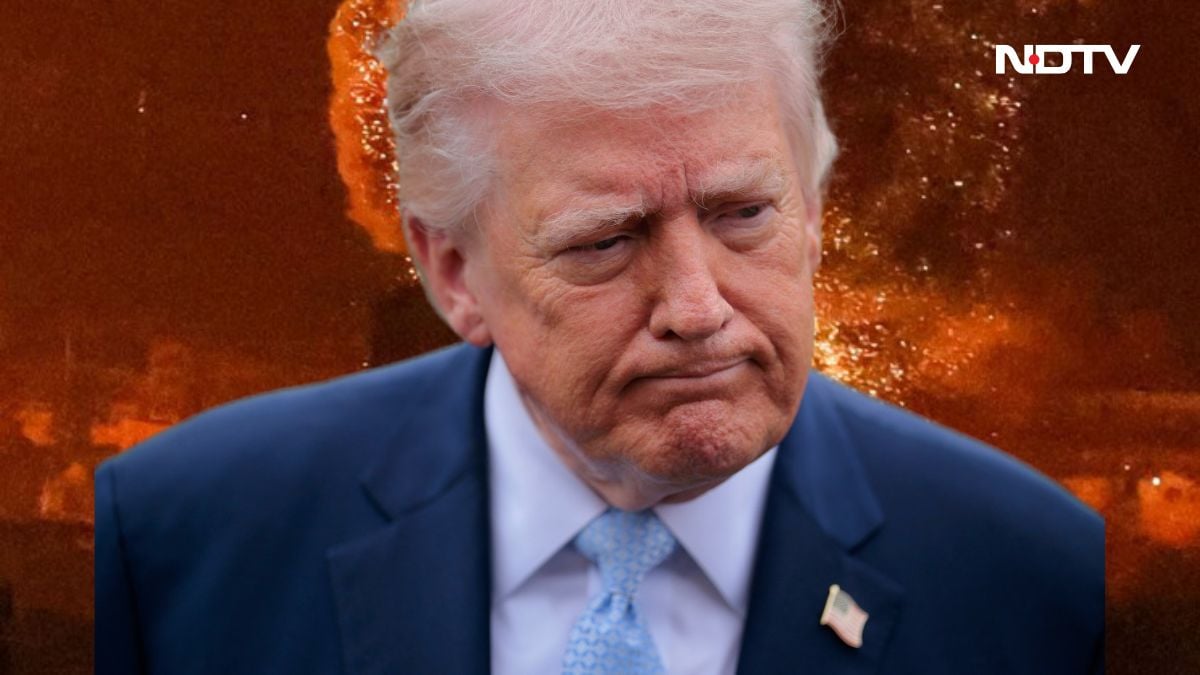
Donald Trump looked ready to blow up the Middle East peace process on Thursday afternoon. He jumped onto Truth Social and told the world that the United States would hit Iran "VERY HARD TONIGHT." He didn't stop there. He openly threatened to seize Kharg Island and take total control of Tehran's oil infrastructure.
Then, just a few hours later, he changed his mind.
The missile strikes were off. The bombers stayed on the tarmac. According to Trump, indirect talks suddenly reached the "highest level of Iranian leadership" and a massive regional peace deal was basically approved.
If your head is spinning, you aren't alone. This wild swing from the brink of total war to imminent peace is classic Trump theater, but it leaves a lot of people confused. Is this actual strategic genius, or is the White House just making it up as they go?
To understand what really went down, you have to look past the loud social media posts and look at the actual leverage points driving both Washington and Tehran.
The Strait of Hormuz Crisis and the Illusion of Control
The drama didn't start with a tweet. It started over the weekend when Iranian forces downed an American attack helicopter near the Strait of Hormuz. Both U.S. pilots were rescued safely, but the incident shattered a fragile, nominal ceasefire that had been hanging by a thread since April.
The U.S. military retaliated on Wednesday, firing 49 Tomahawk cruise missiles at Iranian air defense sites, communication hubs, and surveillance systems. Iran didn't back down. They fired right back, targeting 18 regional airbases where U.S. forces are stationed. The exchange forced Kuwait to shut its airspace and triggered air sirens in Bahrain.
This brings us to the core issue driving this entire conflict. Iran has spent months squeezing commercial shipping traffic through the Strait of Hormuz. It's a brutal economic chokehold. By blocking this narrow waterway, Tehran has managed to spike global energy prices and drive up the cost of basic food supplies worldwide.
Trump's big threat on Thursday morning was to seize Kharg Island. If you look at a map, Kharg Island is the absolute heart of Iran's economy. Roughly 90% of Iran's oil exports flow through that single terminal. Trump even compared a potential takeover to how the U.S. managed Venezuela's oil sector after capturing Nicolás Maduro earlier this year.
But comparing Iran to Venezuela is a massive strategic mistake.
Kharg Island sits just 33 kilometers off the Iranian mainland. Military analysts quickly pointed out that putting American boots on that island would turn U.S. soldiers into sitting ducks. The Iranian military could easily rain down drones, artillery, and anti-ship missiles from the coast. Even Trump admitted in a Fox News interview later that day that taking the island would be a "longer process" and openly questioned if America even has the stomach for it.
Behind the Sudden Truth Social Peace Deal
When Trump announced he was canceling the strikes because a breakthrough agreement was imminent, he listed a massive coalition of regional players. He claimed the U.S., Israel, Saudi Arabia, the UAE, Qatar, Turkey, Pakistan, and several others had already approved the final points of a transaction.
Don't buy into the hype just yet.
While Trump claims a signing ceremony will be announced shortly, the view from Tehran is much more cautious. Iranian Foreign Ministry spokesperson Esmail Baghaei stated flatly that Iran hasn't reached a final conclusion on any agreement. The semi-official Tasnim news agency told its readers to dismiss Trump's claims until Iran makes an official announcement.
So, what's holding up the ink? The real sticking point is cold, hard cash.
Indirect negotiations, quietly managed through Pakistani intermediaries, have been stuck on how to handle billions of dollars in frozen Iranian funds held abroad. Tehran wants immediate, direct access to that money as a condition for reopening the Strait of Hormuz and cooling down its nuclear program. Washington is holding out for a phased release. They want the cash strictly tied to humanitarian verification and verified compliance measures.
Furthermore, U.S. Treasury Secretary Scott Bessent has floated the idea that Iran needs to pay financial damages to Gulf allies for the shipping disruptions. That's a massive pill for Tehran to swallow.
This isn't the first time Trump has used extreme rhetorical whiplash as a negotiating tactic. Back in April, he warned Iran that "a whole civilization will die tonight" before pivoting to extend a temporary truce. He likes to create maximum panic to force the other side to compromise.
What Happens Next
The immediate threat of a massive Thursday night bombing campaign has passed, but the underlying fuse is still lit. The U.S. naval blockade on Iranian ports remains in full force. The Strait of Hormuz is still highly volatile.
If you're watching this situation closely, don't get distracted by the daily declarations of total victory or total war. Watch the shipping lanes and watch the banks. True progress won't be measured by late-night social media posts. It will be measured by whether commercial oil tankers can safely pass through the Gulf without getting harassed, and whether the U.S. Treasury blinks on releasing those frozen billions.
Keep your eyes on the official diplomatic channels in Islamabad and Doha over the next 48 hours. If Iranian officials actually validate the framework, we might see a real de-escalation. If they stay silent, expect the military options to end up right back on Trump's desk by next week.


