Political bubbles are comfortable places, right up until they pop.
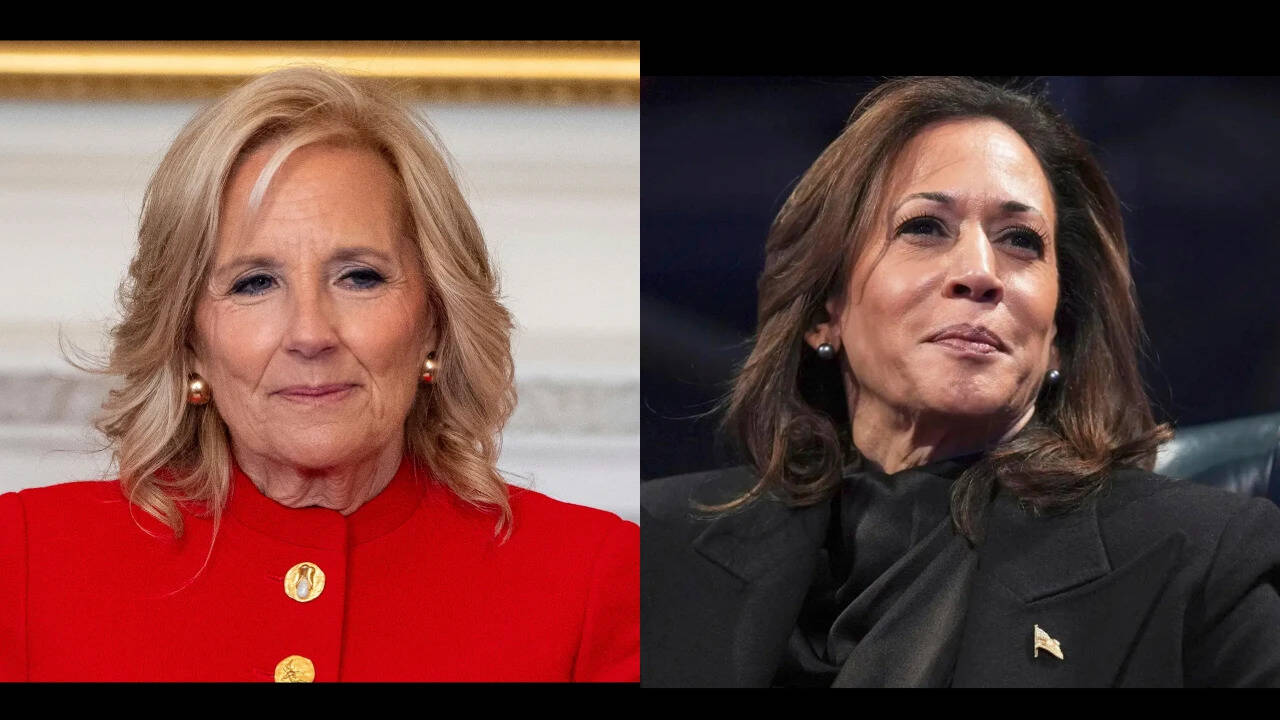
Jill Biden just gave the world a front-row seat to exactly how thick those bubbles can get. During a heavy-hitting media tour for her new memoir, Views from the East Wing, the former First Lady admitted she was completely shocked when Kamala Harris lost the 2024 presidential election to Donald Trump.
The revelation didn't go over smoothly. CBS News interviewer Rita Braver openly flinched at the statement.
"You were?" Braver shot back.
It was the question on everyone's mind. To the average voter watching inflation numbers, approval ratings, and a fractured electorate, the race was a coin flip at best and a looming disaster for Democrats at worst. Yet inside the White House, the shock was genuine. It exposes a massive disconnect that still plagues the party today.
Inside the East Wing Illusion
Jill Biden explained her disbelief by pointing to the surface-level metrics of political momentum. She talked about the crowd sizes. She pointed to the sudden burst of energy that took over the party after Joe Biden stepped aside.
"The excitement for her and the crowds and, I mean, how people rallied around her, and I truly felt that she was going to win," she said during the interview. "I was shocked she didn't win, because I think she would be a good president."
Relying on crowd enthusiasm is an old political trap. Big rallies feel like winning. They create an echo chamber where everyone in the room agrees, making the outside world disappear. But rallies don't measure the quiet voters sitting at home worrying about their grocery bills.
This confession comes right on the heels of a highly critical Democratic National Committee report. That internal autopsy largely blamed the Biden political operation for setting Harris up to fail. While the party tries to look forward, Jill's book tour is dragging everyone right back into the painful post-mortem of 2024.
The Glitching Hologram Debate Night
The memoir doesn't just look at the election loss. It goes back to the exact moment the Biden campaign began to unravel: the infamous June 2024 debate against Donald Trump.
For the first time, we're learning what it felt like inside the holding room as the president struggled on live television. Jill Biden writes that she watched her husband and felt an immediate sense of dread.
"Is this a stroke?" she wondered.
She describes the horror of watching the man she knew look bleary and confused. In a striking passage, she writes that it felt like watching an AI hologram of her husband, and that the hologram was glitching. She even admitted to wondering if he had been drugged.
The honesty here is brutal. It stands in stark contrast to the immediate spin the White House put out that night. Minutes after that debate ended, Jill took the stage at a rally and told a cheering crowd that Joe did a great job and answered every question. Now, she admits she was terrified.
When they walked off the debate set in Atlanta, Joe Biden didn't try to hide it either. He whispered a blunt confession to his wife: "I really f*cked up, didn't I?"
"Yes, you did," she replied.
What This Means for the Democratic Strategy
The Bidens' handling of that debate offers a crucial lesson in political communication. The campaign blamed a cold. They blamed travel fatigue. They refused to acknowledge what millions of people saw clearly with their own eyes.
Jill writes in her book that this was their biggest mistake. If you don't explain something well enough, the question never goes away. The lack of a satisfying explanation meant voters never got over it, forcing Joe Biden out of the race weeks later.
But the finger-pointing isn't stopping with the campaign strategy. The former First Lady also used her media appearances to defend some of the most controversial decisions made at the end of the presidency, including Joe Biden's absolute pardon of their son, Hunter Biden.
She claims the Justice Department changed after Trump won the election. She argues that Hunter was being unfairly targeted and faced a legal fate that no ordinary citizen would face for similar tax and gun offenses. Political strategists like Mary Anne Marsh note that voters have bigger problems on their minds right now, like the current cost of living, but these backward-looking revelations keep rewriting a history that many Democrats would rather forget.
The Reality Check
Political figures often get trapped by their own staff, their own press releases, and their own optimism. Jill Biden's shock at the 2024 election outcome proves that even the most seasoned political spouses can lose touch with the broader electorate.
If you want to understand why political predictions fail, stop looking at rally sizes. Step out of the social media feeds that only show your side winning.
The next time you find yourself certain of a political outcome, challenge your assumptions. Talk to people outside your social circle. Look at the hard economic data rather than the vibes of a campaign event. Breaking out of your own feedback loop is the only way to avoid being blindsided by reality.